Reviewed and last updated on November 7, 2026 by Awais Ahmed, Founder & Editor-in-Chief, Urban Scope News.
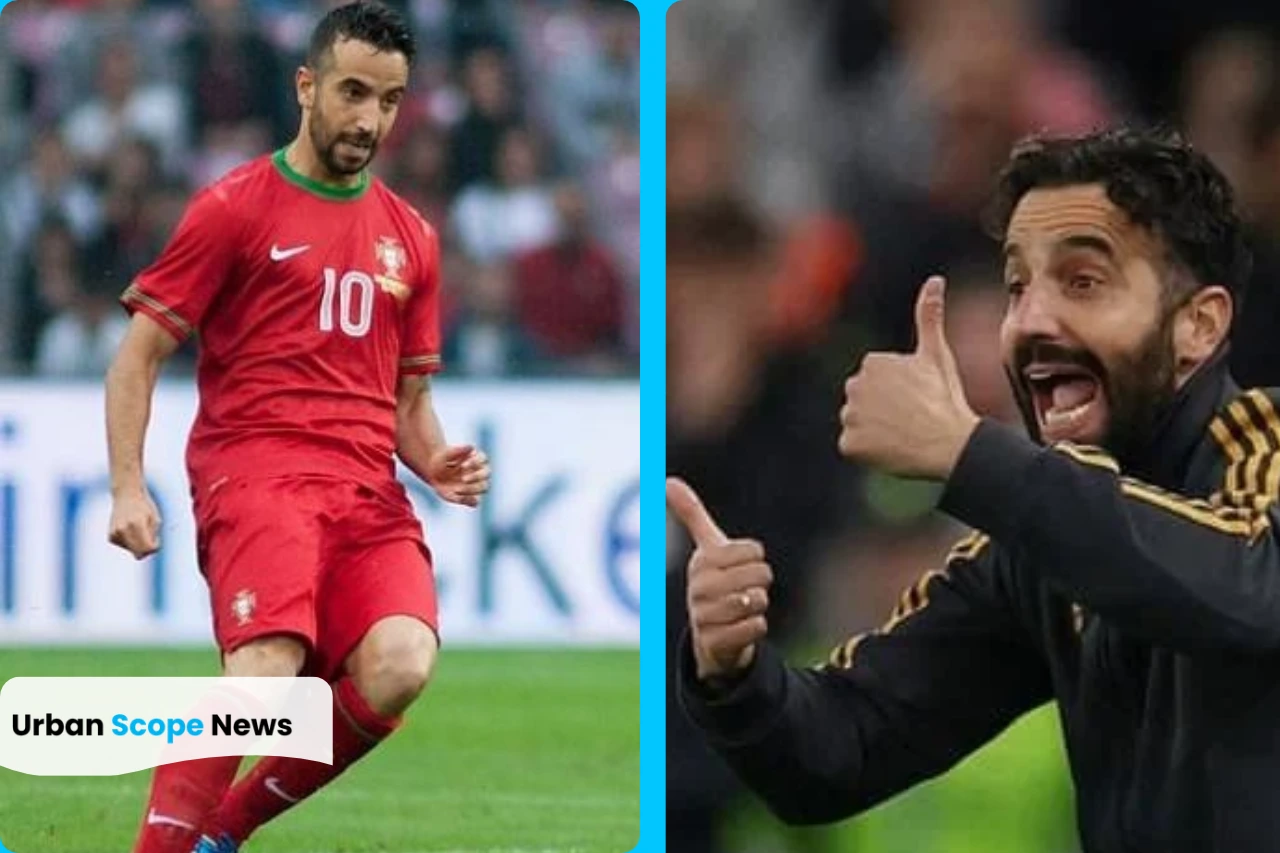
Ruben Amorim is a Portuguese football manager and former professional midfielder who, as of November 2026, is head coach of AC Milan. Born in Lisbon in January 1985, he first became a household name in football by ending a 19-year wait for a league title at Sporting CP. He then took charge of Manchester United in November 2024, left the club in January 2026 and moved to Italy that summer.
His story is an unusual one. He was a dependable midfielder rather than a superstar, yet he moved into coaching quickly, studied the job formally at university and built his reputation on a distinctive three-man defence. This guide follows his journey in order, from his playing days to his managerial record, and explains what makes his approach so closely watched.
Ruben Amorim at a glance
| Detail | Information |
|---|---|
| Full name | Rúben Filipe Marques Amorim |
| Born | January 1985, Lisbon, Portugal |
| Age | 41 (as of November 2026) |
| Playing position | Midfielder |
| Playing clubs | Belenenses, Benfica, Braga (loan), Al-Wakrah |
| Managerial clubs | Casa Pia, Braga, Sporting CP, Manchester United, AC Milan |
| Current role | Head coach of AC Milan (since June 2026) |
| Signature formation | 3-4-2-1 |
Early life and playing career
Amorim grew up in Lisbon and came through the youth ranks of Benfica and Belenenses, two clubs that would shape his career. He made his top-flight debut for Belenenses on 14 December 2003 in a 2-0 win over Alverca and went on to spend five seasons at the club, becoming a regular in midfield.
In 2008 he returned to Benfica, where he was reunited with the coach Jorge Jesus, a figure he has since described as a major influence on how he thinks about the game. At Benfica he won three league titles, along with a Portuguese Cup, five League Cups and a Super Cup. He also had a spell on loan at Braga and later played in Qatar for Al-Wakrah, and he won 14 caps for Portugal, appearing at the 2010 and 2014 World Cups.
His playing days came to an end in April 2017, when he terminated his contract with Benfica at the age of 32 after more than a year without regular football. Rather than leave the sport, he began preparing for life on the touchline.
Studying coaching and the role of psychology
One of the more distinctive parts of Amorim’s path is how seriously he treated the education side of coaching. In 2017 he enrolled on a postgraduate course in high-performance football coaching at the University of Lisbon’s Faculty of Human Kinetics, a programme in which José Mourinho was involved as a coordinator and lecturer. Tutors from the course have said he was one of the strongest students on it, and he completed a short placement at Manchester United’s training base as part of his studies.
He has also spoken openly about seeing a psychologist as his playing career wound down and he prepared to become a coach. In a BBC interview given soon after his appointment at Manchester United, he explained that he saw this as a sensible way to understand himself before leading others, and it fits the emotional, relationship-driven style of management he is now known for.
From Casa Pia to Braga: the first steps as a manager
Amorim’s coaching career began in 2018 at Casa Pia, a Lisbon club then playing in Portugal’s third tier. The spell was short, and he left after being sanctioned for not yet holding the required coaching licence, an early setback that he put behind him quickly.
In 2019 he joined Braga, initially with the reserve side. After about three months he was promoted to the first team, and in January 2020 he won his first trophy by beating Porto 1-0 in the Portuguese League Cup final. Beating one of the country’s biggest clubs within weeks of taking over put him firmly on the radar of the capital’s bigger sides.
Sporting CP: the job that made his name
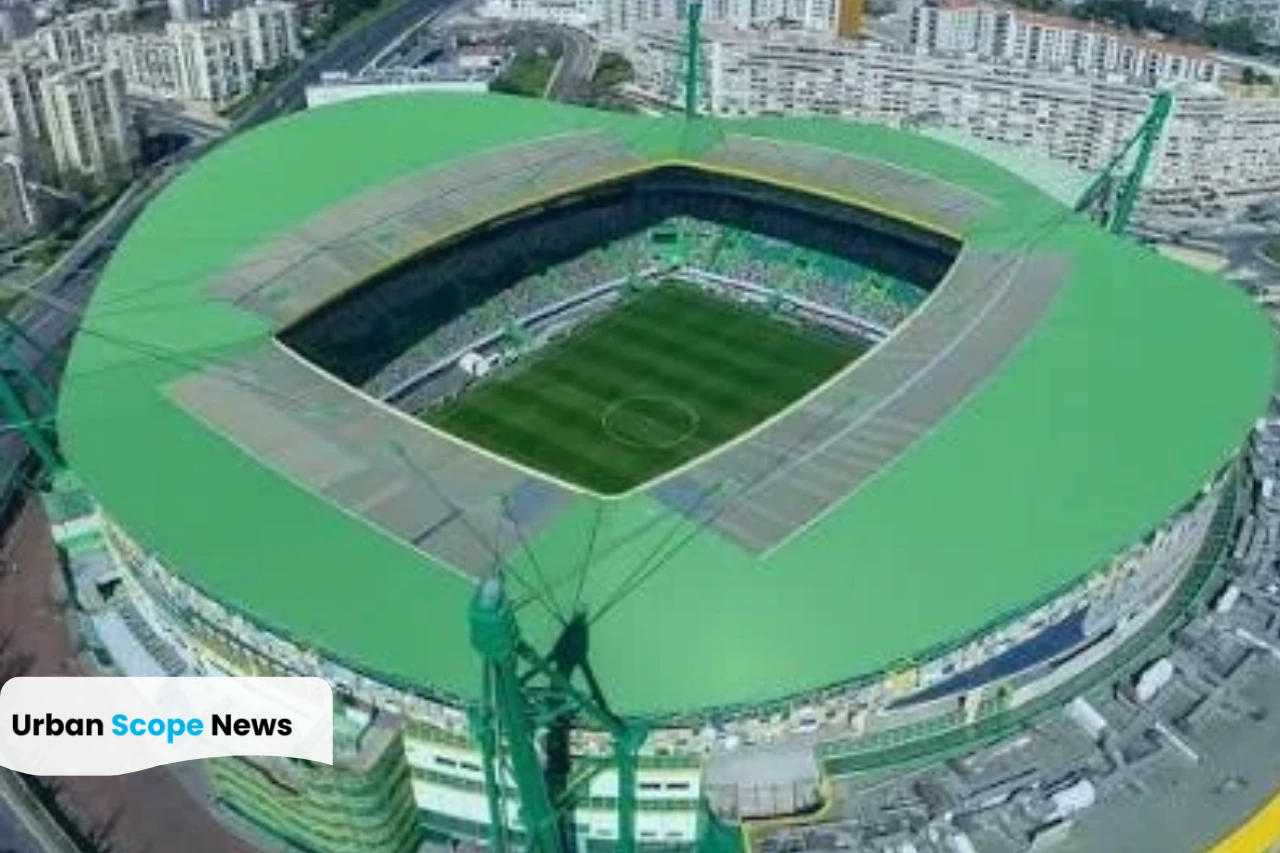
Sporting appointed Amorim in March 2020, and the club had not won the Portuguese league since 2002. In 2020-21 he ended that drought, guiding Sporting to the title in his first full season and being named the league’s best coach. He added League Cups in 2020-21 and 2021-22 and a Super Cup in 2021, and in 2023-24 he won a second league title.
The Sporting side he built was known for organised pressing, quick wing-back play and a willingness to trust young players from the academy. Players such as Nuno Mendes and Matheus Nunes were among the academy products who developed under him. It was not a perfect run, and Sporting lost the 2024 Portuguese Cup final to Porto 2-1 after extra time, but by the autumn of that year Amorim was one of the most sought-after coaches in European football. He left Sporting in November 2024 for Manchester United.
Ruben Amorim at Manchester United
Manchester United named Amorim as the successor to Erik ten Hag in November 2024, and his first Premier League match in charge came on 24 November. He inherited a squad assembled for a different style of play, and he had arrived in the middle of a season in which United would finish 15th with 42 points, their lowest Premier League finish.
The highlight of his tenure came in May 2025, when United reached the Europa League final in Bilbao. They lost 1-0 to Tottenham Hotspur, missing out on both a trophy and a route back into the Champions League.
The following season did not bring the stability the club wanted. On 4 January 2026, after a 1-1 draw at Leeds United, Amorim spoke publicly about wanting to work as a manager rather than simply a head coach, and about his relationship with those above him. Manchester United dismissed him the next day with the team sixth in the table, and the club said it had reluctantly decided that a change was needed to give the team the best chance of finishing as high as possible.
The league’s published figures show he took 58 points from 47 Premier League matches, with 15 wins, 13 draws and 19 defeats, a win rate of about 32 per cent. Across all competitions he oversaw 63 games, winning 24, drawing 18 and losing 21. He left a difficult legacy in the statistics, although he has since said he was proud to have been the club’s head coach.
Moving to AC Milan
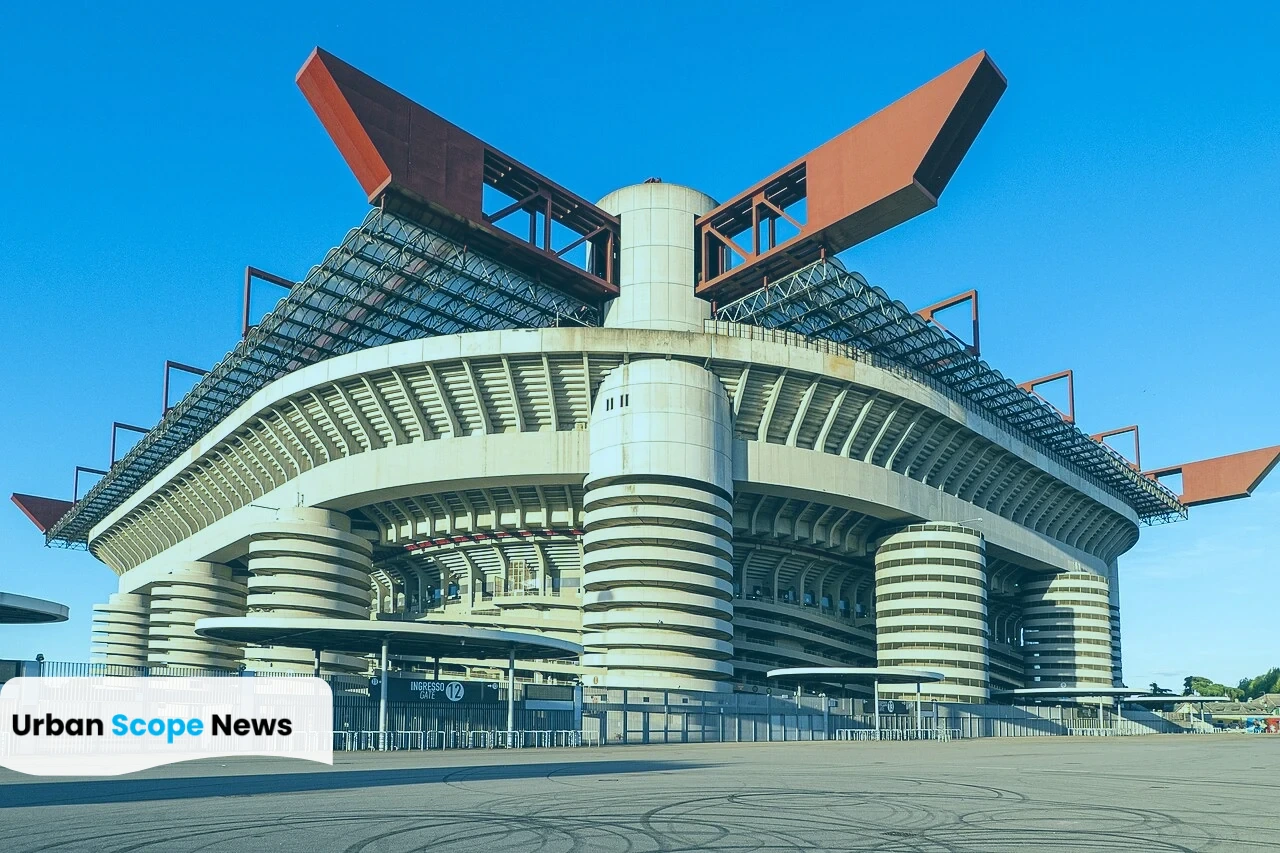
AC Milan confirmed his appointment on 16 June 2026, with the club announcing him as head coach of the men’s first team. He replaced Massimiliano Allegri, who left after Milan finished fifth in Serie A and missed out on the Champions League for a second consecutive season. Amorim said that coaching Milan had long been one of his career ambitions, and the club’s owners pointed to his record of developing young players and his preference for high-pressing, attacking football with quick transitions.
His Serie A debut came on 23 August 2026 with a 2-1 win away at Torino. As of early November 2026 he remains in charge, and Milan are also playing in the Europa League this season. Because the campaign is still under way, any current standings or form figures are best checked against Milan’s official channels rather than relied on from a profile like this one.
Understanding the 3-4-2-1 formation
Amorim is most closely associated with a 3-4-2-1 formation. It uses three central defenders, two wing-backs, two central midfielders, two attacking midfielders and a lone striker. Premier League data reported at the time of his departure showed that he started with a three-man defence in 45 of his 47 league matches at United, which shows how central the system is to his thinking.
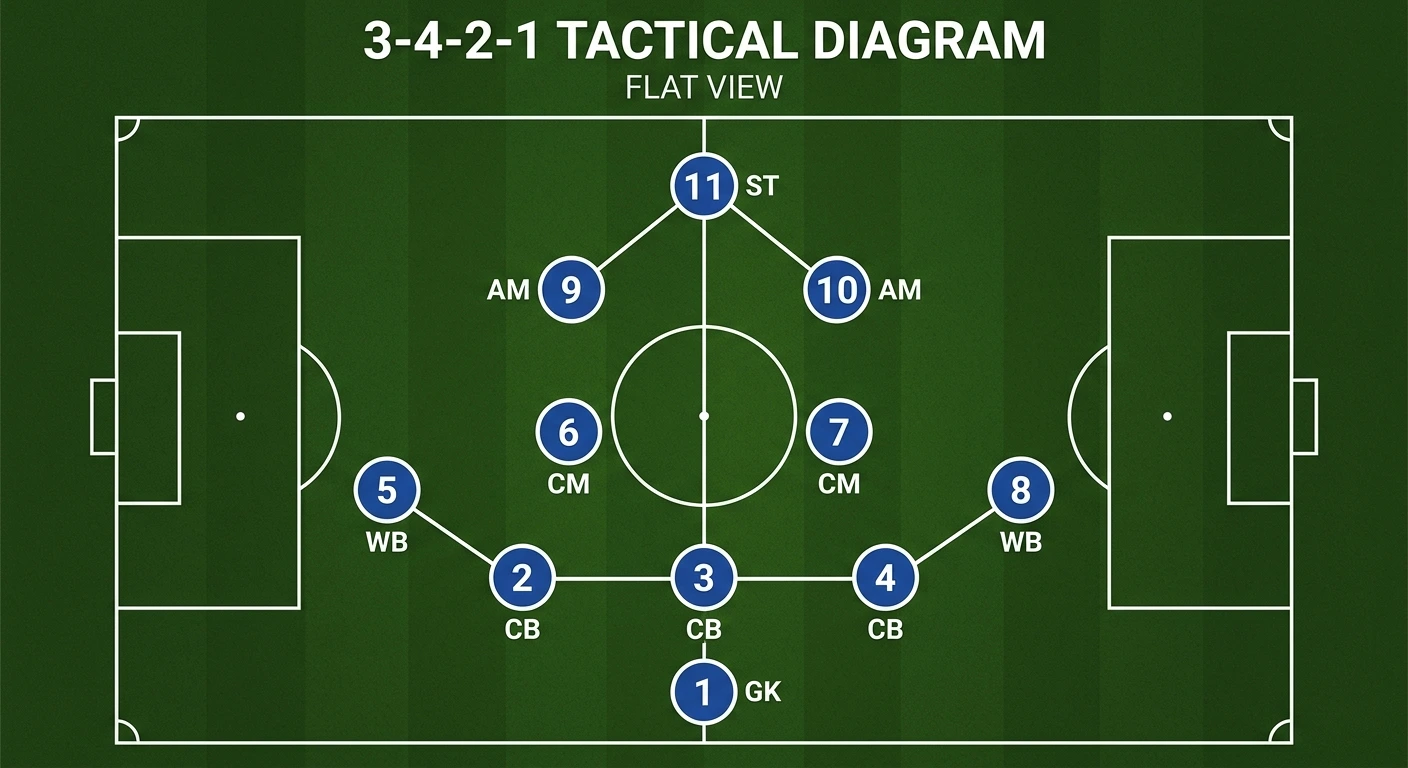
In possession, the three centre-backs help build play from deep, while the wing-backs push high and wide to stretch the opposition. The two players in the attacking midfield positions work in the spaces between the opposing midfield and defence, which gives the striker support. Without the ball, the wing-backs drop back to form a line of five, and the team looks to press as a unit and win the ball back in areas where a quick forward pass can hurt the opponent.
The system asks a lot of particular players, especially the wing-backs, who need the stamina to cover the whole flank, and the central midfielders, who must hold their positions. That is one reason it can take time to work when a coach inherits a squad built for another shape, as happened at Old Trafford.
Leadership style and influences
Away from tactics, Amorim is known for being emotional and open. He has said he does not treat every player the same way, and that managing a dressing room means understanding different personalities. That belief runs alongside a firm expectation that the team’s standards and tactical responsibilities apply to everyone.
His influences are easy to trace. Jorge Jesus shaped his early ideas about intensity and structure, the University of Lisbon course exposed him to Mourinho’s approach to preparation, and his work with a psychologist has fed into his interest in the human side of management.
Family and private life
Amorim keeps his private life largely out of the media. He has spoken in interviews about the importance of close relationships, but he rarely discusses his family in public, and reliable details about them are limited. For that reason, this profile focuses on his career rather than guesswork about his personal life.
Major achievements and honours
As a player, Amorim won three Primeira Liga titles with Benfica, along with a Portuguese Cup, five League Cups and a Super Cup.
As a manager, his honours so far are:
- Portuguese League Cup with Braga (2019-20).
- Two Primeira Liga titles with Sporting (2020-21 and 2023-24).
- Two Portuguese League Cups with Sporting (2020-21 and 2021-22).
- One Portuguese Super Cup with Sporting (2021).
- Europa League runner-up with Manchester United (2024-25).
What makes his story worth following
Three things stand out. First, he was not a famous player, and his reputation was earned almost entirely from the dugout. Second, he invested in learning the job properly, which is still unusual for a former player. Third, his career offers a useful lesson about how hard it can be to move a tactical idea from one club to another, since the same 3-4-2-1 that won titles in Lisbon struggled to deliver consistent results in Manchester.
How he adapts that approach in Serie A will decide the next chapter of his story.
Frequently asked questions about Ruben Amorim
Who is Ruben Amorim?
Ruben Amorim is a Portuguese football manager and former midfielder. He is best known for winning two league titles with Sporting CP, managing Manchester United from November 2024 to January 2026 and becoming head coach of AC Milan in June 2026.
How old is Ruben Amorim?
He was born in January 1985 and is 41 as of November 2026. Sources differ on the exact day, with AC Milan listing 26 January and Manchester United and several reference sites listing 27 January.
Where was Ruben Amorim born?
He was born in Lisbon, Portugal, and began his football development in the youth systems of Benfica and Belenenses.
Which club does Ruben Amorim manage now?
As of November 2026 he is head coach of AC Milan’s men’s first team, a job he started in June 2026.
Why did Manchester United sack Ruben Amorim?
United dismissed him on 5 January 2026 with the team sixth in the Premier League, saying the club’s leadership felt a change was needed. The decision followed inconsistent results and critical public comments from Amorim after a 1-1 draw at Leeds United.
What formation does Ruben Amorim use?
He is best known for a 3-4-2-1, with three central defenders, two wing-backs, two central midfielders, two attacking midfielders and one striker.
Did Ruben Amorim play professional football?
Yes. He played as a midfielder for Belenenses, Benfica, Braga (on loan) and Al-Wakrah, and he won 14 caps for Portugal, including appearances at the 2010 and 2014 World Cups.
What trophies has Ruben Amorim won as a manager?
He has won the Portuguese League Cup with Braga, two Primeira Liga titles, two League Cups and a Super Cup with Sporting, and he reached the 2025 Europa League final with Manchester United.