Reviewed and last updated on November 6, 2026 by Awais Ahmed, Founder & Editor-in-Chief, Urban Scope News.
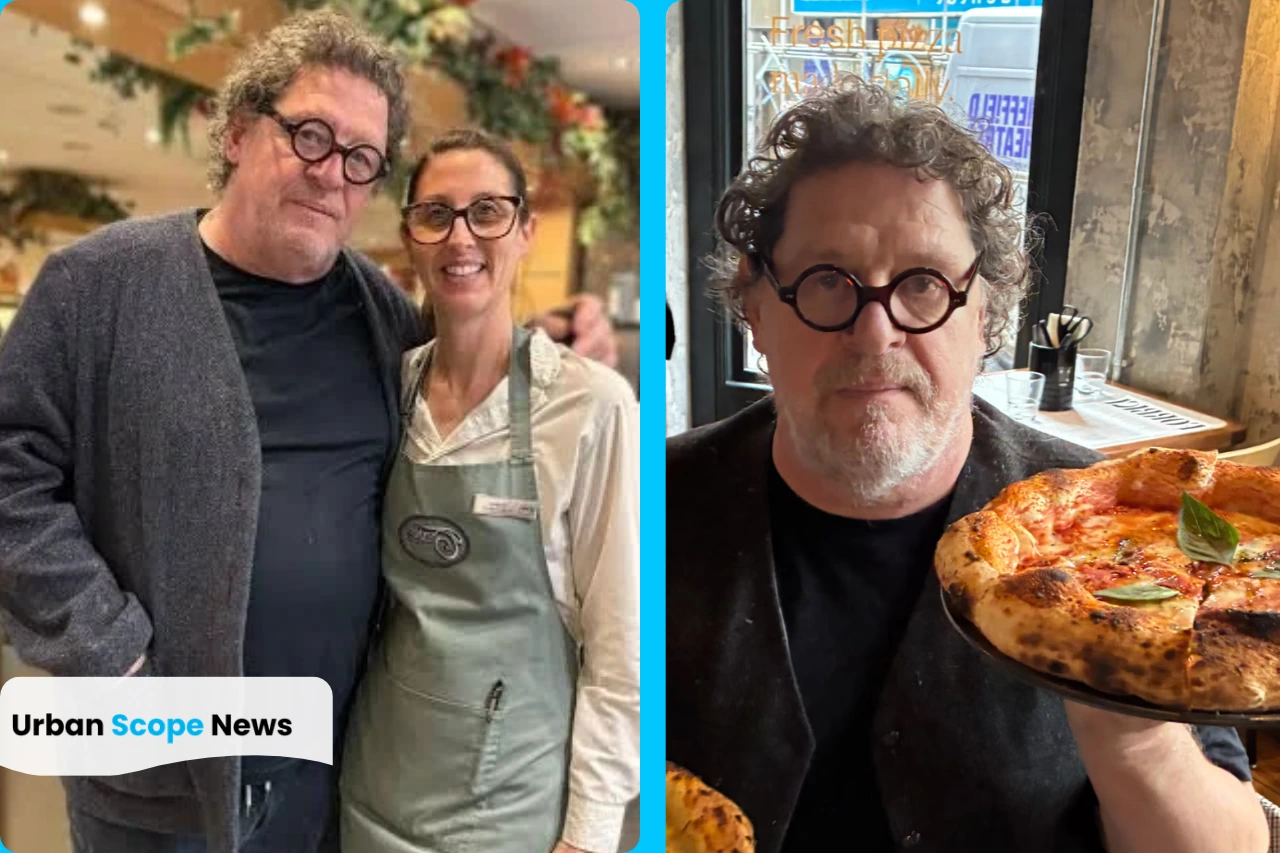
Marco Pierre White is a British chef, restaurateur and television presenter who became the first British chef to win three Michelin stars, earning the distinction in 1995 at the age of 33. At that point he was the youngest chef ever to hold three stars. Born in Leeds on 11 December 1961, he trained in demanding kitchens in Yorkshire and London, opened his first restaurant at 24 and went on to train or work alongside a generation of cooks that included Gordon Ramsay. In 1999 he stepped away from professional cooking and handed back his stars, a decision that still defines how he is remembered.
His story has come back into view this month, because the BBC has begun showing a three-part series that reunites him with Ramsay and Heston Blumenthal. Whether you are meeting his name for the first time or returning to it, the sections below follow the full arc: a difficult childhood, a hard apprenticeship, the restaurants that made his name, the rivalry that made headlines and the career he built after leaving the stove.
Early life in Leeds and the loss of his mother
Marco Pierre White was born in Leeds, the third of four sons of Frank White, a chef, and Maria-Rosa Gallina, who had come from Italy to learn English. His mother died suddenly when he was six, shortly after the birth of her youngest son, and he has spoken many times about how deeply that loss shaped him. His father, who had left school at 13 to work in kitchens, expected his boys to earn their keep. White has recalled doing a milk round before school each morning, which left him exhausted long before lessons began.
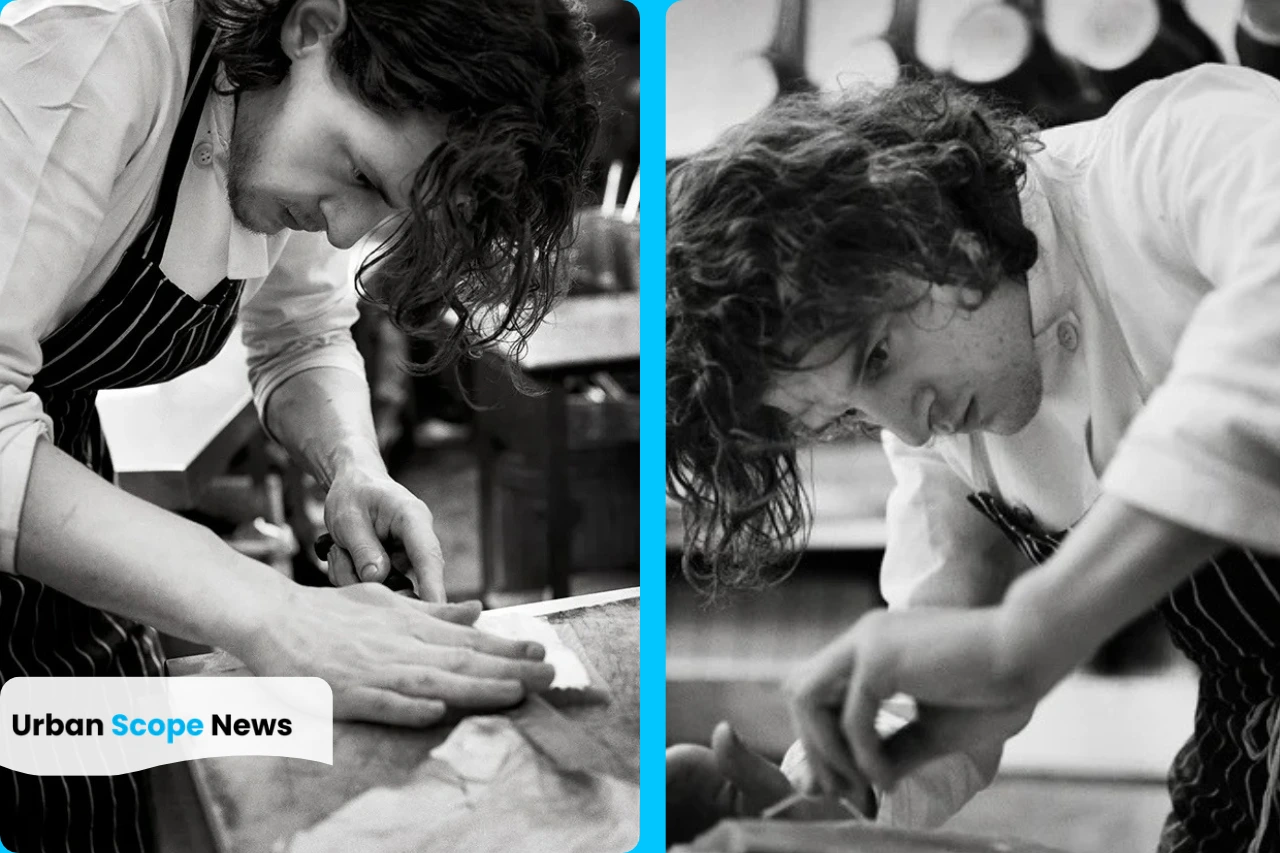
He left Allerton High School in Leeds without any qualifications and decided to follow his father into professional cooking. There was nothing glamorous about the start. It meant early mornings, junior jobs and a long climb through the ranks of hotel and restaurant kitchens.
How Marco Pierre White trained: from Harrogate to Le Gavroche
White began his training in the kitchens of the Hotel St George in Harrogate and then the Box Tree in Ilkley, both in Yorkshire. By his own account, set out in his personal biography, he arrived in London at 16 with just over seven pounds, a box of books and a bag of clothes. He took a place as a commis, the most junior rank in a classical kitchen brigade, at Le Gavroche under Albert and Michel Roux, where French technique was drilled into every cook who passed through.
From there he worked under Pierre Koffmann at La Tante Claire, Raymond Blanc at Le Manoir aux Quat’Saisons and Nico Ladenis at Chez Nico. It was an apprenticeship across some of the most respected kitchens of the period, and it gave him a grounding in sauces, stocks and precision that he later passed on to others. Albert Roux said in 2014 that White was the most gifted person he had ever trained, even though the two men had long since fallen out.
Harveys: the restaurant that made his name
In 1987, aged 24, White became head chef and joint owner of Harveys, a small restaurant on Wandsworth Common in south-west London. The site is now home to Chez Bruce. Harveys won its first Michelin star in 1988 and a second in 1990, and it quickly became one of the most talked-about restaurants in London. The cooking was classical and exacting, the room was intimate, and the kitchen had a fearsome reputation for pressure and for the temper of its chef-patron.
For a cook still in his twenties, the rise was extraordinary. It also set the template for what later became known as the celebrity chef. White has often been described as the first of that type, as well as the enfant terrible of the restaurant world, a label that fitted his looks, his confidence and his refusal to play by the polite rules of the dining room.
Three Michelin stars at 33
To chase the third star, White sold his share of Harveys to his business partner, Nigel Platts-Martin, and took over the dining room of the Hyde Park Hotel in London, now the Mandarin Oriental Hyde Park, where he opened The Restaurant Marco Pierre White. Michelin awarded the third star in January 1995. At 33, he was the first British chef, and the youngest chef up to that point, to hold the guide’s highest rating. The age record stood until 2002, when the Italian chef Massimiliano Alajmo won three stars at 28.
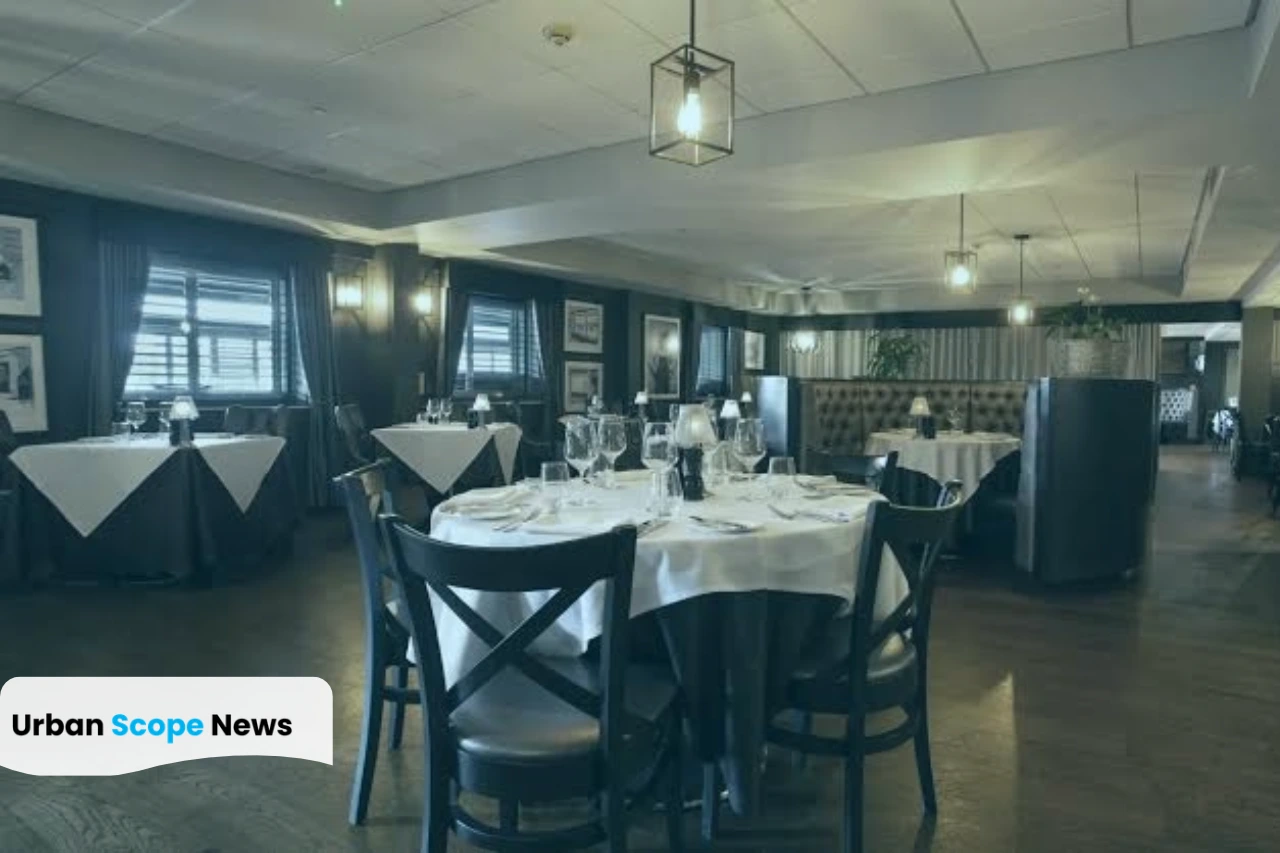
It is worth remembering that Michelin awards its stars to restaurants rather than to individual chefs. White’s three stars belonged to the restaurant in the Hyde Park Hotel, and he was the chef who led its kitchen. Even so, the achievement was personal in a way few others have been. It showed that a chef trained largely in the British Isles and in French kitchens could reach the top of an international ranking that had long been dominated by French names.
Why did Marco Pierre White give up his Michelin stars?
The restaurant later moved to the Oak Room at Le Méridien Piccadilly, where White continued to cook until the end of the decade. In November 1999 he told Michelin he was giving up cooking and asked not to be listed in its next guide. His last paid service took place at the Oak Room on 23 December that year.
His explanation has been consistent over the years. He has said that winning three stars felt like the end of the race, and that he had come to resent being judged by people who knew less about cooking than he did. Many accounts describe this as handing back his stars. In practice, Michelin decides what appears in its own guide, so the phrase describes his decision to walk away from the competition rather than a formal return of an award. What matters is that he left at the very top, at 38, with nothing left to prove on the pass.
Marco Pierre White and Gordon Ramsay
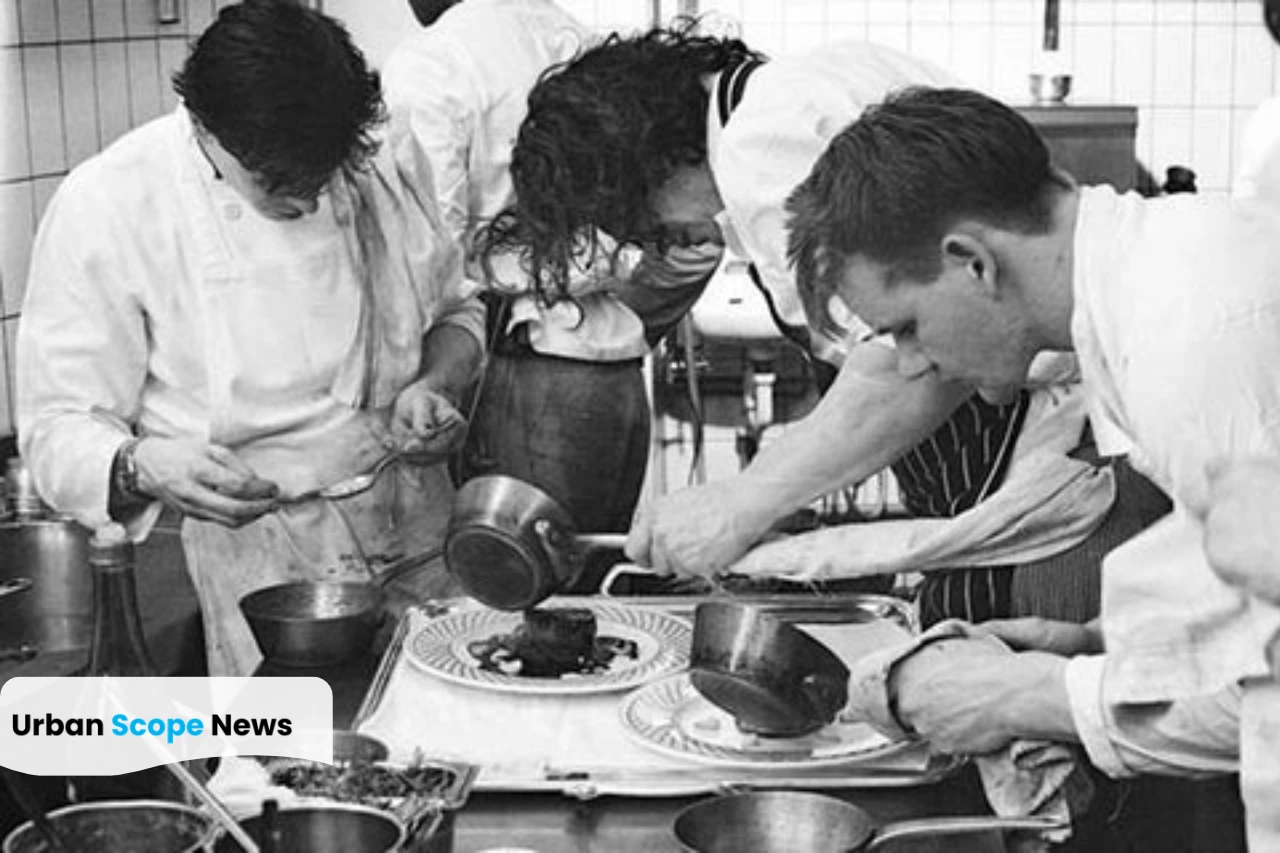
Gordon Ramsay arrived at Harveys in 1988 and worked there for about three years. White discouraged him from taking a job in Paris and steered him towards Le Gavroche instead, a piece of advice Ramsay has acknowledged. Ramsay’s 2006 memoir, Humble Pie, painted a vivid picture of a brutal kitchen and a boss who could reduce a young cook to tears. White has replied over the years that Ramsay worked hard and was a pleasure to teach.
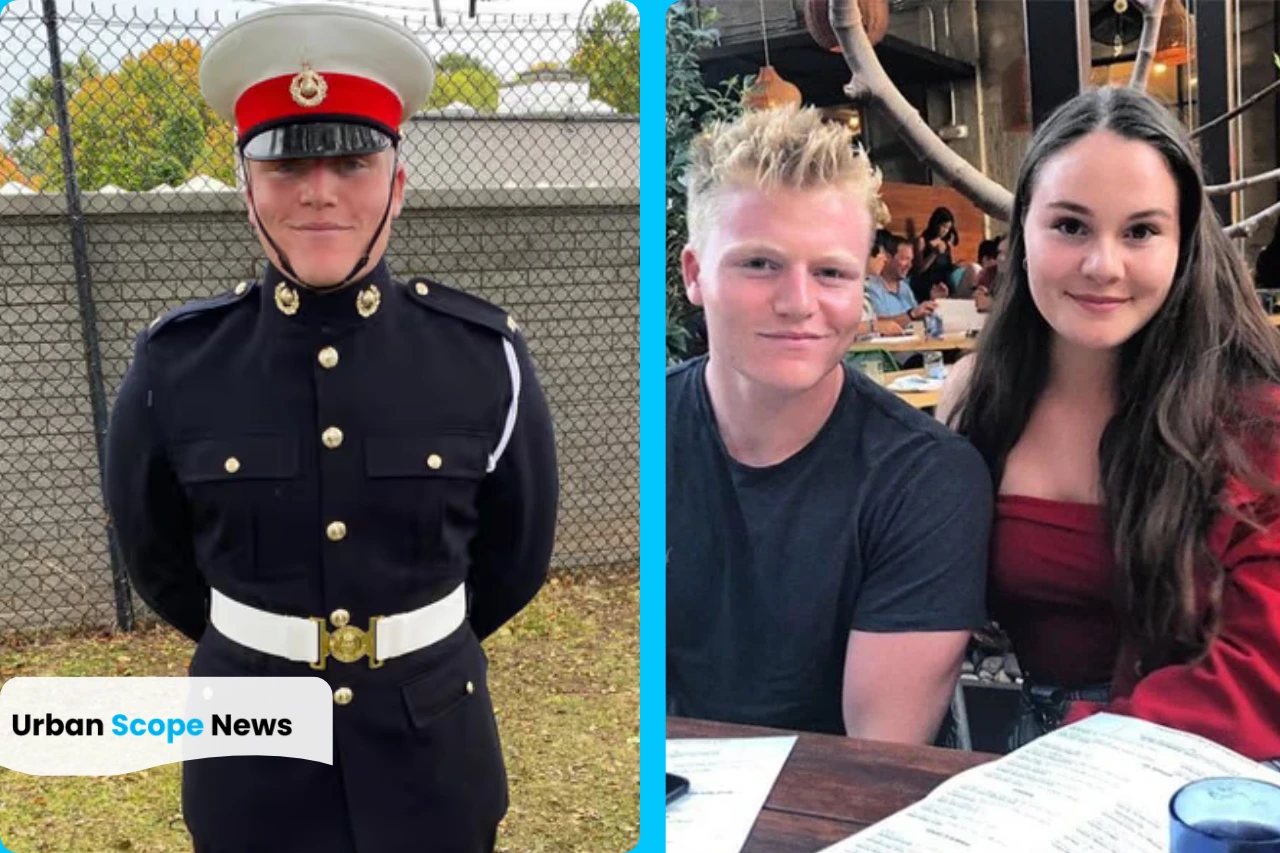
The friendship eventually collapsed into one of the best-known feuds in restaurant history, with a falling out that lasted for years. In 2026, White said on a podcast that the two had made their peace. Ramsay’s family has attracted plenty of public interest in its own right, including his eldest son Jack and his decision to join the Royal Marines rather than follow his father into restaurants and television.
The other chefs who passed through his kitchens
Harveys and White’s later restaurants were a training ground well beyond Ramsay. Phil Howard, later the chef behind The Square, Stephen Terry, who went on to open The Hardwick, and Éric Chavot all worked in his kitchens, and Curtis Stone and Shannon Bennett are also credited as chefs he trained. White’s own biography goes further and names Heston Blumenthal and Jason Atherton among the cooks and teams of those years.
Blumenthal’s story took a very different road from White’s. His restaurant, The Fat Duck, is one of the small number of British restaurants to hold three Michelin stars today, and he has become as famous for his scientific approach to food as White was for his classical discipline. That contrast is part of what makes the pair, together with Ramsay, such natural subjects for a documentary.
White Heat and The Devil in the Kitchen
White reached readers as well as diners. His first cookbook, White Heat, was published in 1990 and became one of the most talked-about chef books of its time. It combined recipes with a portrait of life inside a professional kitchen, and it featured striking photographs by Bob Carlos Clarke. Some of Carlos Clarke’s pictures of White now sit alongside an oil painting by Alan Parker among the portraits of White held by the National Portrait Gallery.
His autobiography, written with James Steen, first appeared as White Slave and was later reissued as The Devil in the Kitchen. It covers his childhood, the death of his mother, his years of training and the ambition that drove him. Readers who want the story in his own voice will find it a candid and sometimes uncomfortable read.
Television and the restaurant business after the kitchen
Television gave White a second public life. In 2007 he took over as head chef on the ITV series Hell’s Kitchen, the format created by Ramsay, and he returned for a later series in 2009. He appeared on MasterChef Australia as a guest and as a judge on the spin-off The Professionals, and in 2017 he hosted Hell’s Kitchen Australia.
In business, he has worked with Black and White Hospitality since 2013. The company holds the franchise rights to restaurant brands carrying his name, including Marco Pierre White Steakhouse Bar & Grill, Mr White’s English Chophouse, Wheeler’s of St James’s and Marco’s New York Italian. He has described the idea behind the steakhouses as affordable glamour, which is a long way from the three-star dining room he left behind in 1999 but is consistent with his belief that good food and a sense of occasion should not be reserved for the few.
Private life
White has been married three times, to Alex McArthur, Lisa Butcher and Matilde Conejero, and he has children from his marriages. Beyond the basic facts, accounts of his family life vary from one publication to the next, so this profile sticks to what is well established. No verified figure for his wealth has been published either, and the net worth numbers that circulate online are estimates rather than reported fact.
What is Marco Pierre White doing now?
White remains a visible figure in hospitality and broadcasting. In November 2026 the BBC began showing The Rise of the Rockstar Chef, a three-part series made by Studio Ramsay Global. It follows the rise of White, Ramsay and Blumenthal and brings them together on screen for the first time in more than a decade, with food critics and former kitchen staff recalling the rivalries and feuds of the era. It is likely to introduce his story to a new audience, and to send many viewers looking for the full background.
Questions people ask about Marco Pierre White
How old is Marco Pierre White?
He was born on 11 December 1961, which makes him 64 in November 2026. He turns 65 on 11 December 2026.
How many Michelin stars did Marco Pierre White win?
He won three. Harveys earned two stars under him, in 1988 and 1990, and The Restaurant Marco Pierre White at the Hyde Park Hotel earned the third in 1995.
Did Marco Pierre White train Gordon Ramsay?
Yes. Ramsay worked under him at Harveys from 1988 for about three years, and White is widely described as his first great mentor, even though the two later fell out.
Why did Marco Pierre White retire from cooking?
He has said that winning three stars felt like the end of the race and that he no longer wanted to be judged by people who knew less about cooking than he did. He cooked his last paid service on 23 December 1999.
Does Marco Pierre White still cook professionally?
He stopped working in professional restaurant kitchens in 1999. Since then he has built a career as a restaurateur, author and television presenter.
Final thoughts
Marco Pierre White’s career is a short, sharp chapter in the history of modern cooking. In little more than a decade he went from a milk-round boy in Leeds to the youngest chef ever to hold three Michelin stars, then walked away while still at the top. His greater legacy may lie less in the stars themselves than in the chefs he trained and in the idea he helped establish, that a chef could be a serious artist and a public figure at the same time. Today, with a new documentary revisiting his rivalries and his influence, that legacy is being weighed again.