Reviewed and last updated on November 3, 2026 by Awais Ahmed, Founder & Editor-in-Chief, Urban Scope News.
Cellulogia is a name some beauty clinics and websites use for vacuum-assisted massage, a non-invasive treatment that combines suction with rolling or kneading movements to make the skin look smoother. It may soften the look of cellulite for a short time, but research does not show that it removes cellulite or body fat permanently.
The word appears in treatment menus, salon adverts and wellness articles, usually alongside promises of smoother thighs and a firmer feel. Because it is not a standard medical term, it can mean different things depending on who is using it. This guide explains what the name usually refers to, how the treatment works, what the research says, which risks are worth knowing about and what to ask before you pay for a session.
What Is Cellulogia?
Cellulogia is a commercial or descriptive label, not a medical diagnosis and not the name of one particular machine. Providers tend to use it for treatments that apply controlled suction to the skin while rollers or a moving treatment head knead the tissue underneath. The same family of treatments is also sold as vacuum massage, vacuum therapy or mechanical massage.
The nearest branded relative is endermologie, a mechanical massage technology associated with the company LPG. Endermologie has been studied more than most treatments of this type, which is why it appears so often in medical discussions of vacuum-assisted massage. Cellulogia may describe something very similar, or it may describe a different device with different settings. That uncertainty matters, because research on one machine cannot be assumed to apply to another.
How Does Cellulogia Work?
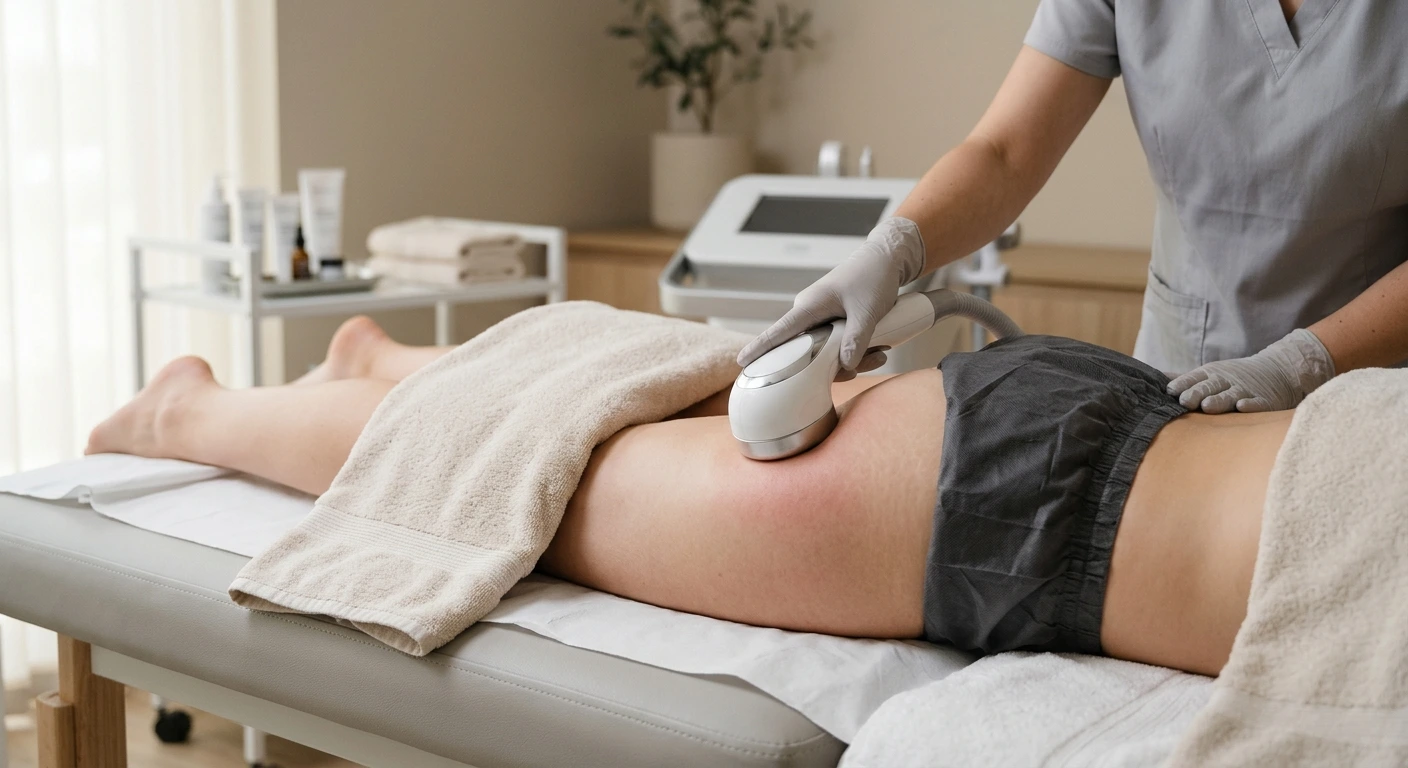
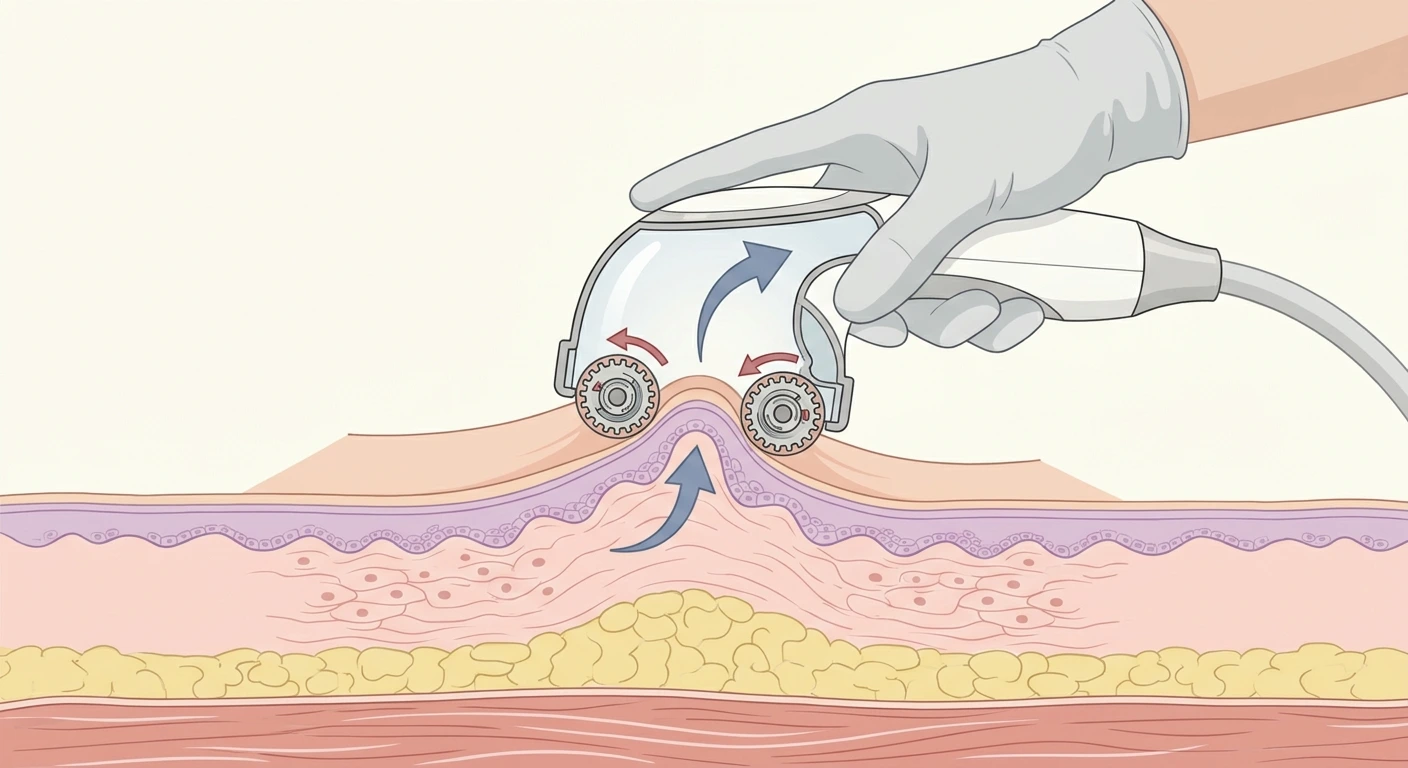
During a typical vacuum massage session, a handpiece is moved slowly across an area such as the thighs, buttocks, hips or abdomen. Gentle negative pressure draws a fold of skin into the head of the device, and rollers or other moving parts knead that fold as the handpiece glides along. The result is a repeated cycle of lifting, rolling and releasing.
The proposed explanation is that this movement works a little like a lymphatic massage. The US Food and Drug Administration describes the idea that pressure and vibration move extra fluid out from between fat cells, which may improve the bumpy look of cellulite, and that stretching the skin might also encourage collagen formation. These are described as thought-to-work mechanisms rather than proven outcomes. The agency states plainly that massaging the skin and fat with a rolling or vibrating handpiece may temporarily improve the appearance of cellulite, and the word temporarily is doing real work in that sentence.
Some machines add other technologies to the suction and rolling, such as radiofrequency heating or infrared light. These combination devices are a separate category with their own risks, and they should not be lumped in with suction-only massage.
What Causes Cellulite in the First Place?
Cellulite is the dimpled, uneven look of skin that most often appears on the thighs, buttocks, hips and lower abdomen. It is extremely common. Estimates suggest it affects most women after puberty, and it is seen less often in men. It is a cosmetic feature rather than a disease.
Beneath the skin, fibrous bands called septae connect the skin to deeper tissue. When those bands pull the skin downwards while pockets of fat push upwards between them, the surface takes on a dimpled look. Genetics, hormones (oestrogen in particular), age, skin thickness and body composition all influence how visible it is.
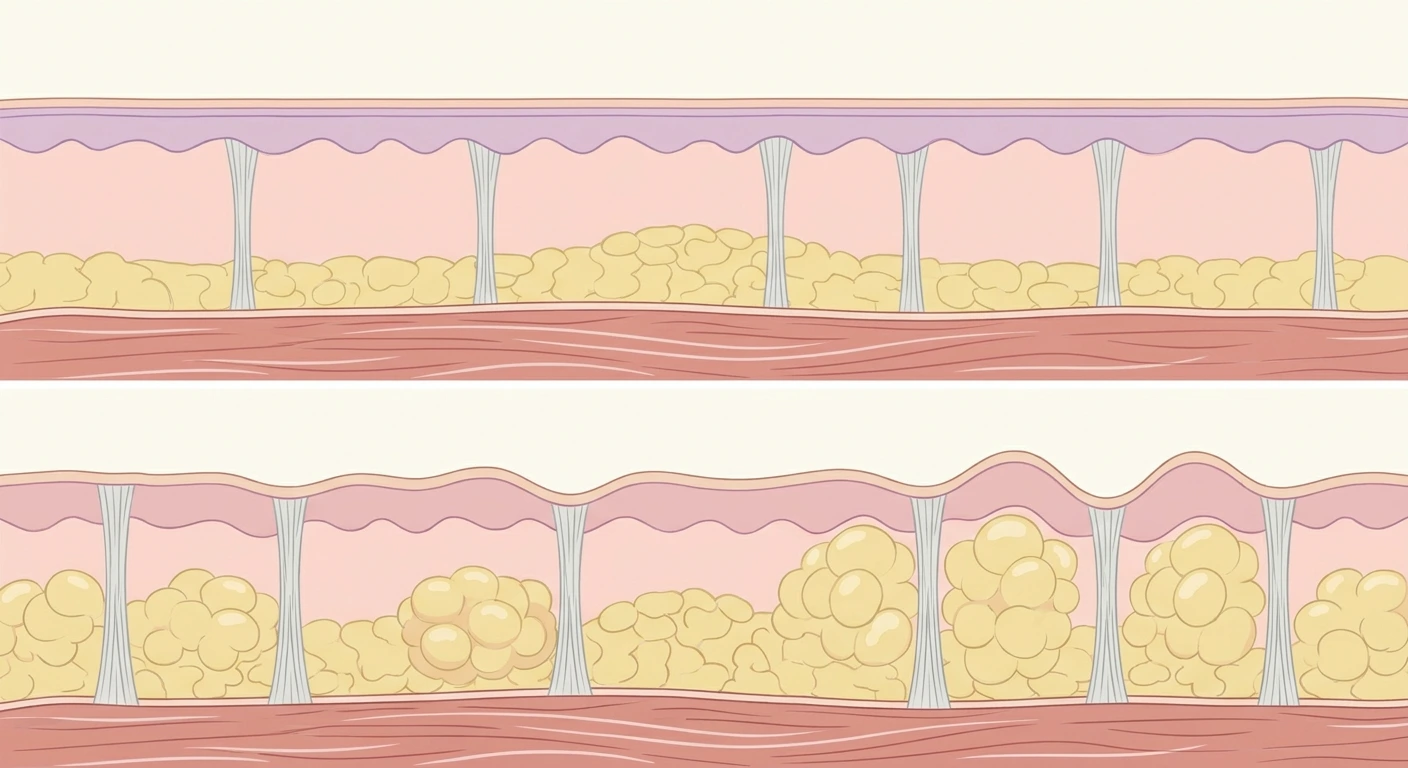
One point is easy to miss. The American Academy of Dermatology notes that cellulite is different from fat, and that treatments which remove fat often have no effect on cellulite. Even very fit, slim people can have it. That is why a treatment that is sold as a fat-burning method and a treatment that is sold to smooth cellulite are making two separate claims, and each needs its own evidence.
Does Cellulogia Reduce Cellulite? What the Research Shows
The honest answer is that vacuum-assisted massage may help the skin look smoother for a while in some people, and that the benefit does not appear to last once treatment stops.
The best-known assessment comes from dermatologists reviewing endermologie, the most thoroughly studied vacuum massage system. They report that study results have been inconsistent: some trials found no difference between treated and untreated women, while others found a noticeable reduction. Where improvement did appear, it was temporary, and cellulite tended to return within about a month of stopping.
A 2025 systematic review in Aesthetic Plastic Surgery looked more broadly. The authors screened 753 studies and included 24 randomised controlled trials covering 2,084 patients, comparing treatments that ranged from mechanical stimulation and topical products to shockwave therapy, radiofrequency, lasers and injectables. Shockwave therapy, radiofrequency and certain injectable treatments showed the most promising results. The review rated the overall quality of the evidence as moderate, and follow-up periods across the trials were short, averaging only a few weeks. In other words, it offers little basis for saying that vacuum massage produces lasting change.
Two cautions follow from this. First, results from a branded machine tested in a trial should not be transferred to every treatment marketed as cellulogia. Second, reported improvements are usually measured in appearance, such as photographs or ratings, rather than in any permanent change to the tissue underneath.
Realistic Benefits and What Is Not Supported
Taken together, the evidence supports a modest list of possible benefits. Some people see skin that looks smoother and feels more supple for a short period after a course of sessions. Massage may also temporarily increase local blood flow and move fluid around in the superficial tissues, which can reduce mild puffiness for some people. And many people simply find a massage-style treatment relaxing, in the same way that other hands-on therapies are valued for the experience as much as the outcome.
The claims that are not supported matter just as much. There is no good evidence that vacuum massage permanently removes cellulite, melts fat or causes weight loss. The FDA is explicit that non-invasive body contouring is not intended to treat obesity and will not lead to weight loss. Claims that it flushes out toxins also lack support. The liver and kidneys already handle waste removal, and the same scepticism applies here as it does to detox tea claims. Massage is also not a substitute for specialist lymphatic drainage prescribed for a medical condition such as lymphoedema, which should be delivered under clinical guidance.
What Happens During a Session and How Many Are Needed
A reputable session usually begins with a brief consultation about the areas you want to treat, your health history and what the device can realistically do. The skin is prepared according to the manufacturer’s instructions, often with oil or a lubricating product, and the handpiece is then moved across each area in slow, repeated passes. You will typically feel a pulling, rolling and kneading sensation, which should be firm but not painful. Suction strength should be adjusted to your comfort.
Because cellulogia is not one standardised treatment, there is no universal session length or number of sessions. For endermologie specifically, the American Academy of Dermatology notes that providers describe sessions of about 45 minutes and recommend a series of visits, with results fading if treatment is not maintained. Treat any package of sessions or maintenance plan as something to discuss and price up front, and be wary of a provider who cannot say which device they use or what a realistic outcome looks like.
Side Effects and Who Should Check First
Non-invasive does not mean risk-free. The FDA lists pain or discomfort and bruising as complications reported for mechanical massage devices. More broadly, across body contouring technologies, it lists redness, swelling and nodules, which are lumps you can feel but not see. Most reactions are short-lived, but the agency notes that some complications from body contouring can last longer. People with darker skin types should also know there is a potential for the skin to darken or lighten after body contouring procedures.
Strong suction in one spot, or too many passes over the same area, is a common reason for bruising, so intensity and technique matter. If you develop significant pain, unusual swelling, blistering or skin changes that do not settle, stop treatment and seek medical advice.
It is sensible to speak to a doctor or pharmacist before treatment if any of the following apply: you take blood thinners, you have a clotting or bleeding disorder, you have an active skin infection, rash or open wound in the area, you are pregnant or breastfeeding, you have swelling you cannot explain, or you have vascular or lymphatic problems. Tell the practitioner about any implants, metal in the body, recent surgery in the area and skin conditions such as eczema or psoriasis. If the machine adds radiofrequency heating, the FDA advises against it for people with active implants such as pacemakers, metal under the skin in the treatment area, or tattoos with metallic ink in the treatment area. The right precautions depend on the exact device, so the manufacturer’s instructions are the final authority.
Cellulogia, Endermologie and Vacuum Massage: Are They the Same?
They overlap, but they are not interchangeable. Vacuum massage is the broad category: any massage that uses suction to lift and manipulate the skin. Endermologie is a specific branded system within that category, and it is the one with the most published research. Cellulogia is a label that appears to sit alongside both, with a meaning that depends on the provider. When you are comparing prices, claims or reviews, the practical question is always the same: which device is being used, and has that device been tested for what it is being sold to do?
Cellulogia or Cellulitis? Do Not Confuse the Two
The names sound alike, but they describe unrelated things. Cellulite is the harmless dimpling described above. Cellulitis is a bacterial infection of the skin and the tissue just beneath it, which causes skin that is red, hot, swollen and painful, and which usually needs prompt treatment with antibiotics. Massage is not appropriate for an area that looks or feels like this. If a patch of skin becomes painful, warm and swollen, or the redness is spreading, seek medical care rather than booking a treatment.
What Has Stronger Evidence for Cellulite?
If your main goal is a lasting change in how cellulite looks, it is worth knowing where the stronger evidence sits. Dermatologists point to acoustic wave therapy, which uses sound waves and needs several sessions, and to procedures that release the fibrous bands under the skin, such as subcision, where results in studies have lasted a year or two. These are medical treatments performed by trained professionals, and they carry their own costs and risks. The 2025 review also highlighted shockwave therapy and radiofrequency, although radiofrequency results tend to be modest and short-lived.
The less glamorous options still count. Dermatologists note that gaining muscle can make skin look smoother and firmer, and that for some people, reaching and keeping a healthy weight reduces how visible cellulite is. None of this guarantees that cellulite will disappear, but it carries far less risk than any device.
How to Choose a Provider and What to Ask
A good provider is happy to answer awkward questions before you hand over any money. Ask for the manufacturer and exact model of the machine, and whether it uses suction alone or combines it with heat or light. Ask whether the device is authorised for cosmetic or medical use in your country, since regulators treat these machines as devices and expect them to be used as intended. Ask about the practitioner’s training and experience, how the equipment is cleaned between clients and whether any parts are single-use.
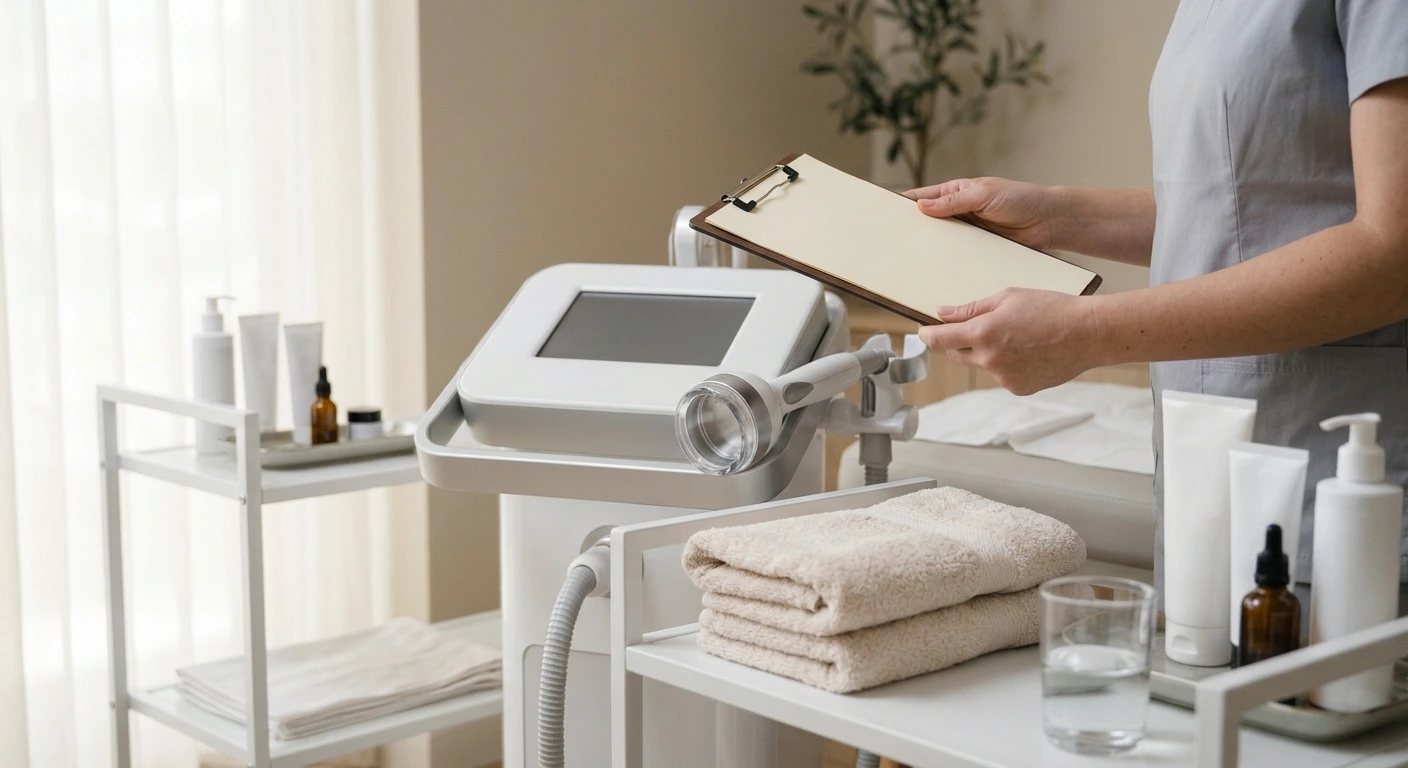
Then ask what results you can reasonably expect, how long they last, what side effects can occur and what the total cost will be, including maintenance sessions. Be cautious of promises of permanent cellulite removal, guaranteed fat loss or toxin removal, and of pressure to buy a large package on the day. Reliable providers describe outcomes in modest terms.
Frequently Asked Questions About Cellulogia
What is cellulogia used for?
Cellulogia is used mainly as a cosmetic treatment to make cellulite look less noticeable on areas such as the thighs, buttocks, hips and abdomen. It typically involves suction and rolling massage, and its effects are generally temporary.
Does cellulogia remove cellulite permanently?
No evidence shows that it does. Studies of similar vacuum massage treatments report temporary improvement in appearance, and cellulite tends to return after treatment stops.
Does cellulogia burn fat or help with weight loss?
No. Vacuum massage is not an established fat-loss or weight-loss treatment. Body contouring treatments are not intended to treat obesity, and cellulite is different from fat, so treatments that reduce fat do not necessarily affect it.
Is cellulogia painful?
It is usually described as a firm pulling and rolling sensation rather than pain, though comfort depends on the suction level, the machine and your skin sensitivity. Pain is a reported complication of mechanical massage devices, so tell the practitioner if the suction is too strong.
How many cellulogia sessions are needed?
There is no standard number because the name does not refer to one standard treatment. For endermologie, providers recommend a series of sessions of about 45 minutes, with maintenance needed to hold any improvement. Ask your provider for a clear schedule for their specific machine.
Can cellulogia help with lymphatic drainage?
Massage may help move fluid in the superficial tissues, and that is the proposed way these devices work. It is not the same as specialist lymphatic drainage used to manage medical conditions, and it should not replace advice from a clinician.
Is cellulogia safe for everyone?
No. People who take blood thinners, have clotting or bleeding disorders, active skin infections, unexplained swelling, vascular or lymphatic conditions, or who are pregnant should get medical advice first. Extra precautions apply to machines that add radiofrequency heating.
Is cellulogia the same as endermologie?
Not necessarily. Endermologie is a branded mechanical massage system with the most research behind it. Cellulogia is a broader, less defined label, so the actual device should always be checked.
Can you do cellulogia at home?
Home vacuum and cupping devices exist, but their strength and design vary widely and little research supports them. The same limits on results apply, and strong suction on one spot can cause bruising. Avoid using any suction device on broken, infected or inflamed skin.
The Bottom Line on Cellulogia
Cellulogia is best understood as a label for vacuum-assisted massage rather than a distinct medical treatment. It may leave the skin looking smoother for a short time, and some people enjoy the experience, but the research does not support claims of permanent cellulite removal, fat loss or detoxification. If you decide to try it, find out exactly which device is being used, check whether you have any health reasons to be careful, and keep your expectations modest. If lasting change is the goal, a conversation with a dermatologist about the treatments with stronger evidence is likely to be a better use of your money.