Reviewed and last updated on September 13, 2026 by Awais Ahmed, Founder & Editor-in-Chief, Urban Scope News.
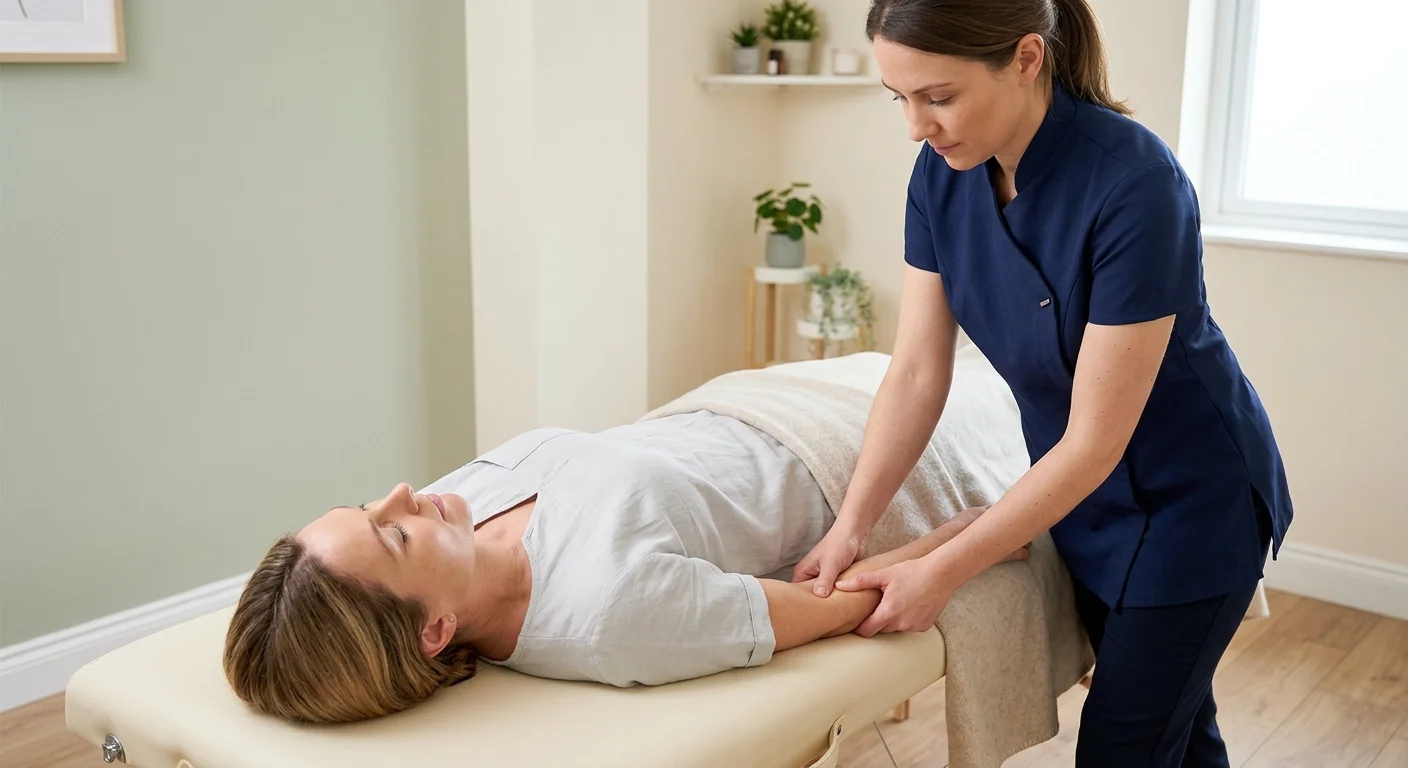
Bowen Therapy is a gentle, hands-on complementary therapy that uses a series of precise movements over muscles, tendons and other soft tissues. Unlike massage, which may involve continuous pressure or kneading, Bowen involves relatively light cross-fibre movements interspersed with deliberate pauses.
The technique developed from the work of Australian practitioner Thomas “Tom” Bowen and has since become established within complementary and holistic therapy communities in the UK, Australia and elsewhere. Today, people may seek Bowen Therapy for muscular discomfort, restricted movement, sports-related strains, stress-related tension or simply as a form of relaxation and general wellbeing.
Interest in therapies such as Bowen has grown alongside a wider desire for approaches that consider wellbeing more broadly. However, it is important to distinguish between what practitioners and clients report experiencing and what has been demonstrated by rigorous scientific research. Although there are some encouraging studies, the evidence for Bowen Therapy remains limited, and it should be considered a complementary therapy rather than an alternative to appropriate medical care.
Explore other non-surgical options in our guide to popular beauty & aesthetic treatments.
What Is Bowen Therapy?
Bowen Therapy, sometimes called the Bowen Technique or Bowenwork, is a form of gentle soft-tissue bodywork.
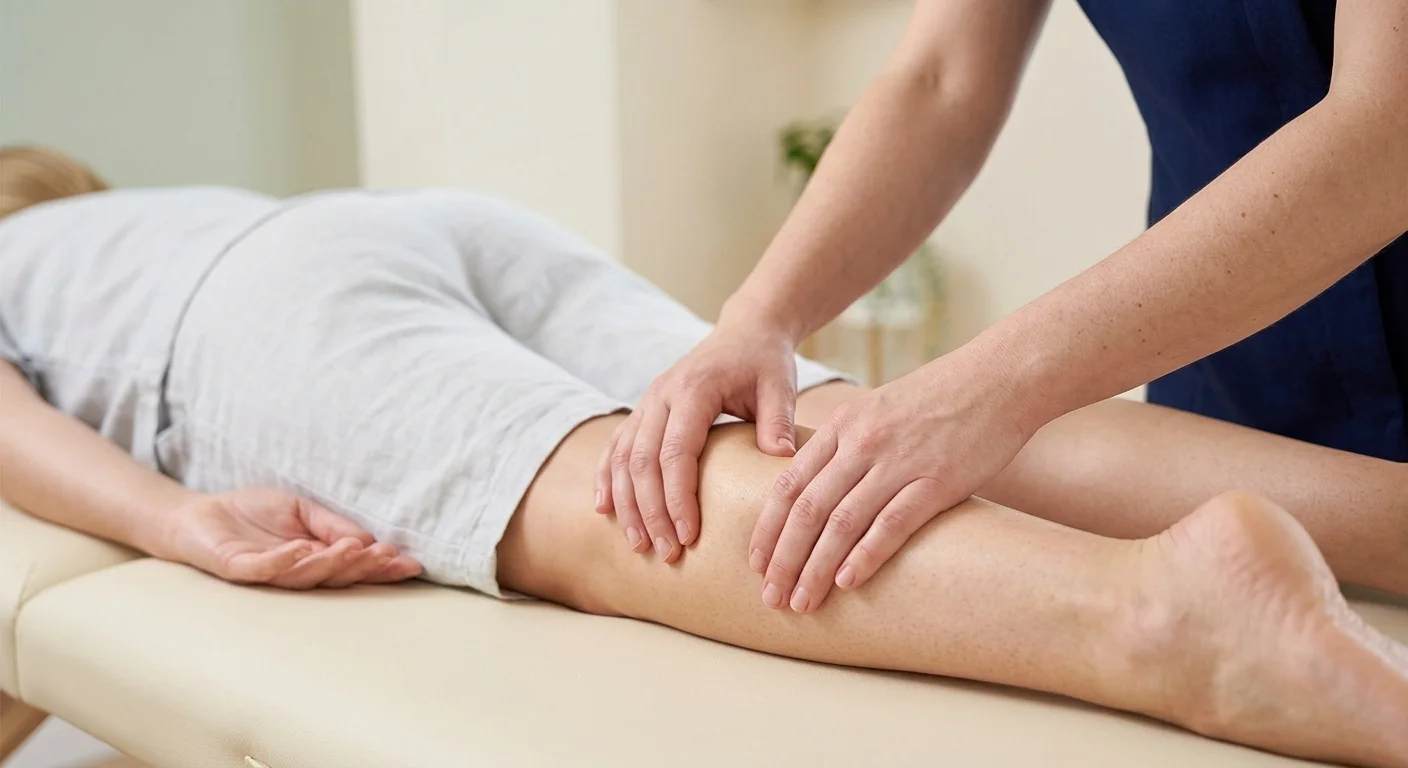
During treatment, the practitioner uses their thumbs and fingers to make small, controlled rolling or cross-fibre movements over carefully selected areas of the body. These may involve muscles, tendons, ligaments and connective tissue.
One area frequently discussed in relation to Bowen Therapy is the fascia. Fascia is connective tissue that surrounds and supports muscles and many other structures throughout the body. Bowen practitioners work at both superficial and deeper soft-tissue levels using relatively light pressure rather than forceful manipulation.
A particularly distinctive feature of Bowen is what happens between sets of movements.
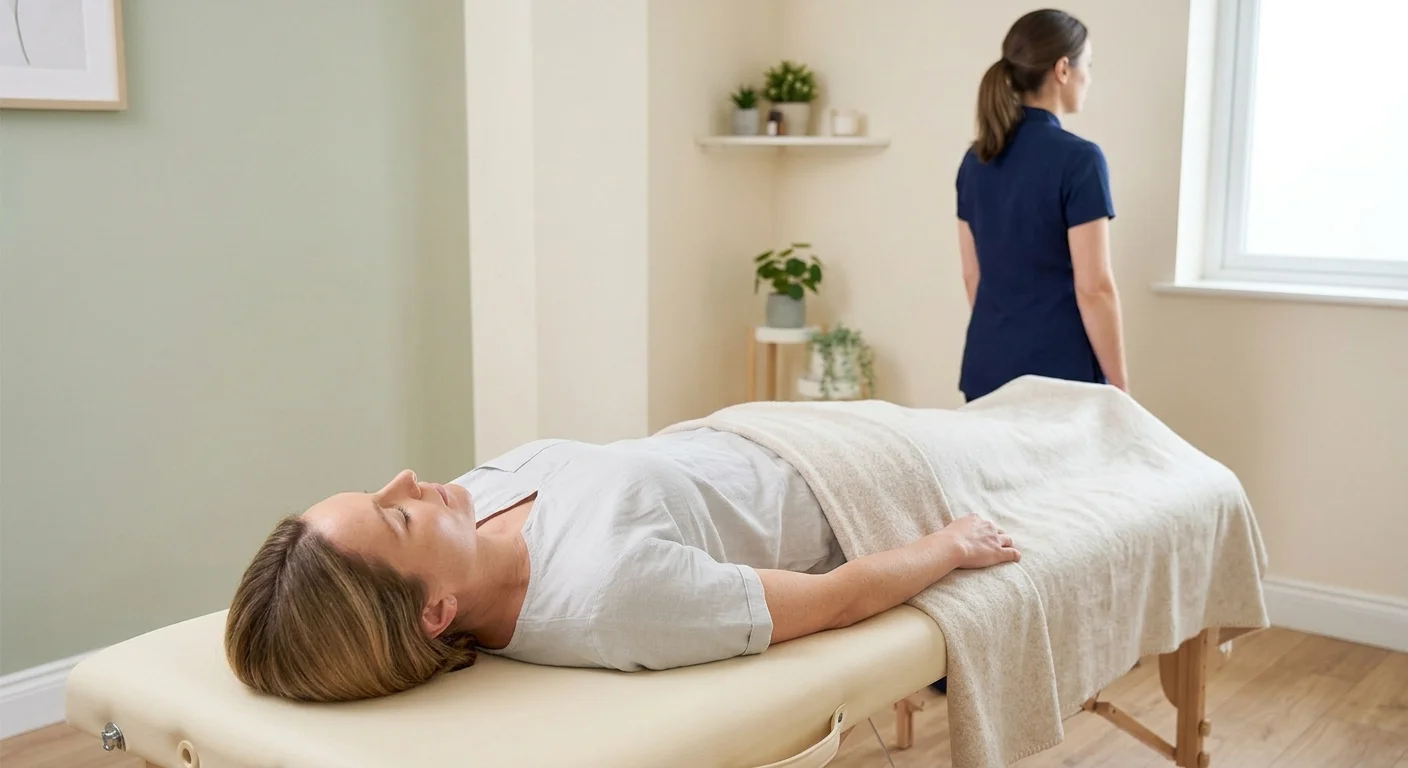
Rather than maintaining continuous physical contact, the practitioner introduces pauses, often lasting several minutes. In some practices, the therapist may even leave the treatment room briefly. Practitioners believe these pauses give the body time to respond before the next sequence of movements is performed. A typical session therefore has a noticeably different rhythm from massage, osteopathy or many other hands-on therapies.
Because the movements are gentle and can often be performed through light clothing, Bowen is used by practitioners with clients of a wide range of ages. That does not mean that every treatment is automatically appropriate for every person, however. Babies, older people, pregnant clients and anyone with significant medical problems should be assessed individually, with medical advice obtained when necessary.
How Does Bowen Therapy Work?
This is where it is useful to separate the traditional explanation of Bowen Therapy from what science has established.
Bowen practitioners commonly describe the technique as providing gentle sensory input to muscles, connective tissues and the nervous system. The movements are applied at specific points, followed by periods of rest.
Some practitioners describe this as creating a “conversation” between the tissues and nervous system. For example, York Natural Health describes Bowen’s rolling movements as stimulating nerve pathways and allowing communication between different parts of the nervous system and the tissues.
The Bowen Therapy Professional Association similarly describes the movements as influencing the nervous system while allowing periods between them for the body to respond.
These are useful descriptions of the therapy’s underlying philosophy, but the precise biological mechanism responsible for any clinical effects has not been established.
Research has explored possible relationships between manual therapy, sensory input, pain perception and nervous-system activity, but it would be an overstatement to say scientists have proven that Bowen Therapy “resets” the nervous system or causes the body to heal itself.
The role of fascia
Fascia receives considerable attention within Bowen Therapy because the technique involves working over soft connective tissues. Fascia is biologically important and contains sensory structures, but claims that manipulating it through Bowen can directly correct a wide range of health problems remain unproven.
Hydration is also commonly included in Bowen aftercare. Some practitioners advise clients to drink adequate water following treatment and to remain gently active rather than sitting for prolonged periods. The Better Health Channel similarly notes recommendations for adequate hydration and light movement following a Bowen session.
Whatever theoretical explanation is used, one of the defining characteristics of Bowen is that it does not attempt to force joints or tissues into a particular position. The pressure is usually light and the treatment experience is generally intended to be calm and comfortable.
What Are the Potential Benefits of Bowen Therapy?
People seek Bowen Therapy for numerous reasons. Commonly reported motivations include back, neck and shoulder discomfort, muscular tension, sports-related strains, restricted movement and stress-related tension.
The Better Health Channel also describes Bowen as being used in connection with musculoskeletal and related neuromuscular problems, including sports injuries and chronic complaints.
The important word here is used. Being used for a condition does not necessarily mean that the treatment has been clinically proven to cure or effectively treat that condition.
Reported or proposed reasons for seeking Bowen include:
- muscular and joint discomfort; back, neck or shoulder tension; sports-related strains; relaxation and stress reduction; improving ease of movement; and supporting general wellbeing.
Some clients say they feel deeply relaxed during or after treatment. Others report improvements in comfort or mobility. The BTPA publishes client testimonials describing experiences such as reduced pain and improved physical or mental wellbeing following Bowen sessions. These personal experiences can be meaningful to the individuals concerned, but testimonials cannot establish that Bowen caused the improvement or that another person will experience the same result.
Bowen Therapy for Anxiety and Stress
Bowen Therapy for anxiety is an increasingly common search term, perhaps because the treatment is frequently described as relaxing.
A quiet treatment environment, gentle physical contact and periods of stillness may certainly be experienced as calming. People who carry muscular tension during periods of stress may also appreciate a bodywork treatment that does not involve vigorous manipulation.
The evidence for treating anxiety itself, however, is far less certain.
A major Australian Government-commissioned evidence review published in 2024 found no eligible studies examining Bowen Therapy specifically in people with stress, anxiety or mood disorders. One small trial involving people with chronic neck pain suggested a possible slight improvement in mental health, but the certainty of the evidence was low.
Bowen Therapy should therefore not be promoted as a treatment for an anxiety disorder.
Someone experiencing persistent anxiety, panic attacks, depression or other significant mental-health symptoms should speak to their GP or an appropriately qualified mental-health professional. Bowen may potentially be used alongside appropriate care as a form of relaxation if the individual finds it helpful.
What to Expect During a Bowen Therapy Session
Your first Bowen appointment will generally begin with a consultation.
A responsible practitioner should ask about your general health, current symptoms, previous injuries, medication and relevant medical history. This also gives you an opportunity to explain what you hope to gain from treatment and ask questions.
A standard treatment often lasts approximately 30 to 60 minutes, although an initial consultation can take longer.
You will usually lie comfortably on a treatment couch, although Bowen can sometimes be performed with the client seated when lying down is difficult. Treatment may be given directly on the skin or through a layer of light, loose clothing. Heavy garments may need to be removed.
The practitioner then makes a series of precise, gentle movements, with pauses between sets. These breaks can last several minutes and are an intentional part of the technique rather than unused treatment time.
Most people would describe Bowen as considerably subtler than deep-tissue massage. There is generally no forceful joint manipulation, aggressive stretching or continuous kneading.
Are you focusing on beauty treatments next? Read our complete breakdown: What are HD Brows?
How many Bowen sessions will you need?
You may encounter claims that most people experience relief after their first appointment or achieve substantial results within three sessions.
Some complementary-therapy sources do report this pattern. For example, the Better Health Channel notes that some people may experience relief after one treatment, while additional sessions may be required for chronic or longstanding problems. York Natural Health similarly states that changes are often noticed during the first three treatments.
These should not be interpreted as guarantees.
Response to any manual therapy varies considerably according to the individual, the condition involved, its underlying cause and many other factors. If a practitioner continually recommends further sessions despite no meaningful improvement, it is reasonable to reconsider the treatment and seek medical advice.
After your treatment
A Bowen practitioner may suggest drinking water, undertaking gentle movement and avoiding prolonged periods of sitting after your appointment.

Some Bowen practitioners also recommend avoiding massage, physiotherapy, chiropractic treatment, acupuncture or other hands-on therapies for approximately a week after a session. The Better Health Channel notes that therapists may give this advice while the body adjusts.
This is part of Bowen practice rather than a universally established medical requirement. If you are already receiving medically recommended physiotherapy or another treatment, do not discontinue or postpone it without discussing this with the appropriate healthcare professional.
Bowen Therapy Training and Qualifications
Practitioner qualifications deserve careful attention because standards for complementary therapies can differ between countries and organisations.
In Australia, the Better Health Channel recommends choosing a registered practitioner and notes that the Bowen Association of Australia requires a nationally accredited qualification for registration, alongside requirements relating to first aid, insurance and continuing education.
In the UK, useful organisations include the Bowen Therapy Professional Association (BTPA) and the Federation of Holistic Therapists (FHT). The FHT has published a Bowen core curriculum designed to establish recognised training standards, while BTPA membership requirements include recognised Bowen training and professional-development requirements.
Full BTPA practitioners must also meet requirements relating to first-aid training. BTPA states that practitioners on its public register hold recognised qualifications and insurance and follow a professional code of conduct.
In the UK, you may also encounter practitioners registered with the Complementary & Natural Healthcare Council (CNHC). CNHC operates a voluntary register for complementary healthcare practitioners, and its register is accredited by the Professional Standards Authority.
When choosing a practitioner, look beyond an impressive-looking certificate on a website. Ask about the person’s Bowen Therapy training, professional membership, anatomy and physiology education, first-aid training, insurance and ongoing continuing professional development.
A credible therapist should also understand the boundaries of their role. The BTPA’s professional code states, for example, that members should not medically diagnose conditions unless suitably qualified and should refer clients to a GP or another practitioner when appropriate.
Does Bowen Therapy Really Work?
This is perhaps the most important question for anyone considering treatment.
The most accurate answer is: there are some promising findings, but the clinical evidence is currently too limited to make strong claims about effectiveness.
An earlier systematic review published in 2011 found only a small number of studies of widely varying quality. Although some reported reductions in pain or improvements in mobility, there was very little high-quality research available.
Research has developed since then.
For example, a randomised controlled trial examining Bowen Therapy for myofascial neck pain reported improvements in some measures of pressure-pain threshold and neck movement compared with usual treatment.
A more recent trial in people with fibromyalgia found no significant between-group difference in pain intensity over time, although improvements were observed in some measures including limb endurance, interference from pain and mental health-related quality of life.
Most importantly, a 2024 systematic review commissioned as part of the Australian Government’s Natural Therapies Review identified six randomised controlled trials, all involving people with pain conditions. It concluded that the evidence remained very uncertain regarding important outcomes such as pain and physical function. Low-certainty evidence from one study suggested possible improvements in mental health and health-related quality of life among people with chronic musculoskeletal pain.
So, does Bowen Therapy really work?
Some people unquestionably report that they feel better after receiving it, and a small number of studies suggest possible benefits in particular circumstances. But it is not yet possible to say confidently which conditions benefit, how large the effect is, whether Bowen is superior to placebo or other appropriate treatments in many situations, or which individuals are most likely to respond.
That makes balanced expectations important.
Bowen can reasonably be considered a complementary wellbeing or manual-therapy option for people who enjoy the treatment or feel it helps them, but it should not be presented as a proven cure for medical conditions.
What Are the Disadvantages and Dangers of Bowen Therapy?
Searches for the dangers of Bowen Therapy or what are the disadvantages of Bowen Therapy often arise because people want to know whether such a gentle treatment can still have risks.
Compared with forceful manipulation, Bowen is relatively gentle. However, “gentle” should not automatically be interpreted as “risk-free”.
One major limitation is that high-quality research on Bowen remains sparse. The 2024 Australian evidence review specifically did not evaluate safety, so the scientific evidence is insufficient to make sweeping claims about its risk profile.
Some clients report temporary tiredness, changes in muscular sensation or short-term soreness after hands-on therapies, although any significant, unusual or worsening symptom should not simply be dismissed as a “healing reaction”.
Perhaps the more important potential danger with complementary therapies is delayed diagnosis or treatment. Persistent or severe pain, unexplained weakness, neurological symptoms, fever, sudden swelling, significant injury or other concerning symptoms deserve appropriate medical assessment.
Bowen should never be used to delay necessary investigations or replace prescribed treatment.
Cost is another disadvantage. Because Bowen is normally accessed privately, repeated sessions can become expensive, particularly when there is no guarantee that the treatment will provide meaningful benefit.
Accessibility may also be limited depending on where you live, and practitioner training standards can vary. This makes checking qualifications and professional registration particularly important.
Bowen and Alexander Technique: What Is the Difference?
Bowen Therapy and the Alexander Technique are both associated with movement, muscular tension and general physical wellbeing, but their methods are quite different.
Bowen is primarily a passive hands-on treatment. You typically lie or sit while a practitioner performs gentle movements over soft tissues and pauses between sequences.
The Alexander Technique, by contrast, is fundamentally an educational method. A teacher helps you develop greater awareness of habitual patterns in sitting, standing and moving, with the aim of using the body with less unnecessary muscular effort. It is often described as movement re-education rather than a treatment performed on a passive recipient.
In simple terms, Bowen is something a practitioner largely does with you, whereas the Alexander Technique teaches skills that you increasingly learn to apply yourself during everyday activities.
Someone primarily interested in relaxation or gentle hands-on bodywork may be more drawn to Bowen. A person wanting to examine posture, movement habits and how they use their body during everyday life may find the Alexander Technique more relevant.
They do not necessarily have to be viewed as competing therapies. However, if you are using multiple physical or complementary therapies at the same time, tell each practitioner what other treatment you are receiving.
How Much Does Bowen Therapy Cost?
For people wondering how much does Bowen Therapy cost, there is no standard national fee.
Prices depend on location, appointment length, practitioner experience and whether the first consultation takes longer than later sessions.
The Bowen Association UK states that practitioners set their own prices and gives a typical range of approximately £35 to £65 for a 45-to-60-minute session, although individual practitioners may charge more. Current examples show fees of £50, £75 or £85 at different practices, illustrating how much prices can vary.
The initial appointment can also cost more because it may include a longer health consultation.
Before booking, check exactly what the price includes and whether there is any expectation that you purchase a course of treatments. Be cautious about paying large sums in advance based on guarantees that a particular number of sessions will cure a health condition.
Bowen Therapy is usually provided privately. Some health cash plans or private insurance policies may reimburse complementary treatments, depending on the policy and the practitioner’s registration. The BTPA recommends checking with your insurer before treatment and notes that some providers may require the practitioner to be registered with the CNHC.
Finding a Qualified Bowen Therapy Practitioner
If you would like to try Bowen, start by looking for practitioners registered with an established professional organisation rather than simply choosing the nearest person advertising the treatment.
Check their qualifications and insurance, ask how long they have been practising and find out whether they undertake regular continuing professional development.
A good practitioner should also be comfortable saying when Bowen is not the appropriate option.
They should never discourage you from seeking medical advice, tell you to stop prescribed medication, claim to diagnose diseases without the appropriate professional qualifications or guarantee that Bowen will cure a serious condition.
If you have unexplained or persistent symptoms, an existing medical condition, a recent significant injury, or concerns about whether treatment is appropriate, speak to your GP or relevant healthcare professional first.
Is Bowen Therapy Worth Trying?
Bowen Therapy occupies an interesting position within complementary healthcare.
Its appeal is easy to understand. It is gentle, usually relaxing, does not involve forceful manipulation and can be performed through light clothing. Many clients report positive personal experiences, while practitioners use the technique for everything from muscular tension and sports-related discomfort to relaxation and general wellbeing.
Scientific evidence, however, has not yet caught up with the breadth of claims sometimes made for the therapy.
Some clinical research has produced promising findings, but the overall evidence remains limited and uncertain. In particular, there is currently insufficient evidence to justify presenting Bowen as a proven treatment for pain conditions, anxiety or a wide range of illnesses.
For that reason, the most sensible way to approach Bowen is as a complementary therapy rather than a replacement for conventional healthcare.
If you enjoy hands-on therapies, prefer a particularly gentle technique and have realistic expectations, Bowen may be something you wish to explore. Choose an appropriately trained and insured practitioner, discuss any medical concerns beforehand and judge the treatment according to whether it provides a meaningful benefit for you.
Used in that context, Bowen Therapy can form part of a broader approach to wellbeing alongside appropriate medical care, physical activity, good sleep, stress management and other evidence-based strategies.
Medical disclaimer: This article is intended for general information only and does not constitute medical advice, diagnosis or treatment. Bowen Therapy should not replace appropriate assessment or treatment from a doctor or other qualified healthcare professional. Seek medical advice if you have persistent, severe, worsening or unexplained symptoms.