
Reviewed and last updated on October 15, 2026 by Awais Ahmed, Founder & Editor-in-Chief, Urban Scope News.
Most people find that pain and swelling after a tooth extraction ease within the first few days, with the worst of the discomfort usually behind them by the end of the first week. The gum surface then continues to close and settle over the following weeks, while the bone underneath keeps rebuilding for several months. Those are typical patterns rather than promises, and how quickly you recover depends on the tooth, how it was removed and how closely you follow your dentist’s aftercare advice.
If you have just had a tooth out, or you have one booked, it helps to know what is normal and what is not. This guide walks through the tooth extraction healing stages from the first night to full recovery, covering pain, eating, drinking, smoking, alcohol and the warning signs that mean you should call a dentist. It is written with UK readers in mind and uses NHS guidance as its main reference, but the basic biology of healing is the same wherever you live.
What Happens in Your Mouth After a Tooth Is Removed
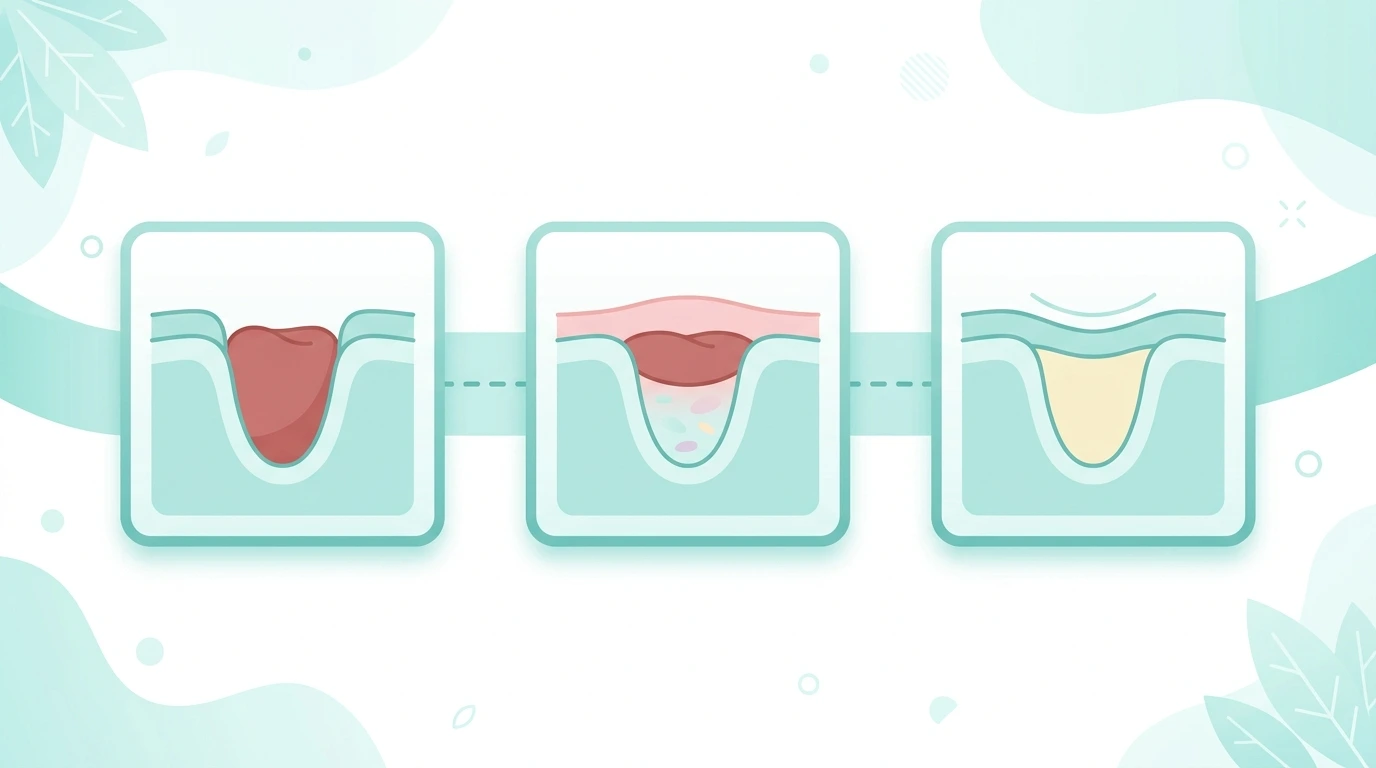
When a tooth comes out, it leaves a hole in the gum and jawbone called a socket. Almost straight away, your body fills that socket with a blood clot. The clot is easy to overlook, but it is the foundation of the entire recovery. It seals the wound, protects the bone and nerve endings underneath and gives new tissue a framework to grow across.
Over the following days, the clot is gradually replaced by soft, pinkish healing tissue, the gum edges draw together, and in the months that follow the socket fills in with new bone. Nearly everything dentists tell you to do or avoid after an extraction comes down to one aim: leaving that clot undisturbed while this happens.
The NHS notes that after wisdom tooth removal you can usually expect some pain and swelling for up to two weeks, and that a blood clot forms over the wound to help it heal. Wisdom teeth tend to be the more demanding extractions, so a simple extraction of a front tooth will often feel easier and settle sooner.
Tooth Extraction Healing Timeline
The First 24 Hours and the First Night
The first day is about protecting the clot. Your mouth will be numb from the local anaesthetic for a few hours, and you may notice some oozing, so a little blood mixed with your saliva is normal for a few days. If the site bleeds, dampen a piece of clean gauze or a clean cotton handkerchief, place it over the area and bite down firmly for at least ten minutes. If the bleeding does not stop, contact your dentist.
Be careful while you are still numb, because it is surprisingly easy to bite your cheek or tongue or burn your mouth on a hot drink without feeling it. Wait until the feeling returns before you try a proper meal, and keep to soft, lukewarm food.
Do not rinse your mouth on the day of the extraction, as rinsing can wash the clot out. Avoid touching the socket with your tongue or fingers, rest for the day and avoid anything strenuous. Many people find it more comfortable to sleep with their head slightly raised on an extra pillow for the first night, which can help with swelling and throbbing. The first night is often when the anaesthetic fades and you notice the area most, so have your pain relief and soft food organised in advance rather than hunting for them at 11pm.
Days 2 to 3
For many people, the second and third days are the sorest. Guy’s and St Thomas’ NHS Foundation Trust explains that pain after dental surgery is usually worst in the first two to three days and then starts to improve. Swelling can appear within the first 48 hours and usually lasts around five to seven days before it settles. The Trust is clear that this is a normal part of healing and does not on its own mean you have an infection.
You might also notice some stiffness in your jaw, mild bruising on the cheek, and tenderness when you chew. Stick to soft foods, take any pain relief exactly as directed by your dentist or on the packet, and keep the area clean without disturbing it. From the day after the extraction, the Trust advises rinsing with a glass of warm water containing one teaspoon of salt, gently and then spitting it out, four times a day for four to five days. Your own dentist may give slightly different instructions, and if they do, follow theirs.
Days 4 to 7
By the end of the first week most people feel a clear improvement. Pain has usually eased, swelling is going down, chewing is more comfortable and the gum starts to close over the socket. The surface may look better than it is, because the deeper tissue is still repairing. If you had dissolvable stitches, they can take up to two weeks to disappear, and it is not unusual for them to loosen or fall out earlier without causing a problem.
This is also the point where it matters whether things are getting better or worse. Pain that was fading and then suddenly increases, or swelling that grows again several days in, deserves a call to your dentist. The Trust notes that when an infection develops after an extraction, pain and swelling typically get worse around four to six days after surgery.
Weeks 2 to 4
During the second week, the socket becomes shallower as new tissue builds up, and sensitivity gradually fades. For wisdom tooth removal, the NHS describes pain, swelling and a sore, stiff jaw lasting for up to two weeks, which fits what most people experience. By the end of the first month, a simple extraction site often looks and feels largely healed from the outside, and eating should be back to normal for most people.
You may still feel a slight dip or a small tender spot with your tongue for a while. That is usually just the socket continuing to fill in.
Complete Healing
The visible gum healing is not the end of the story. Beneath the surface, the jawbone keeps remodelling and filling the socket over a period of several months. You will not feel this happening, and it does not usually cause symptoms, but it is the reason dentists plan implants or bridges with some patience after an extraction.

| Time after extraction | What typically happens |
|---|---|
| First day | Blood clot forms in the socket; numbness wears off; slight oozing is common |
| Days 2 to 3 | Pain is often at its worst; swelling may appear and build |
| Days 4 to 7 | Pain and swelling ease; gum begins to close over the socket |
| Weeks 2 to 4 | Soft tissue continues to heal; tenderness fades; stitches have dissolved |
| Several months | Bone gradually rebuilds and remodels beneath the gum |
What Does a Normal Tooth Extraction Socket Look Like?
Looking into the mirror at a hole where a tooth used to be can be alarming, and many people search for healing pictures to compare. A healthy socket changes noticeably from week to week, which is why photos can be misleading.
In the first day or two, you will usually see a dark red clot sitting in the socket. Over the next several days, it is normal for the area to look whitish, greyish or yellowish as healing tissue forms across it. People often mistake this for pus, but it is generally part of the repair process, particularly when the area is becoming less painful rather than more. Around day three, a socket that is healing normally is typically sore and slightly swollen, with that pale tissue starting to appear, and it should feel gradually more comfortable from there.
What is not typical is a socket that looks empty with exposed, pale bone showing, especially if you have severe pain, a foul taste or bad breath. That pattern points towards dry socket, covered below. Rather than trying to diagnose yourself from images online, it is always safer to let a dentist look if something does not feel right.
How Long Does Tooth Extraction Pain Last?
Pain varies widely. It depends on how complicated the extraction was, whether there was infection beforehand, how many teeth were removed and simply how you personally experience pain. A straightforward extraction might need little more than over-the-counter pain relief for a couple of days, whereas a surgical or wisdom tooth extraction can ache for longer.
As a rough guide, soreness tends to peak in the first two to three days and then steadily reduce. Throbbing is common in the early days, and it often feels worse in the evening or when you lie down. A throbbing ache does not automatically mean dry socket. What matters is the direction of travel: pain that is gradually settling is reassuring, whereas pain that is increasing after several days is not.
Neighbouring teeth can also feel tender or sensitive to hot and cold after an extraction, which can feel like generalised aching in that part of the mouth. Guy’s and St Thomas’ notes this is common, and a toothpaste for sensitive teeth can sometimes help.
If you are still in significant pain a week after the extraction, or the pain is getting worse rather than better, speak to your dentist. Persistent or worsening pain can be a sign of dry socket or an infection, both of which can be treated.
For pain relief, the NHS says paracetamol or ibuprofen can help. Ibuprofen is not suitable for everyone, and the right choice and dose depend on your health and any other medicines you take, so follow your dentist’s advice or ask a pharmacist if you are unsure. Never take more than the recommended dose.
What Can You Eat During Tooth Extraction Recovery?

Eating well matters, but so does being gentle. The NHS suggests soft or liquid food until you can chew comfortably, and Guy’s and St Thomas’ says it can be uncomfortable to eat solid food for a day or two, giving soup, scrambled eggs, spaghetti, bread and mashed potato as examples. Yoghurt, porridge, and well-cooked, soft vegetables are also easy on a tender mouth.
Aim to chew on the opposite side to the extraction. Let hot food and drinks cool first: the Trust advises avoiding very hot food and drinks for two days because they could cause bleeding. Smoothies are fine on a spoon, but it is sensible to avoid drinking them through a straw in the first few days, as many dentists advise against the suction.
Steer clear of anything hard, crunchy or sharp, such as crisps, toast crusts and biscuits, and of small foods that can lodge in the socket, such as nuts and seeds, which the NHS specifically warns against. Very spicy food can irritate a sore mouth, so it is kinder to leave it for a few days.
As for timing, you can usually eat once the numbness has worn off, which tends to take a few hours depending on the anaesthetic used. Start with something soft and lukewarm. You can move back towards your normal diet as chewing becomes comfortable, which for many people is within a week, although it may take longer after surgical extractions.
When Can You Drink Water After Tooth Extraction?
You can generally drink water once the numbness has worn off, and staying hydrated helps recovery. The key is to sip gently, rather than swishing the water around your mouth or spitting forcefully afterwards. Lukewarm or cool water is better than anything hot, and if you drink tea or coffee, let it cool to lukewarm first. Many dentists also advise against using a straw in the early days because suction may disturb the clot, so drinking from a cup is the safer habit.
If you have had a more complex extraction or were given sedation or a general anaesthetic, your dentist may give you more specific instructions about when to start drinking and eating, so those should take priority over general advice.
Activities to Avoid After an Extraction
Smoking and Vaping
Smoking is one of the biggest controllable risk factors for slow healing. The NHS advises against smoking after wisdom tooth removal because it can increase the risk of infection, and Guy’s and St Thomas’ says dry socket is more likely if you smoke. The chemicals in smoke affect healing, and the sucking action can disturb the clot.
Vaping is not as well studied in this context, but it also involves inhaling through the mouth and usually delivers nicotine, which narrows blood vessels and can slow healing. It is sensible to treat vaping like smoking and avoid it. Ask your dentist how long they recommend staying off, and remember that the longer you can hold out, the better your socket is likely to heal. If you are trying to quit, an extraction can be a useful moment to do so, and the NHS offers free stop smoking support.
Alcohol
The NHS advises avoiding alcohol after wisdom tooth removal, partly to reduce the risk of bleeding. Alcohol can also irritate the area, and it does not mix well with some medicines, including certain antibiotics and painkillers, so check the leaflet or ask your pharmacist. It is best to leave it for at least the first few days and until your dentist says it is fine.
Exercise
Strenuous activity raises your blood pressure and can restart bleeding or worsen swelling. Guy’s and St Thomas’ recommends avoiding exercise for a few days after dental surgery. Gentle walking is usually fine, but save the gym, running and heavy lifting until you feel properly recovered and your dentist is happy for you to resume. The NHS says many people can return to normal daily activities the day after wisdom tooth removal, although more difficult extractions or those done under general anaesthetic may need one to three days off work.
Brushing and Mouthwash

Keep cleaning your teeth, because a clean mouth lowers the risk of infection. Brush as normal but gently, and steer well clear of the extraction site so that you do not disturb the clot or any stitches. Do not rinse on the day of the extraction. After that, gentle rinsing with warm salt water, as described earlier, is a safe way to keep the area clean. If you prefer to use a mouthwash, follow your dentist’s guidance on which one and when to start, as some can sting a healing socket.
Signs Your Extraction May Not Be Healing Normally

Complications after extraction are uncommon, but it is worth knowing what to watch for.
Dry Socket
Dry socket happens when the blood clot fails to form properly or is lost before the gum has healed, leaving the bone and nerve endings exposed. According to Guy’s and St Thomas’, it usually appears three to five days after the extraction and causes increasing pain, a foul taste and bad breath. The pain can be intense and may spread towards the ear or jaw. The Trust notes that it is more likely in people who smoke or take the contraceptive pill.
It is not dangerous, but it is painful, and over-the-counter painkillers often do not touch it. A dentist can treat it by cleaning the socket and placing a medicated dressing, which tends to bring relief quickly. If you suspect dry socket, contact your dentist rather than waiting it out.
Infection
Infection after extraction is uncommon, and Guy’s and St Thomas’ describes the chance as low. Signs include pain and swelling that get worse several days in, pus, a bad taste, a high temperature and feeling generally unwell. Infections can usually be treated, sometimes with antibiotics, but they need to be assessed. The NHS says to ask for an urgent dentist appointment or get help from NHS 111 if you have pain with a bad taste in your mouth, a high temperature or feeling unwell, or if pain and swelling are severe or getting worse despite painkillers.
Bleeding That Will Not Stop
Some oozing is normal, but heavy bleeding that continues after pressing firmly on clean gauze for at least ten minutes needs advice. Contact your dentist, and if you cannot reach them, call NHS 111 or go to A&E.
When to Get Emergency Help
Call 999 or go to A&E if you have trouble breathing, speaking or swallowing, a lot of swelling in your mouth, difficulty opening your mouth, or a swollen or painful eye or sudden eyesight problems. These are listed by the NHS as signs of a serious infection in its dental abscess guidance. Do not drive yourself, and ask someone else to take you or call an ambulance.
Frequently Asked Questions
How long does a pulled tooth take to heal?
Most people feel much better within one to two weeks. The NHS says wisdom tooth removal can cause pain and swelling for up to two weeks. The gum continues to mature over the following weeks, and the bone beneath takes several months to rebuild fully.
When can I eat normally after a tooth extraction?
Most people can return to their usual diet once chewing is comfortable, often within a week, though it may be longer after a surgical or wisdom tooth extraction. Until then, stick to soft foods and avoid anything hard, crunchy or small enough to lodge in the socket.
Is some pain normal after a tooth extraction?
Yes. Some pain, swelling and tenderness are expected and usually peak in the first two to three days. Pain that suddenly gets worse after it was improving should be checked by a dentist.
How do I know if my extraction is healing properly?
Reducing pain, swelling that settles after the first week, and a gum that gradually closes over the socket are all good signs.
Can I smoke, vape or drink alcohol after an extraction?
It is best to avoid all three. Smoking raises the risk of infection and dry socket, and alcohol can increase bleeding and interact with some medicines. Ask your dentist how long to wait.
Conclusion
Recovery from a tooth extraction follows a fairly predictable pattern: protect the clot during the first day, expect the most soreness over the following two or three days, and see steady improvement across the first couple of weeks while the deeper bone catches up over the following months. Eating soft food, keeping your mouth clean without disturbing the socket, avoiding smoking and alcohol, and resting for a few days all give your body the best chance of healing smoothly.
Trust your instincts if something feels wrong. Pain that is getting worse instead of better, swelling that grows after several days, a bad taste, fever or bleeding that will not stop are all reasons to contact your dentist or NHS 111, and breathing or swallowing difficulties need emergency help.
This article is for general information only and does not replace advice from your dentist or doctor. Always follow the aftercare instructions you were given for your own procedure.