Reviewed and last updated on September 25, 2026 by Awais Ahmed, Founder & Editor-in-Chief, Urban Scope News.
This post is a paid partnership between Urban Scope News and the featured brand.
What Should Renters Ask Letting Agents in Warrington About New Town Housing Stock?
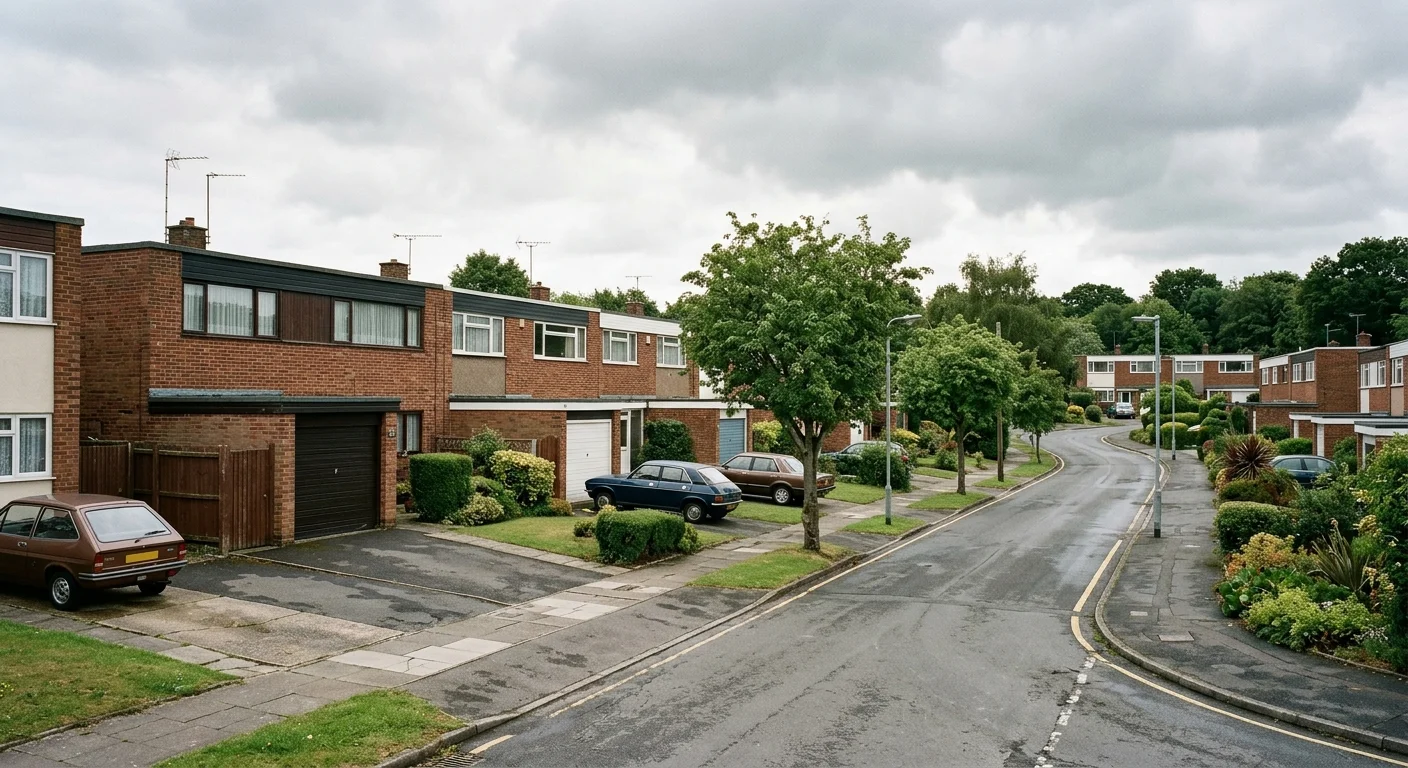
Drive through Birchwood or Woolston and you’ll notice something odd about the streets: they don’t quite follow the pattern of an older English town. That’s because much of Warrington was planned from scratch after it was designated a New Town, and the housing that came with it has its own quirks. If you’re weighing up a tenancy here, it helps to find rental support through letting agents in Warrington who actually know which estates were built when, and what that means for the property you’re viewing.
But it isn’t only about age. Warrington’s growth was spread over several decades, so a house in Callands can feel quite different from one in Great Sankey or out towards Chapelford, even though they tend to get lumped under the same broad heading. Renters who understand that early usually ask sharper questions, and agents usually give straighter answers when they’re asked them.
Start With How the Property Was Built
The first thing worth asking is the construction type and roughly when the estate went up. Homes from the early years of the New Town programme were often built quickly and to a plan, which means some have flat or shallow pitched roofs, integral garages, and layouts that were considered forward thinking at the time. Some of that has aged well, though some hasn’t, and an agent who has managed several homes on the same estate will usually know which is which.
It’s also fair to ask what repairs have been carried out recently, particularly to roofs, windows and external walls. A landlord who has replaced a roof covering in the last few years is telling you something about how the property is looked after, and that’s not nothing. If the agent can’t say, ask them to check before you commit to a follow-up viewing, because vague answers at this stage rarely get clearer later.
Layout deserves a proper look too. Some estates in Warrington were designed with footpaths separating homes from roads, which suits families who like quiet frontages but can feel less comfortable after dark. Only you can judge that, so it’s worth walking the route from the front door to the nearest bus stop in the evening and asking the agent how other tenants on that street have found it.
Heating, Damp and What the Bills Might Look Like
Ask for the EPC before anything else and then ask what it means in practice. A rating on paper is useful, but the better question is how the home is heated, whether the boiler is recent, and what previous tenants have typically spent in winter. Agents don’t always have exact figures, and you shouldn’t expect them to invent any, yet most can tell you whether a property has a reputation for being cheap or expensive to keep warm.
Damp and condensation come next, and honestly, they’re the subjects’ renters feel most awkward raising. There’s no need to, because a clear, unhurried answer is a good sign while a defensive one is worth remembering. Homes with flat roofs or older single glazed extensions can be prone to it, so ask directly whether there’s been any history of mould, how it was dealt with, and who paid for the fix.
While you’re at it, check how repairs are reported and how quickly they’re normally handled. A property can look spotless at a viewing and still become frustrating if the boiler fails in January and nobody picks up the phone. Ask who the out of hours contact is, and whether the agency manages the property itself or simply introduced the tenant to the landlord.
Parking, Garages and Shared Spaces
Parking sounds trivial until you’re circling the same block after work. Many New Town estates were laid out with garage blocks, courtyards or allocated bays rather than generous driveways, so it’s sensible to ask exactly what comes with the tenancy. Is the garage included, is it big enough for a modern car, and are visitors allowed to park nearby?
Shared areas matter just as much. If the home sits in a small cluster or a block with communal paths, find out who maintains the lighting and green spaces, and whether any costs get passed on. Most straightforward lets don’t involve extra charges, but it’s better to hear that confirmed than to discover it in the paperwork later.
Location, Commutes and Who Lives Nearby
Warrington’s road links are a big part of its appeal, with several major motorways close enough to shape daily life. Bank Quay has services on the West Coast Main Line, while Central handles routes towards Manchester and Liverpool. Even so, the useful question isn’t whether the town is well connected, it’s how well connected the specific street is, and at what times of day.
Then there’s employment. Birchwood Park and Gemini Business Park have long drawn commuters and office workers, and that steady demand affects how quickly good rentals go. So ask the agent how fast similar homes have been let recently, whether landlords are open to negotiation on the start date, and how long tenants typically stay.
Schools, shops and green space are the last pieces. Many New Town neighbourhoods were planned with local centres and open space built in, and that can be a genuine advantage for families. Ask which centre is nearest, whether it’s holding up well, and what the agent would honestly say about noise from nearby roads or the railway.
Tenancy Terms Worth Clarifying
Before you agree to anything, get clear on the practical terms. Ask how long the landlord expects the tenancy to run, whether the rent is likely to be reviewed, and what happens if you need to leave earlier than planned. Deposits are capped in England, and the agent should be able to tell you which protection scheme will hold yours, so it’s reasonable to expect that answer without any hesitation.
It also pays to ask about inclusions. Are appliances supplied, who’s responsible if the washing machine packs up, and is the garden the tenant’s job or the landlord’s? Small details like these are where disagreements tend to start, and a good agent will put the answers in writing so nobody must rely on memory later.
Final Thoughts
Renting in a planned town is a slightly different exercise from renting somewhere that grew organically, because the homes were designed as part of a system, and systems tend to age together. The estates that were fresh in the early decades of the New Town are now facing the same questions about insulation, roofs and energy costs, which means landlords and agents are increasingly having to answer them.
That’s probably the most useful thing to hold onto. As expectations around energy efficiency keep rising, renters who ask early about heating, repairs and layout will be better placed to spot the homes whose owners have already invested, and to steer clear of the ones still waiting for a nudge. Warrington’s housing stock has plenty of character for those who look closely, and the questions you ask at a viewing are what turn that character into something you can live with.