Reviewed and last updated on September 10, 2026 by Awais Ahmed, Founder & Editor-in-Chief, Urban Scope News.
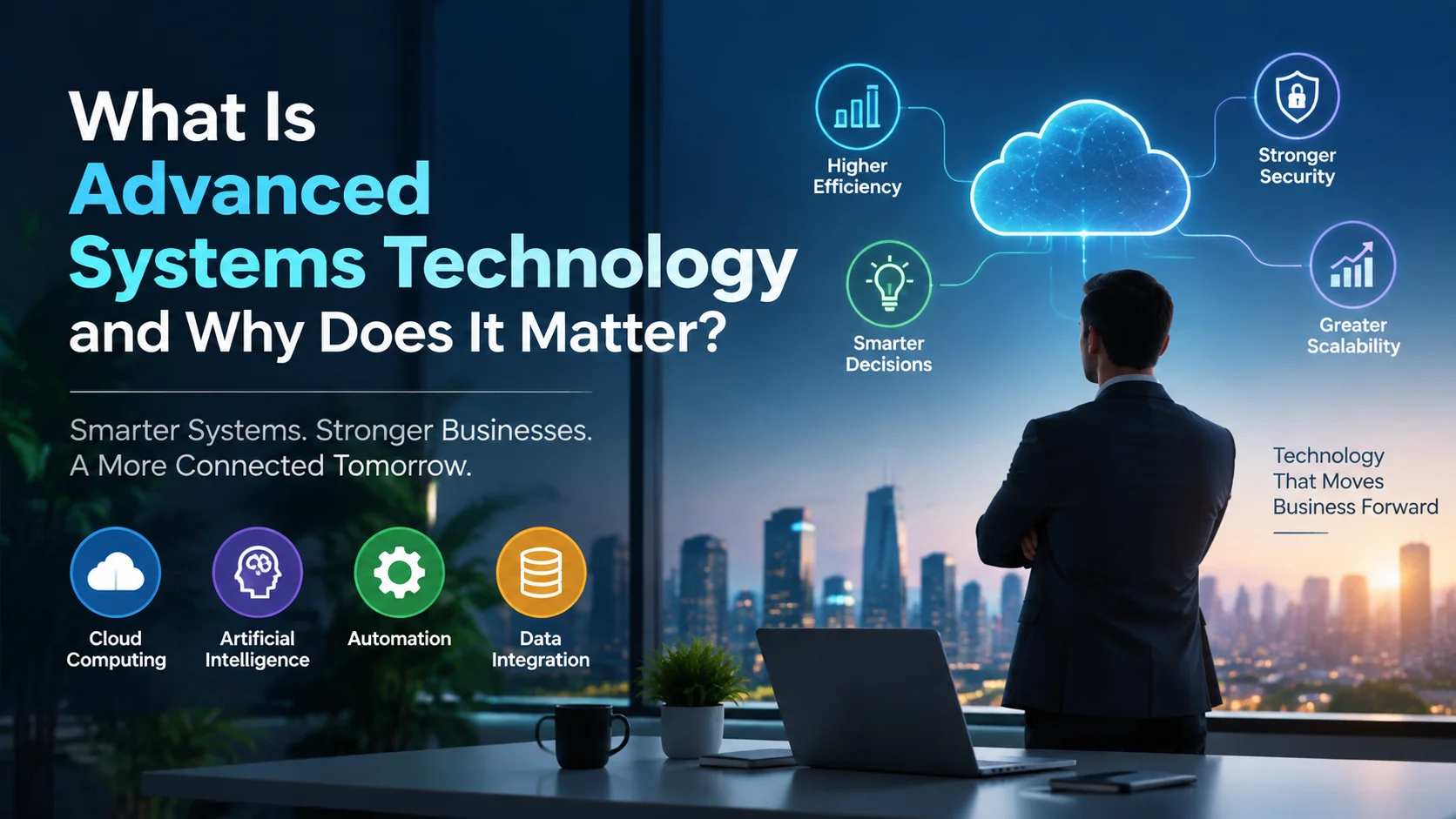
Advanced systems technology refers to integrated digital infrastructure—cloud computing, artificial intelligence, automation, and interconnected data platforms—that helps organizations operate faster, smarter, and more securely than traditional IT setups allow. Businesses adopt it to boost efficiency, scale operations, and stay competitive. This guide covers its core components, benefits, implementation strategies, and real-world applications across industries.
Organizations no longer run on isolated servers and static software. They run on interconnected systems that talk to each other, learn from data, and adjust in real time. This shift has a name: advanced systems technology. It’s the backbone behind everything from instant fraud detection at your bank to predictive maintenance on a factory floor.
As digital transformation accelerates, businesses face a choice. Stick with legacy infrastructure that struggles to keep pace, or invest in systems built for scale, speed, and intelligence. Many are choosing the latter—not because it’s trendy, but because the operational and financial stakes of standing still keep rising.
This post breaks down what advanced systems technology actually means, why organizations are adopting it, and what it looks like in practice. We’ll cover the core components driving these systems, the benefits they deliver, implementation best practices, and how different industries are putting this technology to work. We’ll also address the challenges that come with adoption, because no transformation is without friction.
What Is Advanced Systems Technology?
Advanced systems technology describes the integration of modern computing infrastructure—cloud platforms, artificial intelligence, automation tools, and interconnected data systems—into a unified operational framework. Rather than relying on siloed applications and manual processes, organizations using advanced systems technology connect their tools so data flows freely and decisions happen faster.
Core Components and Defining Characteristics
At its core, advanced systems technology combines several elements: distributed computing power, intelligent automation, real-time data processing, and adaptive architecture. These systems are designed to scale dynamically, respond to changing conditions, and reduce the manual intervention that traditional infrastructure often requires.
Historical Evolution and Modern Applications
Systems technology has evolved considerably. Early enterprise IT relied on centralized mainframes and rigid, on-premises servers. The rise of cloud computing in the 2000s and 2010s decentralized infrastructure, making it more flexible and cost-effective. Today’s advanced systems build on that foundation, layering in artificial intelligence, machine learning, and automated orchestration to create infrastructure that doesn’t just store and process data but actively learns from it.
How It Differs from Traditional Technology Infrastructure
Traditional infrastructure tends to be static, requiring manual updates, fixed capacity planning, and siloed data storage. Advanced systems technology, by contrast, is dynamic. It scales automatically based on demand, integrates data across departments and platforms, and uses automation to handle routine tasks that once required human oversight. The result is infrastructure that adapts to the organization instead of forcing the organization to adapt to it.
What Are the Key Benefits of Advanced Systems Technology?
Organizations invest in advanced systems technology because the returns touch nearly every part of the business, from day-to-day operations to long-term strategy.
Enhanced Operational Efficiency and Automation
Automation eliminates repetitive manual tasks, freeing employees to focus on higher-value work. Advanced systems can handle everything from routine data entry to complex workflow orchestration, reducing errors and speeding up processes that once took days.
Improved Data Processing and Real-Time Analytics Capabilities
Advanced systems technology enables organizations to process and analyze data as it’s generated, rather than waiting for batch reports. Real-time analytics means decision-makers can respond to trends, risks, and opportunities as they emerge, not after the fact.
Scalability and Flexibility for Growing Organizations
Cloud-based, distributed architecture allows systems to expand or contract based on demand. A retailer preparing for a holiday sales surge, for example, can scale computing resources up temporarily without investing in permanent infrastructure.
Cost Savings Through Optimization and Resource Management
By automating resource allocation and reducing reliance on physical infrastructure, advanced systems technology often lowers operational costs over time. Organizations pay for what they use rather than maintaining excess capacity for peak demand that rarely materializes.
Better Security and Compliance Features
Modern systems are built with security embedded into their architecture, not bolted on afterward. This includes encryption, automated threat detection, and compliance monitoring that helps organizations meet regulatory requirements across industries like finance and healthcare.
What Are the Core Components and Technologies Behind Advanced Systems?
Understanding the building blocks of advanced systems technology helps clarify why it delivers the benefits organizations seek.
Cloud Infrastructure and Distributed Systems
Cloud computing forms the foundation of most advanced systems. Distributed infrastructure spreads workloads across multiple servers and locations, improving reliability and reducing the risk of a single point of failure.
Artificial Intelligence and Machine Learning Integration
AI and machine learning allow systems to identify patterns, predict outcomes, and automate decision-making. These technologies power everything from recommendation engines to predictive maintenance schedules.
Advanced Data Management and Analytics Platforms
Modern data platforms consolidate information from multiple sources, making it accessible and actionable. This eliminates data silos and gives teams a unified view of operations.
API-Driven Architecture and Microservices
Application programming interfaces (APIs) and microservices allow different software components to communicate seamlessly. This modular approach makes it easier to update or replace individual system components without overhauling the entire infrastructure.
Cybersecurity Frameworks and Protocols
Robust cybersecurity is non-negotiable in advanced systems. Frameworks like zero-trust architecture and continuous monitoring protocols help organizations defend against increasingly sophisticated threats.
How Should Organizations Implement Advanced Systems Technology?
Adopting advanced systems technology isn’t a single event. It’s a phased process that requires careful planning and organizational buy-in.
Assessing Organizational Readiness and Current Infrastructure
Before implementing new systems, organizations should evaluate their existing infrastructure, identify gaps, and determine which legacy components can integrate with new technology and which need replacement.
Developing a Phased Implementation Strategy
Choose a phased rollout over a single implementation if minimizing disruption matters more than speed. Phased strategies allow teams to test systems in controlled environments, address issues early, and build confidence before scaling company-wide.
Training and Change Management for Team Adoption
Technology adoption succeeds or fails based on how well employees adapt to it. Comprehensive training programs and clear change management strategies help teams understand new systems and reduce resistance to change.
Monitoring Performance Metrics and KPIs
Tracking key performance indicators—system uptime, processing speed, error rates, cost savings—helps organizations measure whether their investment is delivering expected results.
Continuous Optimization and Updates
Advanced systems technology isn’t static. Regular updates, performance tuning, and optimization ensure systems continue to meet evolving business needs and security standards.
How Is Advanced Systems Technology Used Across Different Industries?
The application of advanced systems technology varies by sector, but the underlying goal remains the same: using intelligent, connected infrastructure to solve industry-specific challenges.
Financial Services and Fintech Solutions
Banks and fintech companies use advanced systems for real-time fraud detection, automated risk assessment, and personalized customer experiences. Machine learning models flag suspicious transactions instantly, reducing losses and improving customer trust.
Healthcare and Medical Data Systems
Healthcare organizations rely on advanced systems to manage patient data securely, support diagnostic tools, and coordinate care across providers. Real-time data sharing between systems improves patient outcomes and reduces administrative burden.
E-commerce and Retail Optimization
Retailers use advanced systems technology for inventory management, personalized recommendations, and dynamic pricing. These systems process customer behavior data to optimize the shopping experience in real time.
Manufacturing and IoT Integration
Manufacturers deploy Internet of Things (IoT) sensors connected to advanced systems for predictive maintenance, quality control, and supply chain visibility. This reduces downtime and improves production efficiency.
Enterprise Resource Planning Modernization
Organizations modernizing their enterprise resource planning (ERP) systems integrate advanced technology to unify finance, HR, and supply chain data, replacing fragmented legacy systems with a single, connected platform.
What Challenges Come with Adopting Advanced Systems Technology?
Despite its benefits, implementing advanced systems technology comes with real challenges that organizations need to plan for.
Integration with Legacy Systems
Many organizations still rely on legacy infrastructure that wasn’t designed to connect with modern systems. Bridging this gap often requires custom integration work or a gradual migration strategy.
Addressing Skill Gaps and Talent Acquisition
Advanced systems require specialized skills in cloud architecture, AI, and cybersecurity. Organizations often face talent shortages, making training and strategic hiring essential parts of any implementation plan.
Managing Complexity and Technical Debt
As systems become more interconnected, complexity increases. Without careful management, this can lead to technical debt—shortcuts and quick fixes that create bigger problems down the line.
Ensuring Data Privacy
With more data flowing through interconnected systems, protecting privacy becomes more difficult. Organizations need strong governance policies and technical safeguards to comply with regulations and maintain customer trust.
Where Should Organizations Go from Here?
Advanced systems technology isn’t a one-time upgrade. It’s an ongoing commitment to building infrastructure that adapts as fast as the business around it. Organizations that approach adoption strategically—starting with a clear assessment of readiness, followed by phased implementation and continuous optimization—position themselves to capture the efficiency, scalability, and security benefits these systems offer.
The organizations that hesitate risk falling behind competitors who are already using intelligent, connected infrastructure to move faster and serve customers better. The path forward starts with understanding where your current systems fall short and identifying which advanced technologies will close that gap most effectively.
Frequently Asked Questions
What is the difference between advanced systems technology and traditional IT infrastructure?
Traditional IT infrastructure is typically static, requiring manual scaling and maintenance. Advanced systems technology is dynamic, using cloud computing, automation, and AI to scale resources and process data in real time.
How much does it cost to implement advanced systems technology?
Costs vary significantly based on organizational size, existing infrastructure, and the scope of implementation. Cloud-based models often reduce upfront costs by shifting spending from capital expenses to operational expenses based on usage.
How long does it take to implement advanced systems technology?
Implementation timelines depend on the complexity of the organization’s existing systems and the scope of the rollout. A phased approach, which most organizations use to minimize disruption, can take anywhere from several months to a few years for full-scale adoption.
What industries benefit most from advanced systems technology?
Financial services, healthcare, e-commerce, manufacturing, and enterprises undergoing ERP modernization all see significant benefits, though the specific applications differ by industry.
What are the biggest risks of adopting advanced systems technology?
The primary risks include integration challenges with legacy systems, skill gaps among staff, increased technical complexity, and data privacy concerns. Addressing these risks requires careful planning, training, and strong governance policies.