Reviewed and last updated on October 24, 2026 by Awais Ahmed, Founder & Editor-in-Chief, Urban Scope News.
Say you are scrolling through a drinks feed on a quiet evening. A caption mentions babeltee, a handful of comments ask what it actually is, and every reply seems to say something different. One person calls it bubble tea with a new spelling, another describes a fruit and herb tea, and a third has never come across the word at all. That small moment of confusion is exactly why so many people now type it into a search bar.
Babeltee is an informal online term most often linked with customisable tea drinks, where the tea base, flavours, sweetness and toppings are chosen to suit the drinker. It is not a traditional tea, a standardised recipe or a confirmed brand, and its exact meaning depends on where the word appears. The rest of this guide explains what the term usually refers to, what such a drink can contain, how it compares with bubble tea and how to make a simple version at home.
What Is Babeltee?
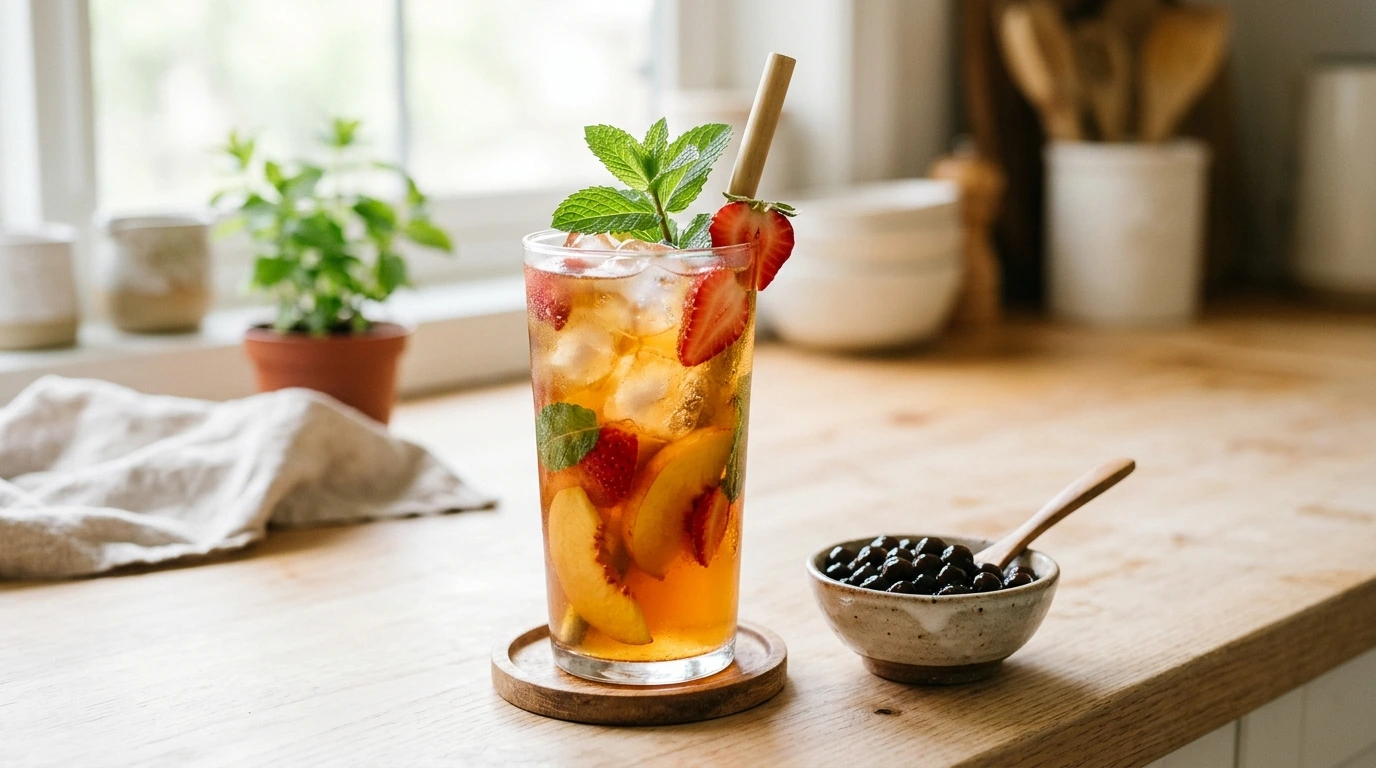
In most beverage content, babeltee describes a flexible approach to tea rather than one fixed drink. A brewed tea forms the base, and everything else is a matter of preference: fruit for freshness, herbs for aroma, milk or a plant-based alternative for creaminess, and a sweetener if wanted. Some versions are served hot, others over ice, and some borrow toppings from bubble tea culture.
The word itself is used loosely. Its spelling sits very close to bubble tea, so some people who type it into a search engine may simply be looking for boba. Other pages attach it to wellness, translation or lifestyle themes that have little to do with a drink. Because no recognised authority has defined it, two articles describing babeltee can disagree on almost every detail.
For that reason, the most accurate description is an emerging, loosely defined tea-related term. A drink sold or shared under that name should be judged by its actual recipe and ingredients, not by the word on the menu.
Why the Meaning of Babeltee Keeps Changing
A few online pages suggest the name plays on the biblical Babel, a symbol of many languages, combined with the word tea, and that the drink is meant to blend flavours from different tea traditions. That reading is an interpretation. There is no documented inventor, founding date or original recipe behind the word, and claims of that kind should be treated with caution unless a reliable source backs them up.
The same applies to the question of whether babeltee is a brand. There is no sign of one company or product that owns the name, and the term shows up across unrelated sites with different meanings. If a café or retailer does sell something called babeltee, its own ingredient list, nutritional information and allergen details are the only dependable guide to what is in the cup.
This lack of a fixed definition is not a flaw so much as a feature of how new search terms spread. A word gains attention, writers describe it in their own way, and the descriptions multiply before any shared meaning settles. Until one does, an honest explanation has to say what is known and what is not.
What Goes Into a Babeltee-Style Drink
There is no official ingredient list, because there is no standard recipe. What follows is a guide to the building blocks commonly used in customisable tea drinks, not a definition.
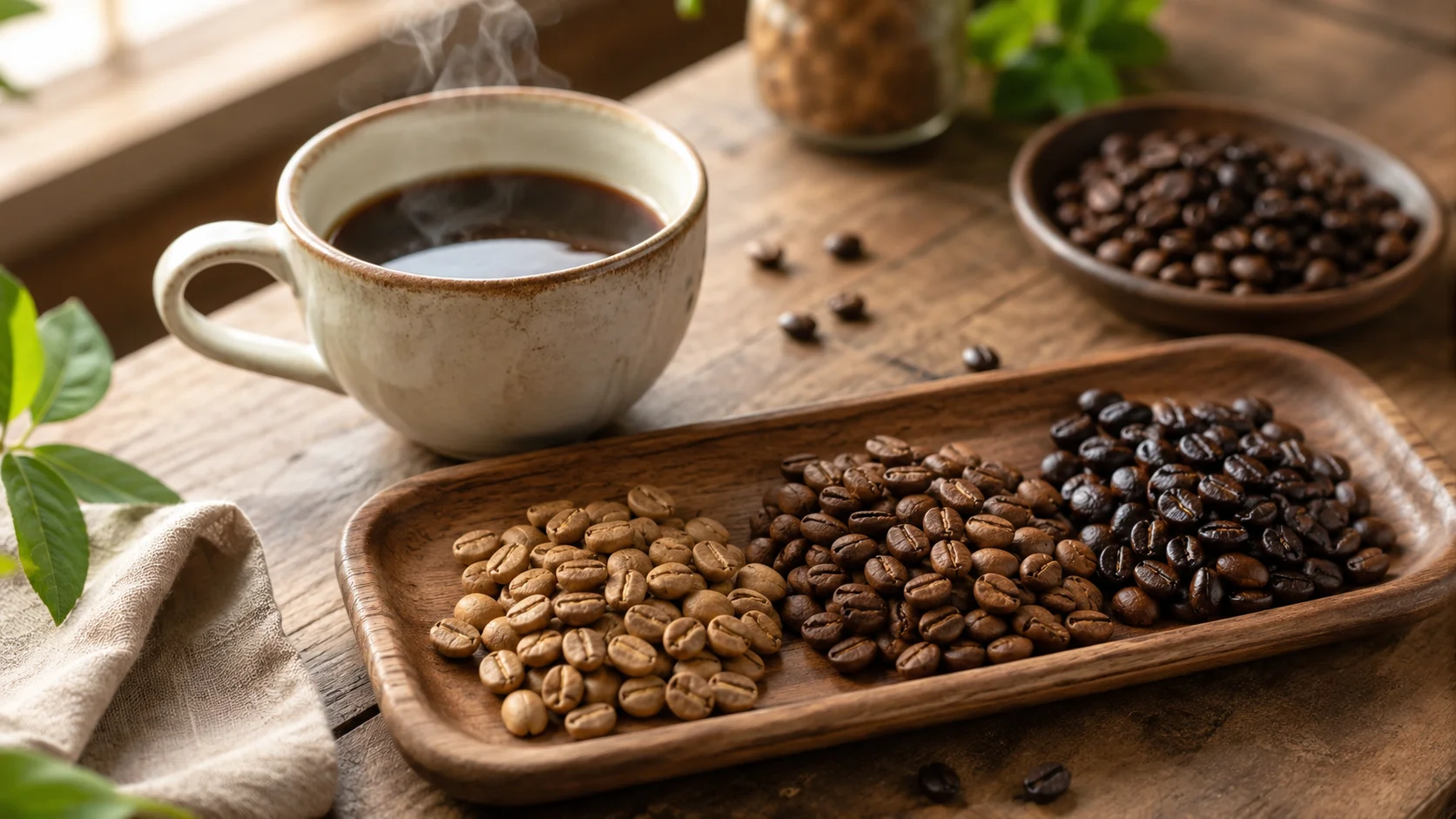
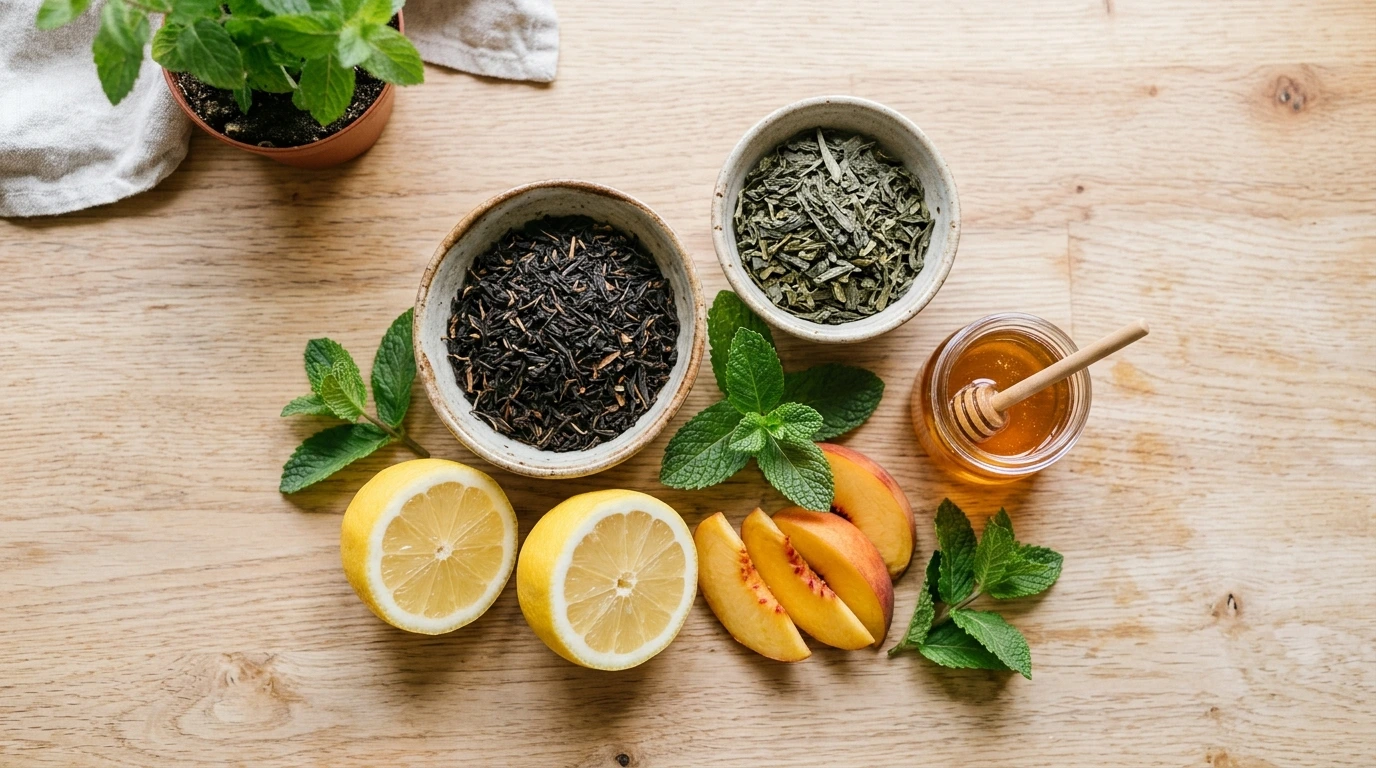
The tea base shapes the character of the drink. True teas all come from the same plant, Camellia sinensis, and, as Britannica explains, they are classified by how their leaves are processed, which is why black tea tastes fuller and more robust, green tea lighter and more vegetal, and oolong sits somewhere in between depending on its oxidation and roasting. Jasmine tea, a scented green tea, adds a floral note. Herbal infusions such as peppermint or rooibos are not technically tea, but they are often used by people who prefer to avoid caffeine.
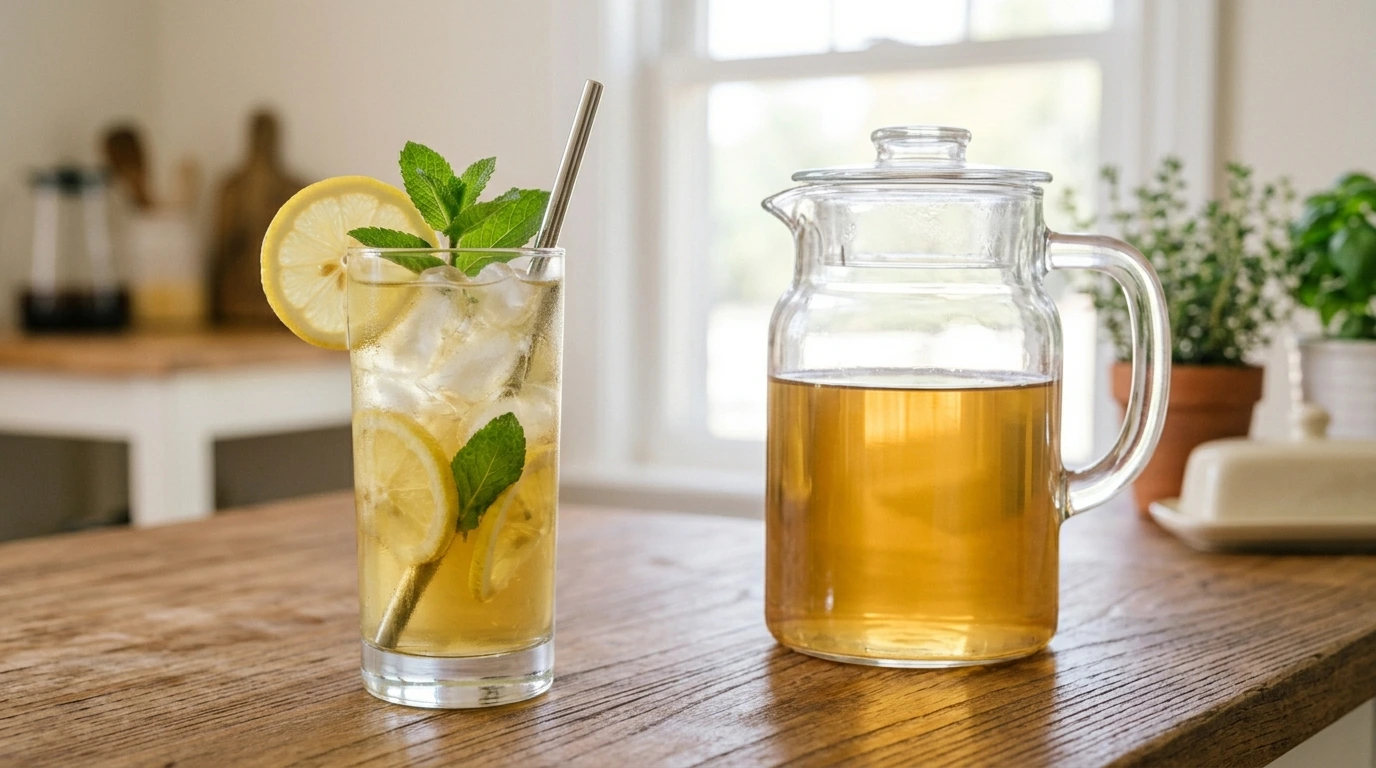
Fruit brings sweetness, acidity and colour. Peach, mango, strawberry, lemon and mixed berries are all common choices, and they can be sliced, muddled or used as a purée. Fresh mint, basil or ginger can add aroma without making the preparation complicated.
Milk or a plant-based alternative gives a creamier texture, while honey, sugar or flavoured syrups raise the sweetness for anyone who wants it. Tapioca pearls, fruit jelly or popping boba can be added for texture, though none of them is required. A pot of green tea with lemon and mint is as valid a customisable tea as a milky drink with several toppings.
Babeltee and Bubble Tea: Where They Overlap and Where They Part
Bubble tea is a well-documented drink with a traceable history, and that is the clearest difference between the two. Reporting by National Geographic Traveller places the first versions of the drink in Taiwan during the 1980s. Two tea houses, Chun Shui Tang in Taichung and Hanlin Tea Room in Tainan, both claim to have invented it in 1986, and a court eventually ruled that the question of who was first did not matter because the drink was never patented. Even for a drink that famous, the exact origin is disputed.
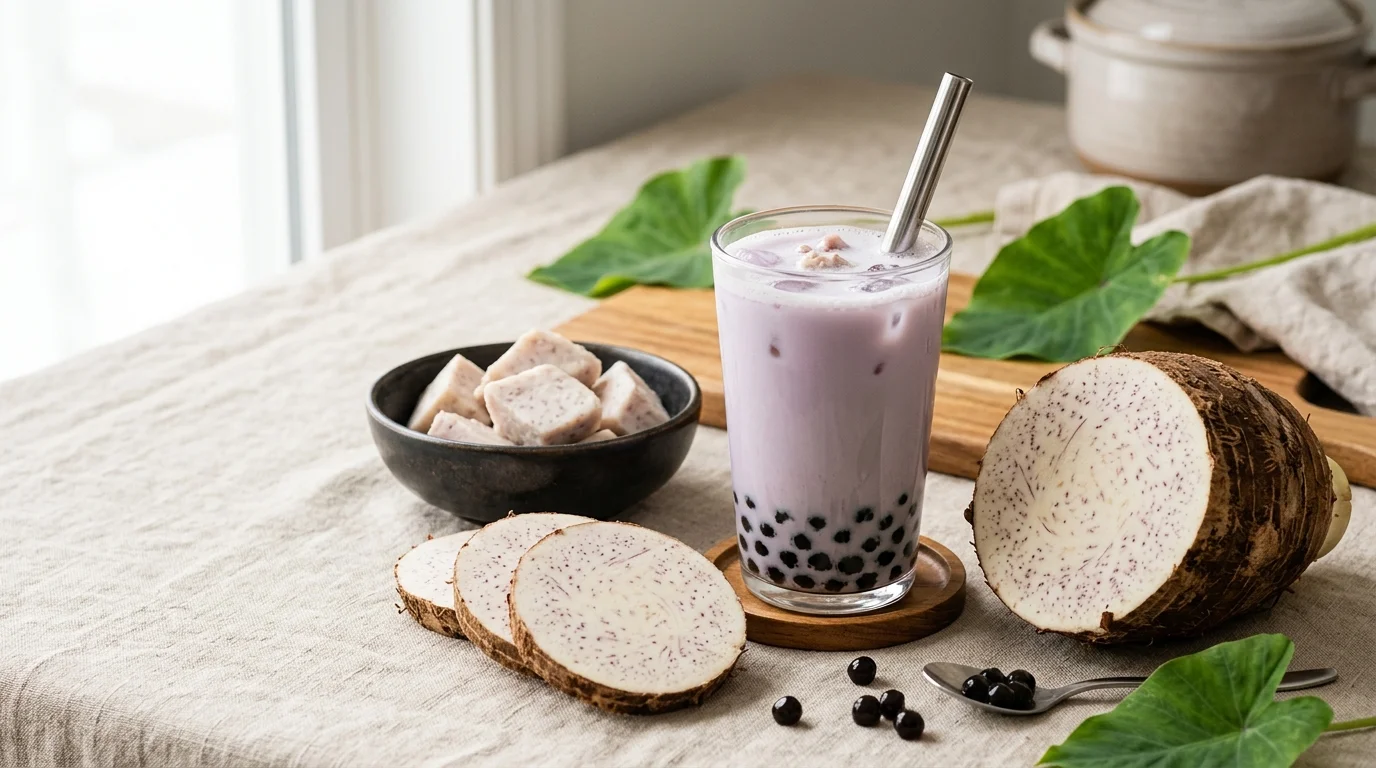
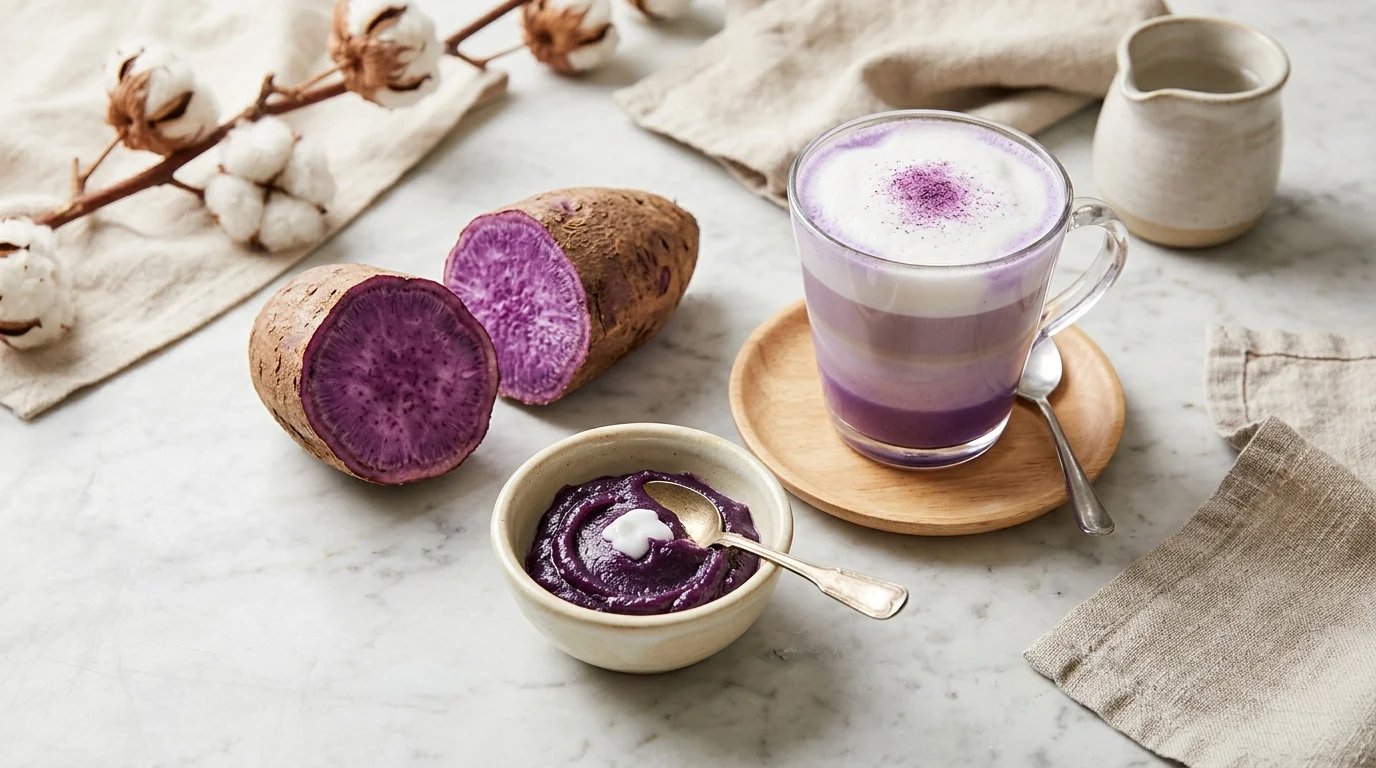
Early bubble tea was iced milk tea with tapioca pearls, which are made from cassava starch and brown sugar. Today the category stretches to fruit teas, jasmine and oolong bases, plant-based milks and many kinds of topping. Café menus built around it often feature flavours such as taro-based milk teas, and the purple yam ube has joined them in recent years.
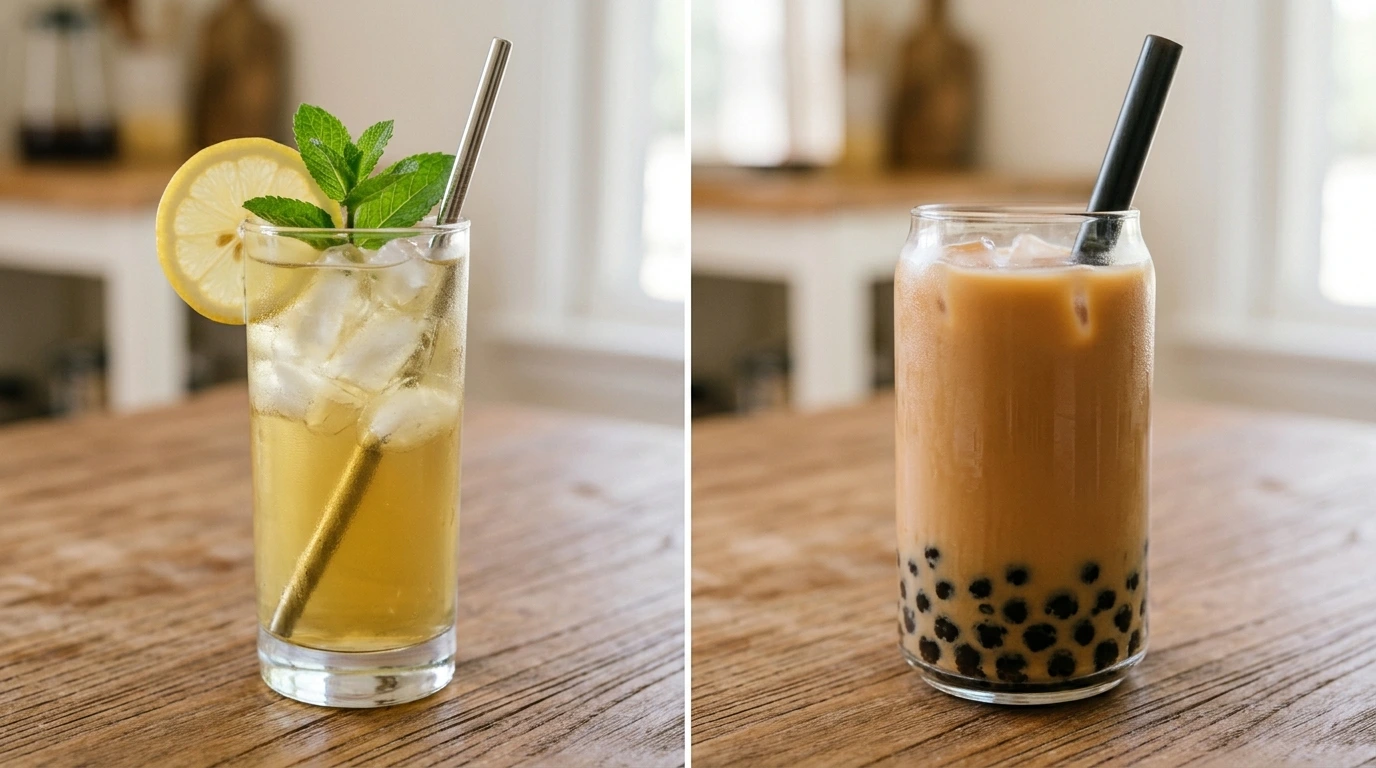
Babeltee has no equivalent documented identity. The two can overlap, since a babeltee-style drink might include pearls, milk or popping boba, but they do not need to. A glass of cold green tea with peach and mint fits the customisable idea perfectly well while having nothing in common with bubble tea apart from the tea. Nothing reliable supports treating babeltee as an official alternative name for bubble tea.
The simplest way to remember it: bubble tea is a recognised drink category, and babeltee is an informal term whose meaning depends on the writer.
How to Make a Babeltee-Style Drink at Home
Because no recipe is official, treat this as one simple example rather than a traditional method. It makes a single serving.
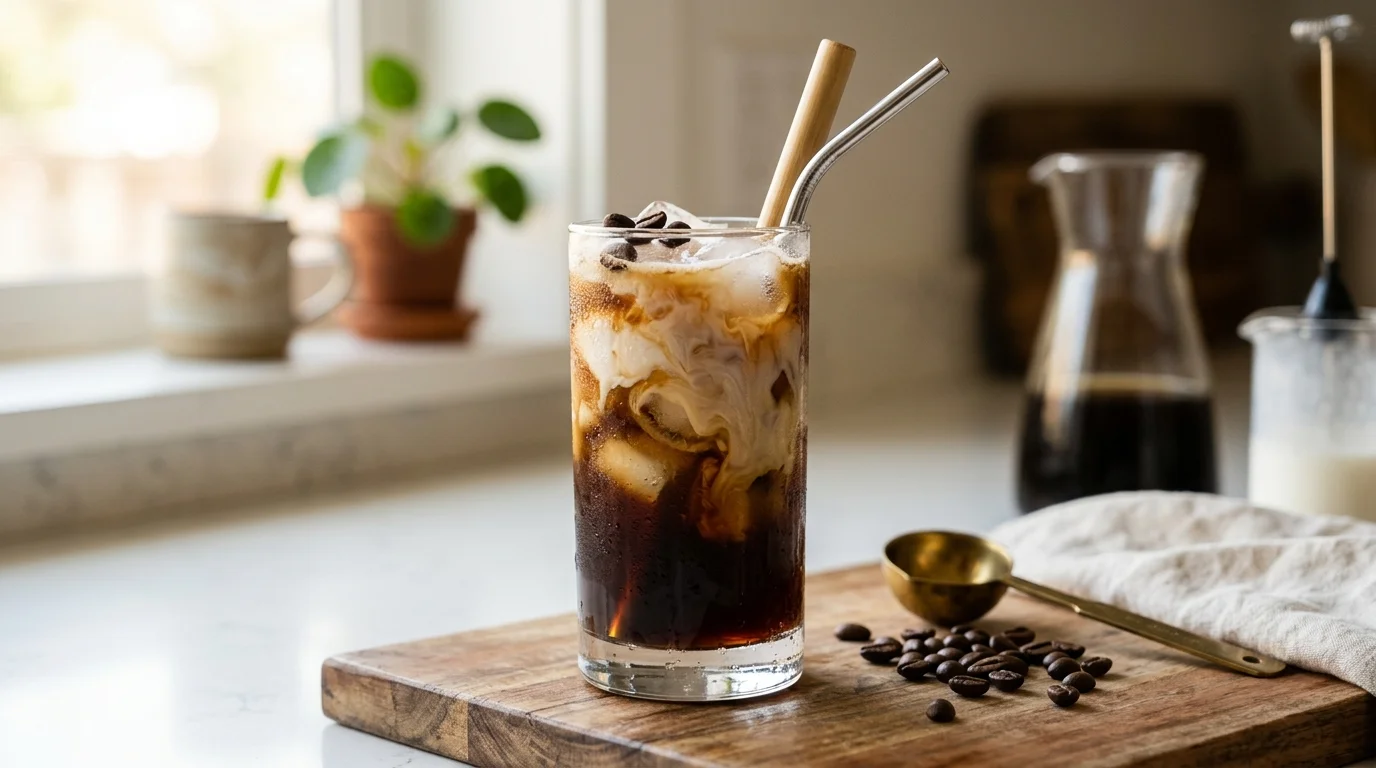
Start by brewing about 200 to 250 ml of your chosen tea, following the instructions on the pack, since green tea generally prefers cooler water than black tea. If you plan to serve the drink over ice, brew it slightly stronger than you would normally drink it and let it cool first. Pouring hot tea straight over ice waters the flavour down quickly, the same principle behind cooling a strong brew before adding ice when making iced coffee at home.
Add a few slices of fresh fruit, such as lemon, peach or strawberry, and a small sprig of mint. Stir gently and give the flavours a few minutes to combine before tasting. If you want more sweetness, add honey, sugar or syrup a little at a time. For a creamy version, stir in milk or an unsweetened plant-based alternative, and serve over ice if you prefer it cold.
Toppings are optional. If you use tapioca pearls, cook them exactly as the manufacturer directs rather than adding them straight from the packet, and serve them soon after cooking, because freshly made pearls keep for only a day or two.
The most useful habit is to change one ingredient at a time. That makes it easy to see what each addition does to the flavour without drowning the tea.
Is a Babeltee-Style Drink Healthy?
Nothing about the name makes a drink healthy. Its nutritional value depends on what goes into it, how large the serving is and how much sugar is added. Unsweetened tea with a little fruit is a modest drink, while a large serving with syrup, condensed milk and sweet toppings can contain a good deal of sugar and calories.
NHS advice on drinks and hydration counts tea and lower-sugar drinks towards daily fluid intake, recommends drinking caffeine in moderation and warns against having drinks high in sugar too often. It also advises limiting caffeine to 200 mg a day during pregnancy. These points apply directly to any sweetened tea drink, homemade or bought.
Caffeine is worth keeping in mind because black, green and oolong teas all contain it, in amounts that vary with the tea, the strength of the brew and the serving size. Many herbal infusions are caffeine-free, although blended products should be checked. Anyone with a medical condition or specific dietary needs should check the ingredients carefully, and ready-made drinks should be judged from the label rather than the name.
A few small changes keep a homemade version lighter: use less added sugar, rely on fruit for sweetness, and keep the serving a sensible size.
Why People Keep Searching for Babeltee
Part of the answer is simple curiosity. People regularly meet unfamiliar drink names through articles, social media and search suggestions, and a word that looks like bubble tea but is not quite the same invites a closer look. Customisable drinks also appeal because they let anyone experiment at home with a familiar base such as tea, changing the result through fruit, spice, milk or temperature.
Search visibility alone does not prove that a drink is established, though. Interest in a new word can reflect curiosity about the word as much as demand for a product, which is why this guide describes babeltee as it is currently used, without claiming a history it does not have.
Frequently Asked Questions About Babeltee
What does babeltee mean?
Babeltee is an informal online term commonly linked with customisable tea-based drinks. It has no single accepted definition, and its meaning changes with the context in which it appears.
Is babeltee a real drink?
People can and do make and describe customised tea drinks under that name, but the term does not identify a standardised beverage with one recognised recipe. The ingredients depend on the particular version.
Is babeltee the same as boba tea?
Not necessarily. Boba tea, also called bubble tea, is an established drink usually made with tea and chewy tapioca pearls. Babeltee is a looser term that may describe customisable tea drinks, including some that resemble boba.
What ingredients are commonly used in a babeltee-style drink?
Common choices include black or green tea, fruit, herbs, spices, milk or plant-based alternatives, sweeteners and optional toppings. None of these is mandatory, and the list is not an official recipe.
Can it be made without milk or sugar?
Yes. Brewed tea with fruit, herbs and ice works well without either, and the result depends on the tea base and the flavours chosen.
Does it contain caffeine?
That depends on the ingredients. Black, green and oolong tea contain caffeine, while many herbal infusions do not. A ready-made drink may include other caffeinated ingredients, so check the label.
Where did babeltee originate?
There is no reliable record of a definitive inventor, place of origin or original recipe. Claims about its origins should be treated cautiously.
Final Thoughts
Babeltee shows how an unfamiliar word can pick up several meanings in a short time. In drink-related content it is most often tied to personalised tea made from a tea base, fruit, herbs and optional extras, and that flexibility makes the idea easy to try at home.
What it does not have, at least not yet, is a verified definition, a standard recipe or a documented history like bubble tea. Anyone curious can start with one tea they enjoy, add a single complementary flavour and adjust from there, while reading the ingredients on any ready-made version before assuming anything about its nutrition. As the term settles, its meaning may become clearer. Until then, understanding the context is the best way to tell what babeltee describes from what remains unproven.