Reviewed and last updated on September 11, 2026 by Awais Ahmed, Founder & Editor-in-Chief, Urban Scope News.
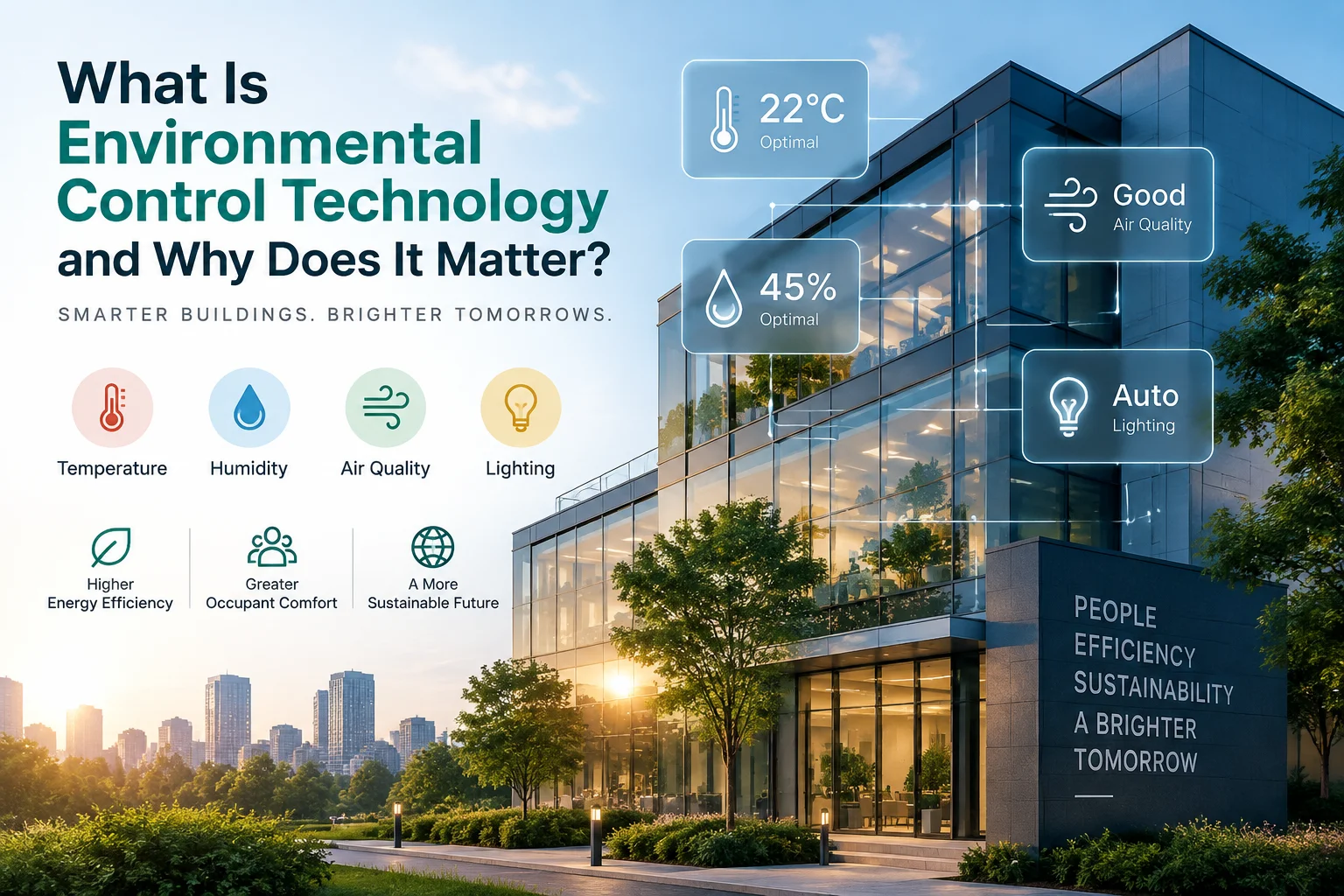
Environmental control technology refers to integrated systems—sensors, automation, and smart controls—that manage temperature, humidity, air quality, and lighting in buildings. It improves energy efficiency, occupant comfort, and sustainability by replacing manual adjustments with automated, data-driven responses. Industries from healthcare to manufacturing rely on it to cut costs and reduce environmental impact.
Buildings consume roughly 40% of global energy, and a significant share of that goes toward heating, cooling, and lighting spaces that often sit empty or poorly regulated. Environmental control technology exists to close that gap. It’s the framework of sensors, software, and automated devices that keeps indoor spaces comfortable while using resources more intelligently than traditional systems ever could.
This isn’t just about thermostats anymore. Modern environmental control systems monitor air quality in real time, adjust lighting based on occupancy, and communicate with broader building management platforms to optimize performance across an entire facility. The technology sits at the intersection of comfort, efficiency, and sustainability—three priorities that used to compete with each other but now increasingly work together.
This post breaks down what environmental control technology actually involves, the core components that make it function, and the benefits organizations and homeowners can expect. We’ll also look at how different industries apply this technology, the trends shaping its future, and the challenges that come with adopting it.
What Is Environmental Control Technology?
Environmental control technology encompasses the systems and devices used to regulate indoor conditions, including temperature, humidity, air quality, and lighting. Rather than relying on fixed settings or manual adjustments, these systems use sensors and automation to respond to real-time conditions and occupant needs.
How Environmental Control Systems Have Evolved
Early environmental control was entirely manual. Someone had to walk over to a thermostat, flip a switch, or open a window. The 20th century introduced programmable thermostats and centralized HVAC controls, which reduced some of that manual burden but still relied on preset schedules rather than actual conditions.
Smart automation changed the equation. Today’s systems pull data from multiple sensors—temperature, humidity, occupancy, air quality—and adjust conditions dynamically. Instead of following a fixed schedule, a modern system might lower the temperature in an empty conference room and raise it again the moment someone books that room for a meeting.
How It Differs from Traditional HVAC
Traditional HVAC and climate control systems focus narrowly on heating and cooling, often operating on set schedules regardless of actual occupancy or conditions. Environmental control technology takes a broader view, integrating air quality monitoring, lighting, humidity regulation, and ventilation into one coordinated system. Environmental control technology treats the building as a connected ecosystem, where traditional HVAC treats each function in isolation.
What Are the Key Components of Environmental Control Systems?
Understanding the building blocks of environmental control technology clarifies how these systems deliver such precise, responsive management of indoor conditions.
Thermostats and Temperature Sensors
Smart thermostats and distributed temperature sensors form the foundation of most systems. Rather than relying on a single reading from one location, modern setups place sensors throughout a building to capture more accurate, zone-specific data.
Humidity and Air Quality Monitoring Devices
Humidity sensors and air quality monitors track moisture levels and pollutants like carbon dioxide, volatile organic compounds, and particulate matter. This data feeds into automated responses, such as triggering ventilation when air quality drops below a set threshold.
Automated Ventilation and Filtration Systems
Automated ventilation systems adjust airflow based on real-time air quality data, while filtration systems remove contaminants before air recirculates through a space. Together, these components help maintain healthier indoor environments without requiring constant manual oversight.
Smart Lighting and Occupancy Controls
Occupancy sensors detect when a space is in use and adjust lighting accordingly, reducing energy waste in unoccupied rooms. Many systems also factor in natural light levels, dimming or brightening artificial lighting to maintain consistent illumination.
Integration with Building Management Systems
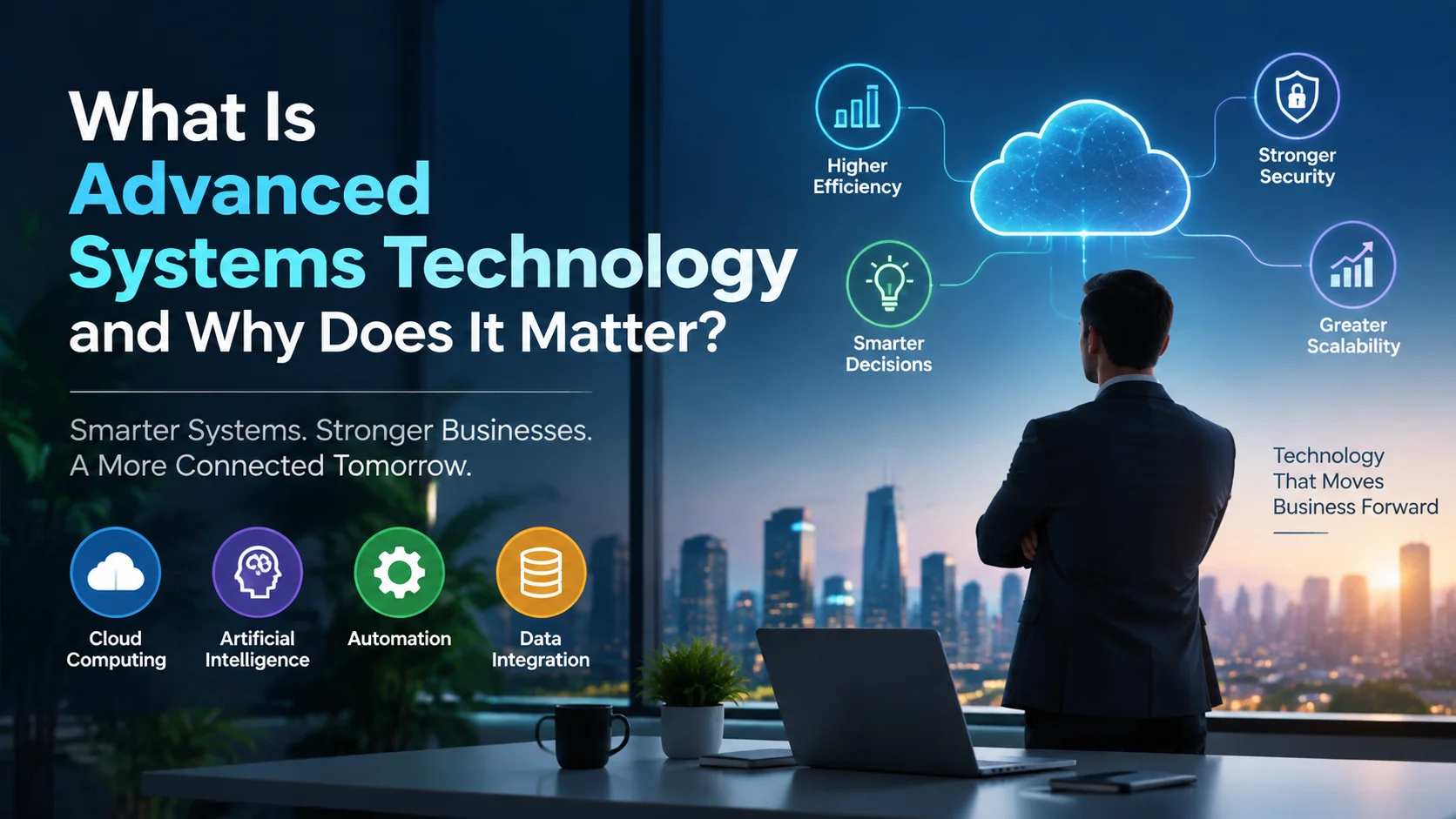
The most effective environmental control setups don’t operate in isolation—they connect to broader building management systems (BMS) that coordinate HVAC, lighting, security, and other operational functions from a single platform. This integration mirrors a broader shift happening across industries, where organizations are moving away from siloed tools toward advanced systems technology that connects data and automation across an entire operation.
What Are the Benefits of Environmental Control Technology?
Organizations and homeowners adopt environmental control technology because the advantages extend well beyond simple comfort.
Energy Efficiency and Cost Savings
By responding to actual conditions rather than fixed schedules, environmental control systems reduce energy waste significantly. Heating an empty building or over-cooling a room nobody’s using adds up fast, and automated systems eliminate much of that inefficiency.
Improved Indoor Air Quality and Occupant Health
Continuous air quality monitoring and automated filtration help maintain healthier indoor environments, reducing exposure to pollutants and allergens. This matters especially in spaces like schools, offices, and healthcare facilities where occupant health is a top priority.
Enhanced Comfort and Productivity in Workspaces
Consistent temperature and air quality translate directly into occupant comfort. Research on workplace environments consistently links comfortable conditions to improved focus and productivity, making environmental control technology a practical investment for employers, not just a convenience.
Reduced Carbon Footprint and Environmental Impact
Efficient energy use directly reduces a building’s carbon footprint. Choose environmental control technology over traditional fixed-schedule systems if lowering emissions matters as much as cutting costs, since the two goals typically move together with smart automation.
Remote Monitoring and Control Capabilities
Cloud-connected environmental control systems let facility managers monitor and adjust conditions from anywhere, whether that’s checking on a vacation rental’s temperature or adjusting a commercial building’s ventilation from a smartphone.
How Is Environmental Control Technology Used Across Different Industries?
Different sectors apply environmental control technology in ways suited to their specific operational needs.
Commercial Buildings and Office Spaces
Office buildings use environmental control systems to balance comfort with energy costs, especially in spaces with fluctuating occupancy throughout the day and week.
Residential Homes and Smart Apartments
Smart thermostats and connected humidity sensors have become common in homes, giving residents granular control over comfort while reducing utility bills.
Healthcare Facilities and Laboratories
Hospitals and laboratories require precise environmental control to maintain sterile conditions, regulate temperature-sensitive equipment, and protect vulnerable patients from airborne contaminants.
Manufacturing and Industrial Environments
Manufacturing facilities rely on environmental control to protect sensitive equipment and materials from temperature and humidity fluctuations that could compromise product quality.
Data Centers and Server Rooms
Data centers depend heavily on environmental control to prevent equipment overheating. Even small temperature fluctuations can affect server performance and longevity, making precise climate regulation essential.
What Emerging Trends Are Shaping Environmental Control Technology?
Environmental control technology continues to evolve as new tools and approaches emerge.
AI-Powered Predictive Analytics for System Optimization
Artificial intelligence increasingly powers predictive maintenance and optimization within environmental control systems, identifying patterns that allow for proactive adjustments before problems occur.
IoT Integration for Seamless Device Connectivity
The Internet of Things connects environmental control devices into a unified network, allowing sensors, thermostats, and ventilation systems to share data and coordinate responses automatically.
Machine Learning Algorithms That Learn Occupant Preferences
Some systems now use machine learning to adapt to individual occupant preferences over time, adjusting settings based on patterns in behavior rather than static presets.
Sustainable and Eco-Friendly Control Solutions
Manufacturers are prioritizing eco-friendly materials and energy-efficient designs, aligning environmental control technology with broader sustainability goals.
Integration with Renewable Energy Systems
Environmental control systems increasingly integrate with solar panels and other renewable energy sources, allowing buildings to optimize energy use based on availability from renewable generation.
What Challenges Come with Adopting Environmental Control Technology?
Despite its advantages, implementing environmental control technology involves real considerations that organizations and homeowners need to weigh.
Initial Installation and Implementation Costs
Upfront costs for sensors, automated systems, and integration work can be substantial, particularly for larger buildings or facilities requiring extensive retrofitting.
Cybersecurity and Data Privacy Concerns
Connected environmental control systems collect data and communicate over networks, which introduces cybersecurity risks that require careful attention to encryption and access controls.
Compatibility with Existing Infrastructure
Older buildings may lack the infrastructure needed to support modern environmental control systems, requiring additional investment to bridge the gap between legacy setups and new technology.
Need for Skilled Technicians and Maintenance
Installing and maintaining advanced environmental control systems requires specialized expertise, which can be difficult to source depending on location and demand.
Regulatory Compliance and Building Codes
Environmental control installations must meet local building codes and regulatory standards, which vary by region and can add complexity to implementation timelines.
What Does the Future Hold for Environmental Control Technology?
Environmental control technology is heading toward greater precision, wider adoption, and deeper integration with other systems.
Advancements in Sensor Technology and Automation
Sensor technology continues to improve in accuracy and affordability, making sophisticated environmental control more accessible to a broader range of buildings and budgets.
Greater Emphasis on Sustainability and Net-Zero Buildings
As net-zero building goals become more common, environmental control technology will play a central role in helping structures meet strict energy and emissions targets.
Increased Adoption in Residential Sectors
What started in commercial and industrial settings is steadily moving into residential markets, as smart home technology becomes more affordable and mainstream.
Integration with Smart City Initiatives
Cities exploring smart infrastructure are beginning to incorporate environmental control technology at scale, coordinating energy use across public buildings and infrastructure.
Potential for Carbon-Neutral Environmental Management
Combining environmental control technology with renewable energy integration and AI-driven optimization points toward a future where buildings manage their environmental impact with minimal net emissions.
Where Should You Go from Here?
Environmental control technology has moved well past simple thermostats and manual adjustments. It now represents a coordinated approach to managing temperature, air quality, humidity, and lighting that delivers real benefits: lower energy costs, healthier indoor spaces, and a smaller environmental footprint.
Whether you’re managing a commercial building, running a manufacturing facility, or simply looking to make your home more efficient, the right environmental control system can address the specific challenges your space faces. The technology keeps advancing, and the tools available today are more accessible and effective than ever.
If you’re considering an upgrade, start by assessing your current setup and identifying where inefficiencies exist. From there, consult with professionals who understand both the technology and the regulatory requirements in your area to build a system that fits your specific needs.
Frequently Asked Questions
How much does environmental control technology cost to implement?
Costs vary widely based on building size, existing infrastructure, and the scope of the system. Simple residential setups may cost a few hundred dollars, while commercial-scale installations with full building management integration can run into the tens of thousands.
How long does it take to install an environmental control system?
Installation timelines depend on the complexity of the system and the building’s existing infrastructure. Residential installations often take a few days, while commercial or industrial rollouts can take several weeks to months, especially when retrofitting older buildings.
What are the main risks of adopting environmental control technology?
The primary risks include cybersecurity vulnerabilities from connected devices, compatibility issues with older infrastructure, and the need for specialized technicians to install and maintain the systems properly.
Which industries benefit most from environmental control technology?
Healthcare, manufacturing, data centers, and commercial office buildings see significant benefits, though residential adoption is growing quickly as smart home technology becomes more affordable.
Is environmental control technology only relevant for large buildings?
No. While commercial and industrial applications are common, residential systems—like smart thermostats and connected air quality monitors—make this technology practical and beneficial for homes of any size.