Reviewed and last updated on November 12, 2026 by Awais Ahmed, Founder & Editor-in-Chief, Urban Scope News.
Innøve is a Norwegian verb meaning to rehearse, or to learn something by repeating it until it becomes familiar. A person might innøve a role for the stage, a speech before delivering it or a sequence of dance steps for a performance. The common thread is preparation: you work on something specific, again and again, so that you can carry it out well when it matters.
Where Norwegians use innøve
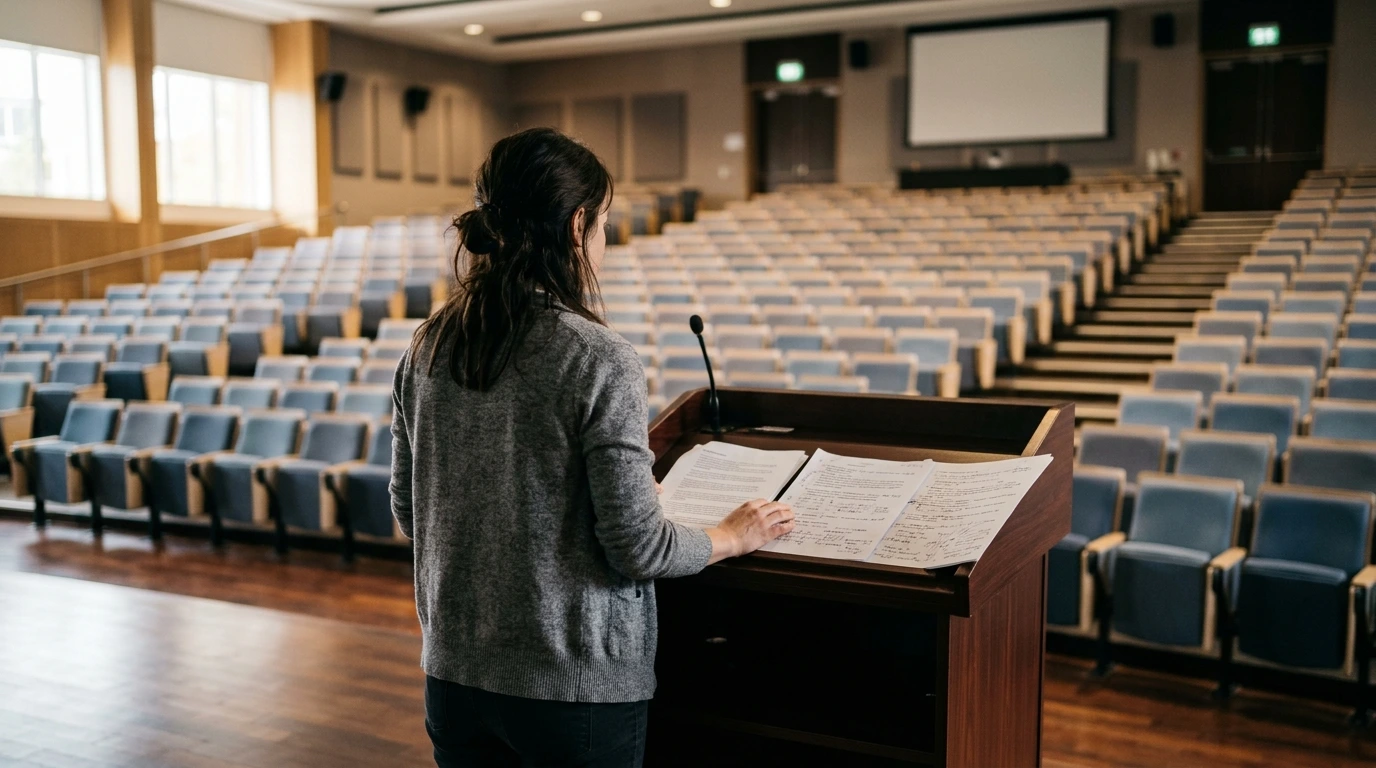
The clearest guide to a word is the examples that dictionaries give for it. The Norwegian Academy Dictionary offers innøve en rolle, en tale as its model phrase, which means to rehearse a role or a speech. Norway’s official Bokmål dictionary takes a different route. Its example describes a theatre group that has rehearsed a new play, and a second example uses the past form as an adjective in innøvde dansetrinn, meaning rehearsed dance steps.
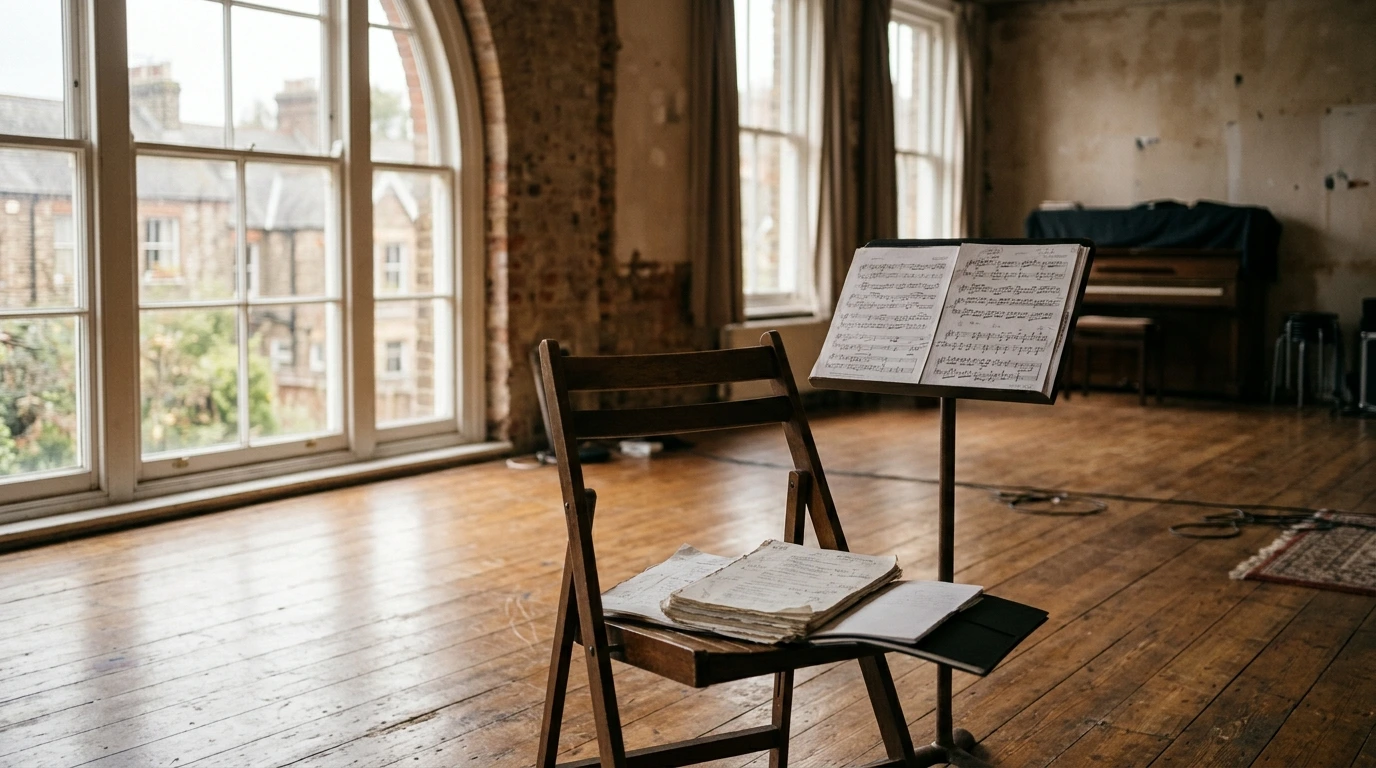
Both entries point to learning with a clear goal. Picture a choir working on a new song. The singers repeat a difficult passage until the notes are secure, then repeat it again until the voices blend. Å innøve en sang would describe that stage well, and to rehearse a song is the natural English match. The Academy dictionary also quotes a line about godt innøvde soli, which means well-rehearsed solos, so the verb sits as comfortably in music as it does in theatre or public speaking.
How innøve relates to øve and øve inn
The verb øve covers practice in general. Jeg øver på piano means I am practising the piano, with no suggestion that anything in particular is being prepared. Add inn and the meaning narrows. The official dictionary defines innøve simply as øve inn, so the one-word and two-word forms carry the same idea, and å innøve et stykke and å øve inn et stykke both mean to rehearse a piece. The Academy dictionary describes the sense as learning something through repeated exercises, which explains why the word is used when there is something to be learned and not just time to be spent.
Norwegian verbs do not change with the person doing the action, so har innøvd can mean has rehearsed or have rehearsed depending on who the sentence is about. The official dictionary’s examples use innøvd and innøvde, while the Academy dictionary gives innøvet, so you may meet either spelling of the past participle. The act of rehearsing has its own nouns as well, innøving and innøvelse, which both appear in the Academy entry.
Pronunciation and origin
The Academy dictionary marks the stress on the first syllable, so the word sounds roughly like IN-ø-ve. The ø is a rounded front vowel, close to the ö in German schön or the vowel in French peu. As a rough guide for English speakers, try the vowel in bird without the r sound and keep your lips rounded. The final e is short and unstressed.
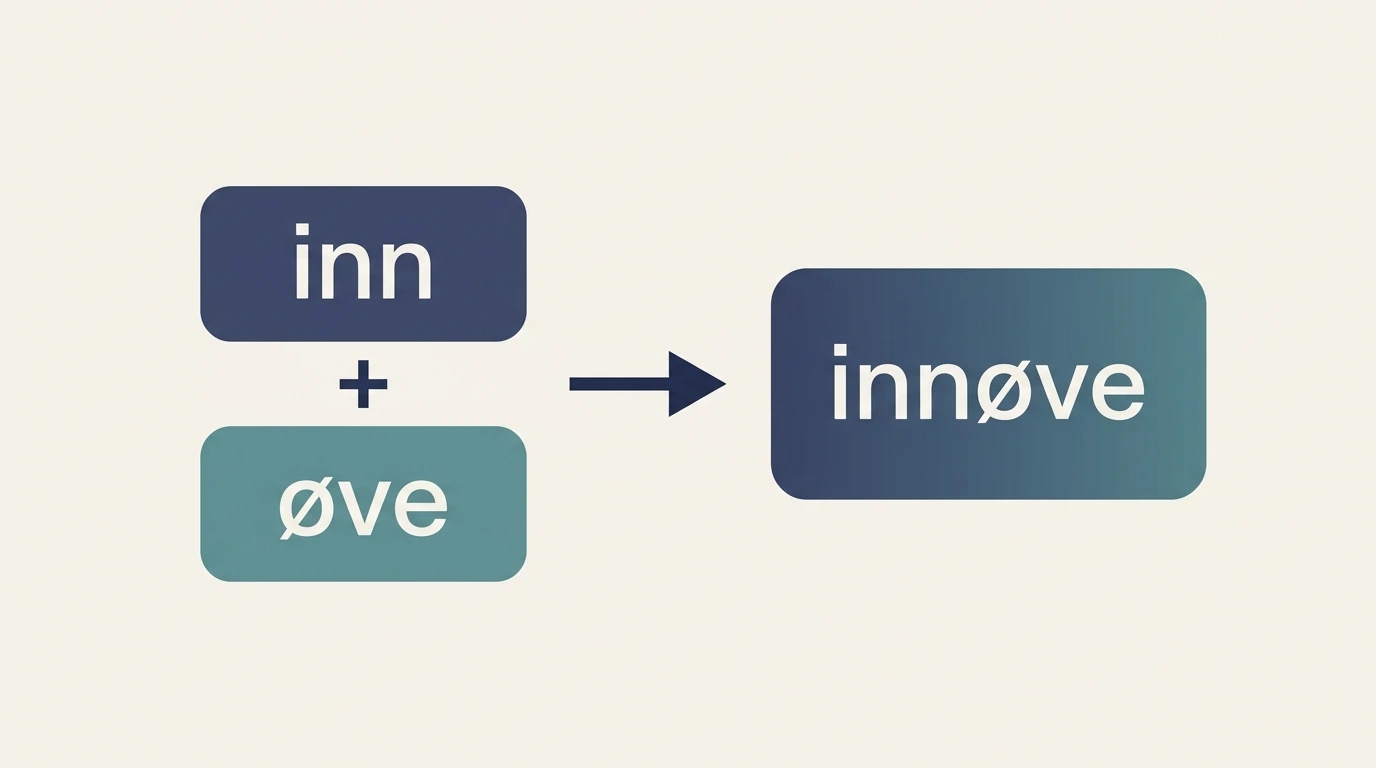
The same entry traces the verb to inn and øve, formed on the model of German einüben, which also means to practise or rehearse. It also marks one older sense as dated, the idea of training someone up in an art or skill, so the meaning readers are most likely to meet today is the learning-by-repetition one.
Spelling and look-alikes
Keep the ø when you write the word. If you come across innove with a plain o, read the surrounding sentence before assuming the Norwegian meaning, because a passage about learning lines or rehearsing music makes the verb far more likely than a passage about business. Norwegian also has innovere, which comes from Latin and means to innovate. It is a separate word with a separate history, and it is the closest relative of the English verb.
Search results add another layer of confusion. A number of low-quality pages present innøve as a mindset, a productivity secret or a clothing brand, usually in promotional language and without citing any source. The reference dictionaries record none of those senses. Unfamiliar words often collect competing explanations online, and a recent look at one such term shows how to separate what is documented from what is simply repeated.
Choosing the right English word
For anything performed in front of others, such as a play, a speech, a song or a dance, to rehearse is the closest English verb. For a skill that is being built up through repetition without an audience in mind, to learn through practice or to practise until familiar keeps the sense more accurately. When you see innøve with its ø in a Norwegian sentence, the safest reading is that someone is working on something specific until they can do it well.