Reviewed and last updated on July 20, 2026 by Awais Ahmed, Founder & Editor-in-Chief, Urban Scope News.
If you have searched for inner city outings you have most likely come across an older name. The programme is now called Sierra Club Inspiring Connections Outdoors, usually shortened to ICO. It still does the same core job it always has. It takes young people who would not otherwise get the chance into the outdoors, and it removes the practical barriers that usually stop that from happening.
This guide explains what the programme is, why the name changed, what a typical trip looks like, how volunteering works, and what cities outside the United States, including here in Britain, can take from the model.
What is Inner City Outings?
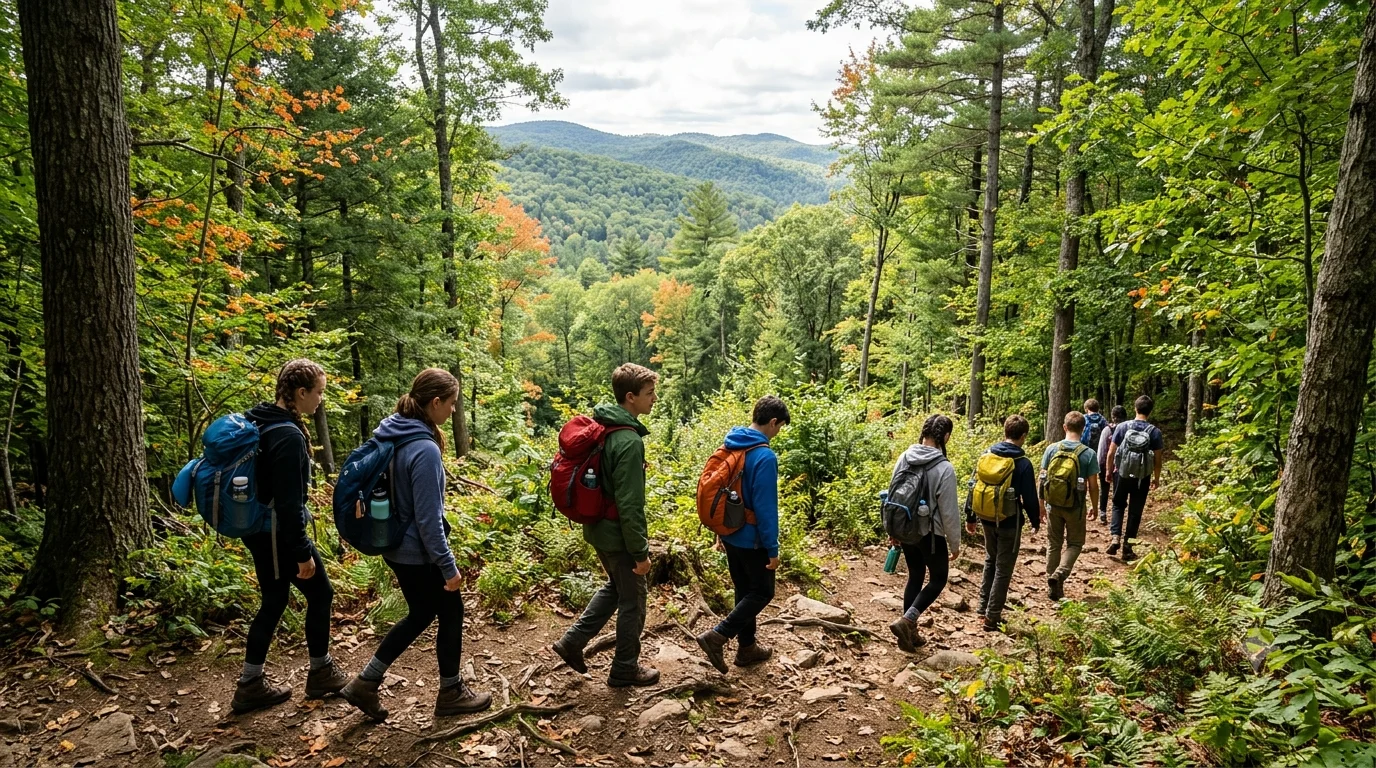
Inner City Outings was the original name for a Sierra Club programme that connects young people with limited access to nature to outdoor experiences such as hiking, camping and other guided trips. The programme is run almost entirely by volunteers, through local groups attached to Sierra Club chapters across the United States.
Its stated purpose is to build outdoor equity. In practice that means taking away the things that usually stand between a young person and a day outside, not knowing anyone who hikes, not owning any gear, not having a way to get there, and not being able to afford it even if transport were sorted.
Today the national programme reports around 45 volunteer run groups, more than 900 outings a year, and roughly 14,000 participants annually. Local groups partner with schools, youth organisations and community partners to plan trips that suit the young people they work with.
Why was Inner City Outings renamed?
The programme began in the San Francisco Bay Area in the early 1970s, with the first group formed in 1971 and formal recognition from the Sierra Club following in 1974. Volunteer outdoor leaders started taking young people from city neighbourhoods on hikes and backpacking trips, and the idea grew from there.
In 2014, the national programme changed its name from Inner City Outings to Inspiring Connections Outdoors. The reasoning was straightforward. The old name defined participants by where they lived, and the new one puts the focus on the outcome instead, connection with the outdoors and with other people.
The old name has not disappeared from search results or from casual conversation, and several local groups still note it in their own history, which is one reason this article uses it as the entry point before moving to the current terminology.
What does Inspiring Connections Outdoors actually do?
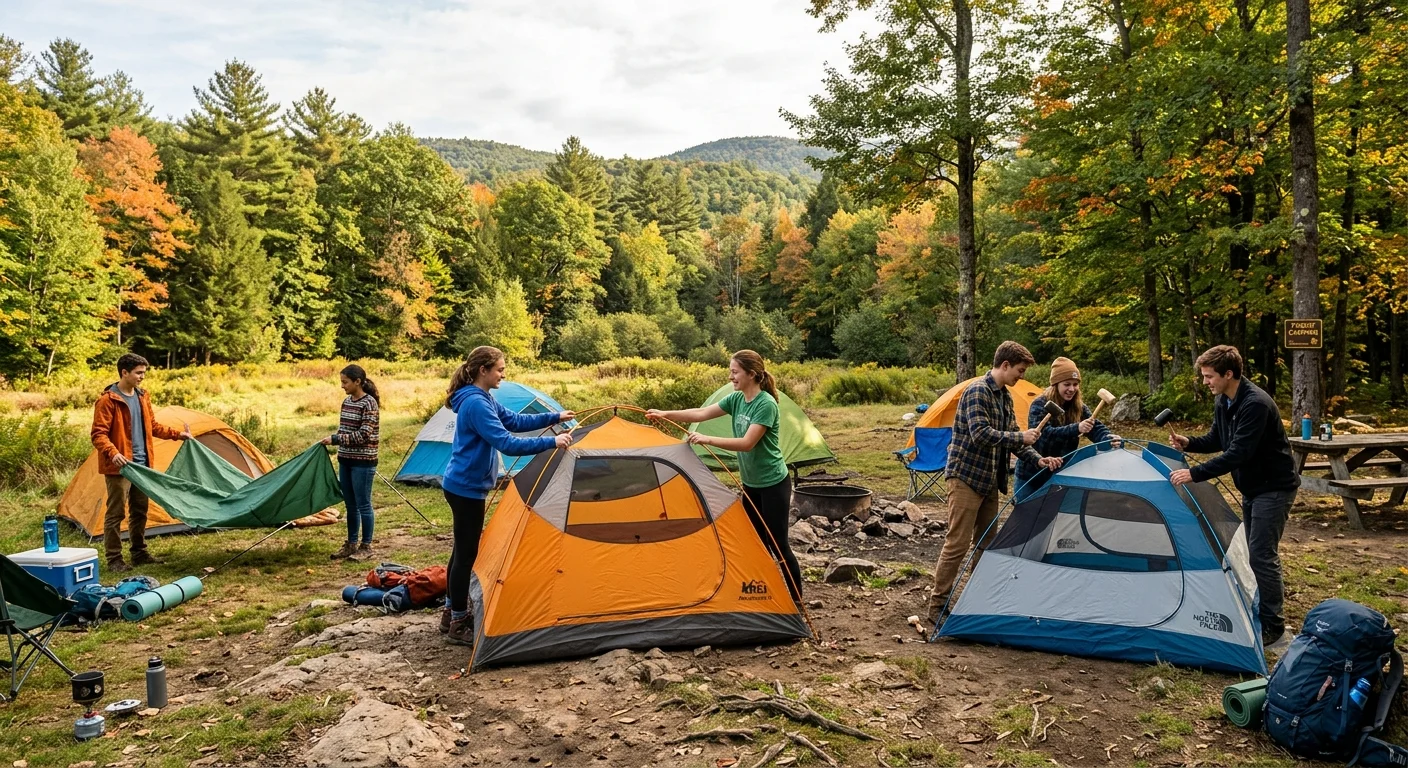
Every local ICO group is different, because each one is shaped by its own volunteers, its own city, and its own partner schools. That said, the pattern across groups is consistent.
Groups typically provide:
- Outdoor trips such as day hikes, camping, backpacking, canoeing or kayaking, cycling, and in some regions snowshoeing or rafting
- Equipment that participants would not otherwise have access to, from boots to tents
- Transport to and from trailheads or campsites
- Trained volunteer leaders who handle safety, logistics and group supervision
- Ongoing partnerships with schools and youth organisations rather than one off events
Not every group offers every activity on that list. A city group near mountains might run backpacking trips regularly, while a group somewhere flatter might focus on day hikes and camping. It is fair to describe the range of possible activities, but not accurate to claim that any single trip includes all of them, or that a specific activity is guaranteed everywhere.
How is the programme funded?
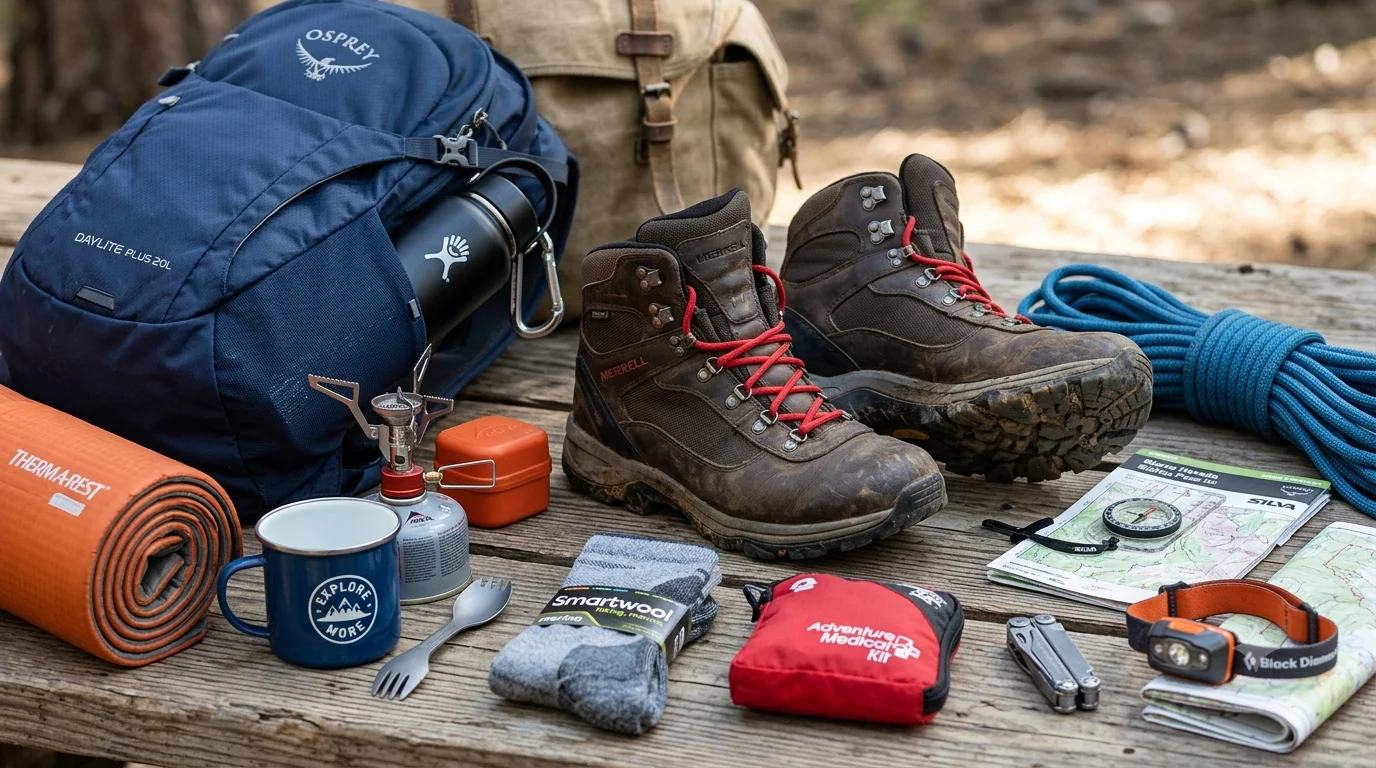
ICO groups are run by volunteers, but they still have running costs. Trips need fuel, permits, food, and equipment maintenance or replacement.
Funding generally comes from a mix of:
- Sierra Club membership and chapter support
- Direct donations to local ICO groups
- Grants from foundations, corporations or community partners
- In kind donations of gear
Several local groups state clearly that trips are provided at no cost to participating young people. That is worth stating plainly for readers, since cost is usually the first question a parent or teacher asks.
How to volunteer with Inner City Outings

Inner city outings volunteer is one of the more useful supporting terms for this topic, since most of the roles connected to actual trips are volunteer positions rather than paid ones.
Volunteers generally help with one or more of the following:
- Planning and leading trips
- Arranging transport and equipment
- Supervising participants
- Fundraising and building school or community partnerships
- Completing required safety and safeguarding training
Requirements vary by local group, but a typical path includes an orientation session, an application, a background check, and specific training for anyone leading trips, sometimes including first aid and supervised experience before leading independently. Anyone interested in volunteering should check with their nearest ICO group directly, since exact steps differ from city to city.
Are there paid Inner City Outings jobs?
Mostly no, at trip level. Local ICO groups describe themselves as entirely volunteer run, so the roles tied to actual outings, leading hikes, driving vans, supervising campsites, are typically unpaid.
Paid employment does exist within the wider Sierra Club organisation, advertised through its own careers page, but these roles sit outside the ICO volunteer structure rather than inside it. Anyone searching for paid work connected to this programme should treat volunteering as the entry point and check the national Sierra Club careers listings separately for any paid positions.
Is the Sierra Club a nonprofit?
Yes, though there are two related entities worth knowing about. The Sierra Club itself is a nonprofit organisation recognised under section 501(c)(4) of the US tax code, which covers advocacy organisations. A separate body, the Sierra Club Foundation, holds 501(c)(3) status, the classification usually associated with tax deductible charitable donations in the United States.
This distinction matters for anyone considering a donation, since deductibility depends on which entity receives the money. For readers outside the US, it is also worth noting plainly that these are American tax categories. They have no automatic bearing on how a donation would be treated for tax purposes in Britain or elsewhere.
Inspiring Connections Outdoors compared with general Sierra Club trips
People sometimes assume every Sierra Club outdoor trip is connected to youth outreach, or that ICO covers all of the organisation’s environmental work. Neither is accurate.
| Programme or activity | What it is mainly for |
|---|---|
| Inspiring Connections Outdoors (ICO) | Outdoor access for young people who would not otherwise get the chance |
| General Sierra Club chapter hikes | Community hikes and outings open to members generally |
| Sierra Club Outings and tours | Broader public trips, including longer domestic and international travel |
| Sierra Club advocacy and campaigns | Environmental policy, legal work and public campaigning |
ICO sits alongside these other strands rather than replacing or representing all of them. If a search brought you here looking for general hiking trips or for the Sierra Club’s environmental advocacy work specifically, those are separate programmes worth looking up on their own terms.
What can cities outside the United States learn from this model?
The barriers ICO was built to remove are not unique to American cities. A young person in Glasgow, Bradford or east London can face the same combination of problems: no nearby green space, no transport, no gear, and no one in their circle who already spends time outdoors.
The transferable part of the model is not the specific activities, it is the structure. Volunteer led groups, ongoing school partnerships rather than single events, trips that are genuinely free at the point of use, and a deliberate focus on removing cost and transport as barriers rather than assuming young people simply are not interested. Several UK charities and outdoor education trusts already work along similar lines, even without using the ICO name, and readers interested in local options are best served by searching for outdoor access charities in their own area or asking a school about existing partnerships.
Frequently asked questions
Is Inner City Outings still the correct name to use? No. The programme is now officially Sierra Club Inspiring Connections Outdoors, commonly written as ICO. The older name is still recognised and searched for, which is why it is useful to know, but it should not be used as the current official title.
Does Inner City Outings operate in the United Kingdom? No. ICO is a United States programme run through Sierra Club chapters. There is no confirmed UK branch, so readers in Britain looking for similar support should look for local outdoor access charities rather than assuming ICO operates here.
Are Inner City Outings trips free for participants? Several local groups state that trips are free to participating young people, funded through donations, grants and Sierra Club support. Exact funding and cost arrangements can vary by local group.
Can I volunteer without outdoor experience? Most groups welcome new volunteers and provide training, though anyone wanting to lead trips independently usually needs to complete additional safety and leadership training first.
Are there paid jobs with Inner City Outings? Roles tied directly to outings are almost always volunteer positions. Paid Sierra Club jobs exist but are advertised separately and are not part of the ICO volunteer structure.
Is the Sierra Club the same as the Sierra Club Foundation? No. The Sierra Club itself and the separate Sierra Club Foundation are different legal entities with different US tax classifications, which affects how donations to each are treated.